Fitness Tracker Customer Survey Launches: What Shoppers Should Know About Wearable Quality
Consumer survey on fitness trackers and smartwatches launches through November. Your real-world experience matters.
 By Katherine Perez
Updated November 2, 2026
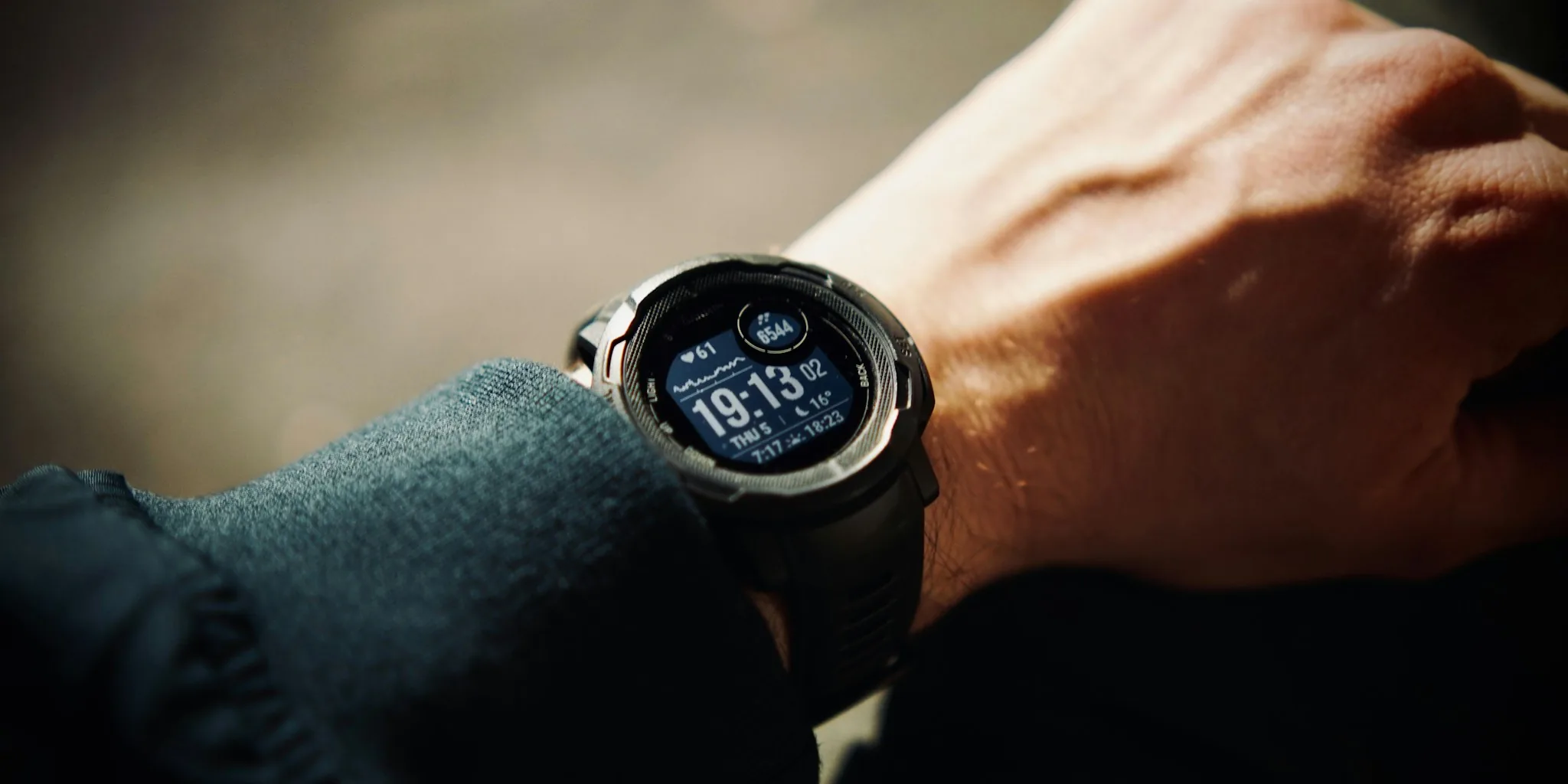
A major survey effort has opened the door for everyday wearable users to share their real-world experiences with fitness trackers, smartwatches, and smart glasses. This consumer feedback initiative runs through November and will directly influence which devices make it into curated product roundups that millions of shoppers consult before making a purchase decision.
Why This Survey Matters for Buyers
Retail specifications tell only part of the story. A fitness tracker may promise weeks of battery life or advanced heart rate monitoring, but what really counts is whether it holds up after months of daily wear, whether the data it collects actually matches real activity, and whether the companion app makes sense to use. That gap between marketing claims and everyday performance is exactly where consumer feedback becomes invaluable.
The survey asks users to evaluate their wearables across five critical dimensions: battery longevity, measurement accuracy, physical comfort during extended wear, app usability, and overall satisfaction with the device. These are precisely the factors that matter most when you are standing in front of a shelf or scrolling through options online, trying to decide if a fitness tracker is worth your money.
What Wearable Experience Really Looks Like
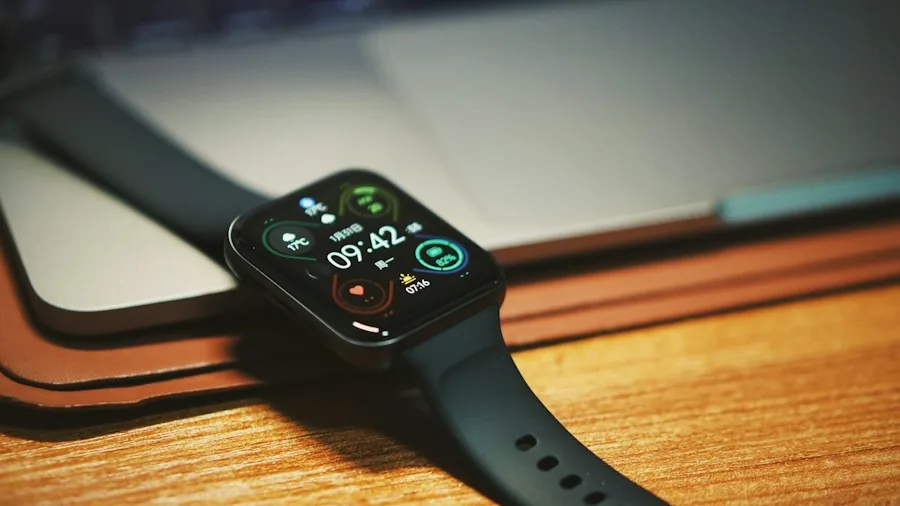
Early adopters and long-time wearable users have perspectives that no product review can capture in a lab setting. Someone who has worn the same device for years knows whether the strap material starts to degrade, whether the display remains bright and responsive, and whether software updates actually improve or degrade performance over time. Similarly, newcomers to wearable technology bring fresh insight into which devices feel intuitive out of the box and which require a steep learning curve.
This direct consumer input feeds directly into the editorial process, which means the roundups you find published after the survey closes will include devices that real owners actually endorse. That is fundamentally different from relying solely on manufacturer claims or theoretical performance benchmarks.
Key Features Consumers Evaluate
Battery performance consistently ranks among the top concerns for wearable shoppers. A device that promises 14 days of battery life but only delivers seven in real-world conditions becomes frustrating fast. Consumers participating in the survey provide concrete feedback on actual runtime, which helps other shoppers set realistic expectations.
Accuracy matters equally. A fitness tracker that miscounts steps by 20 percent or misreads heart rate during workouts undermines its core function. User surveys reveal which models maintain reliable measurements throughout the day and during exercise, and which models drift over time.
Comfort during extended daily wear is another critical factor that only long-term users can genuinely assess. A device that feels fine in a store may cause skin irritation after eight hours of continuous wearing, or the band may slip and shift during workouts. Everyday wearers can describe these real-world challenges in detail.
App experience shapes how much value you actually extract from your wearable. A confusing interface or poor data visualization makes it harder to understand your health insights. User feedback reveals which companion apps streamline your experience and which ones create unnecessary friction. When evaluating fitness trackers under $100, app quality often determines whether a budget device delivers true value or just spec sheet numbers.
How This Shapes Future Product Recommendations

The survey results do not simply disappear into a database. They directly inform which devices make it into the top-rated roundups that shoppers browse when they need guidance. Devices that consistently receive high marks across multiple categories gain prominence, while products with recurring complaints get scrutinized more carefully before earning a recommendation spot.
This approach also keeps pressure on manufacturers. When consumer feedback reveals systematic problems, those concerns become part of the public discussion around the product, influencing purchasing behavior and pushing companies to address issues in future generations.
Who Should Participate
Whether you own a wearable or are considering your first purchase, current user experiences matter. Even if you have been wearing the same smartwatch for three years or just got your first fitness tracker for kids, your perspective contributes to a more complete picture of the wearable market. The survey takes roughly two minutes to complete, and responses submitted before the November deadline directly influence which devices get recommended to future shoppers.
The transparency this approach brings to the wearable market ultimately benefits consumers by creating an incentive system where customer satisfaction and honest performance matter more than marketing budgets. If you use a wearable device daily, sharing your experience helps ensure that recommendations are grounded in reality rather than just sales projections.
About the author
Katherine covers fitness and activity trackers for REMOVU, focusing on sensor accuracy, battery life, and useful daily insights. She helps readers track steps, sleep, and workouts without the bulk of a full smartwatch.