FCC Bans Foreign Wi-Fi Routers: What Buyers Should Know
New FCC ban reshapes the wi-fi router market. Learn what changed and how it affects your options.
 By Armando Washington
Updated November 6, 2026
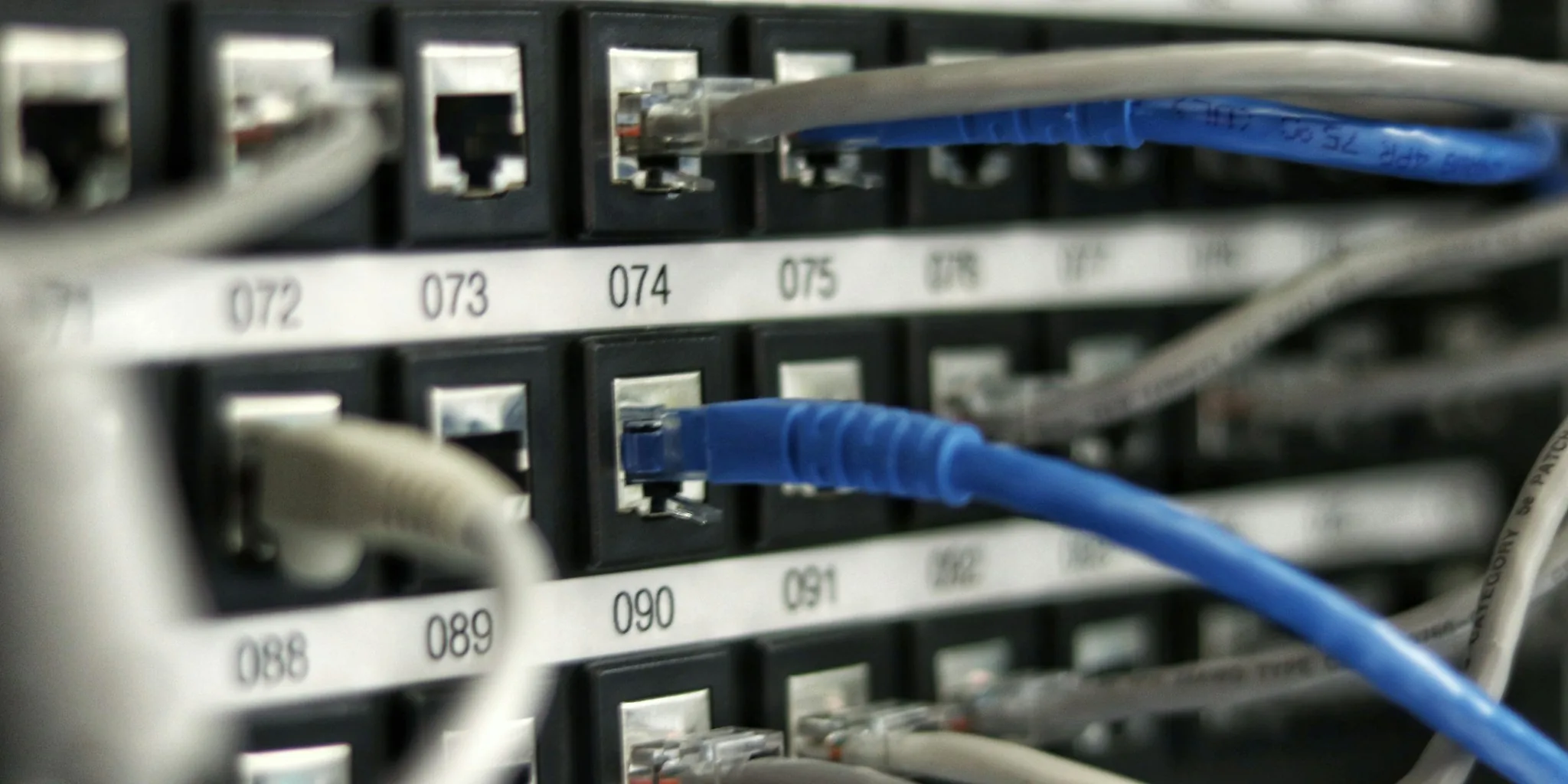
In a significant regulatory shift, the Federal Communications Commission announced in March 2026 that it would prohibit new foreign-manufactured consumer wi-fi routers from entering the United States market. This decision marks a major turning point in how the agency approaches device security and consumer privacy, and it carries real implications for anyone shopping for networking equipment or considering alternative router solutions.
Why the FCC Took Action
The agency’s reasoning centers on two interconnected concerns: protecting consumer privacy and strengthening network security. As more households fill with connected devices, from smartphones and wearable fitness trackers to security cameras and smart home systems, the wi-fi router has become the central hub handling vast amounts of personal data. These devices transmit signals across considerable distances and manage traffic for everything a household does online.
The FCC recognized that consumers often have minimal control over the hardware managing their most sensitive information. Many people feel locked into whatever limited settings their internet service provider offers, with little transparency into how their data flows through the network. This regulatory action reflects growing concern that imported consumer routers may not meet adequate security standards or could pose risks to national infrastructure.
What This Means for Shoppers Today

For consumers in the market for wi-fi routers, the ban effectively narrows the available options. Domestically manufactured routers and approved alternatives will dominate the market. If you’re currently using an imported router, the ban does not retroactively affect devices already in homes. However, as replacements become necessary, your choices will increasingly point toward domestically produced equipment that meets FCC standards.
Those seeking alternatives to standard routers should know that building a custom wi-fi router at home remains perfectly legal in the United States for personal use. This opens an interesting path for privacy-conscious consumers or those frustrated with standard offerings. A homebrew router setup typically involves repurposing hardware like a Raspberry Pi or compact PC and installing open-source router software such as OpenWrt or RaspAP.
The Legal Framework for DIY Routers
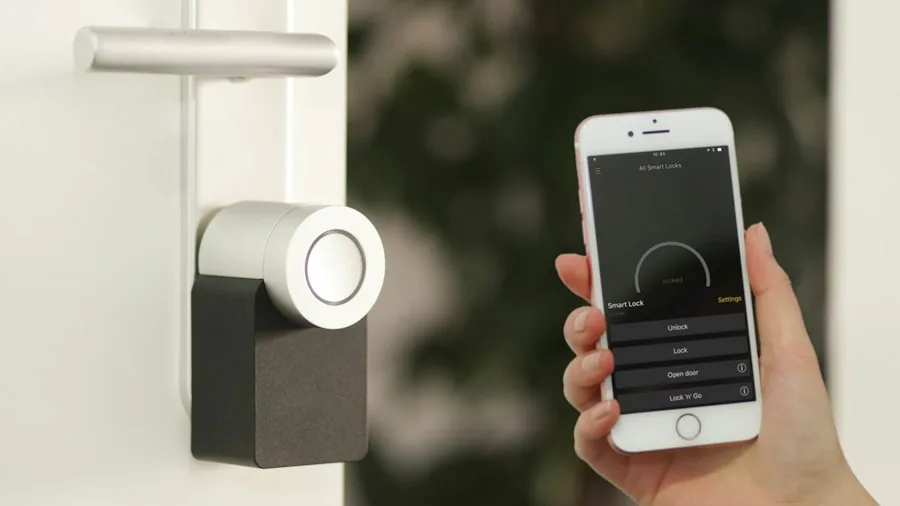
Understanding the rules around homemade routers is essential if you’re considering this route. The FCC permits individuals to build wi-fi routers for personal use without licenses or pre-approval. The boundaries exist because wi-fi operates on radio frequencies that can transmit across wide areas and potentially interfere with licensed communications.
Anyone building a custom router must adhere to specific technical limits. Your equipment must operate only on the unlicensed wi-fi frequency bands: 2.4 GHz, 5 GHz, or 6 GHz. For the 5 GHz band, dynamic frequency selection must be enabled on designated channels. The FCC caps the transmit power between 1 and 4 watts depending on which frequency band you use. Exceeding these power limits or causing interference with licensed communications like aviation frequencies can result in the FCC ordering you to shut down your setup.
Equally important is understanding that your router cannot be used to access someone else’s private network without authorization. Doing so violates the Computer Fraud and Abuse Act and carries serious legal consequences beyond FCC regulations.
Shopping Considerations Going Forward
The ban reshapes the wi-fi router market in ways that consumers should understand when making purchases. Looking for an affordable option? wi-fi routers under $100 will increasingly consist of domestic manufacturers meeting new compliance standards. Mid-range shoppers will find wi-fi routers under $200 with more robust features, all sourced domestically or through approved channels.
For those evaluating options, focusing on routers with clear FCC certification and domestic manufacturing becomes a smart strategy. These devices now represent the regulatory-approved path forward, and manufacturers competing in this space are responding with improved security features and better user controls. The shift also means increased investment in domestic router production and potentially more competition among American and approved manufacturers.
The combination of the FCC ban and the legal allowance for personal DIY routers creates an interesting market dynamic. Traditional consumers will find themselves buying from a narrower, more regulated pool of manufacturers. Privacy enthusiasts and technical users gain confidence that building custom solutions remains an option. The key for any shopper is recognizing that today’s wi-fi router purchase landscape reflects genuine regulatory concern about security and privacy, leading to more standardized, inspected options at retail.
About the author
Armando covers Wi-Fi routers for REMOVU, balancing speed, range, and features for homes of every size. He helps readers match a router to their space and their devices.