DJI Action 6 Camera Reaches Space on Chinese Reusable Rocket: What This Means for Buyers
Consumer action camera proves it can survive space travel and re-entry. Here is what the mission reveals about durability.
 By Veronica Sanchez
Updated August 28, 2026
By Veronica Sanchez
Updated August 28, 2026
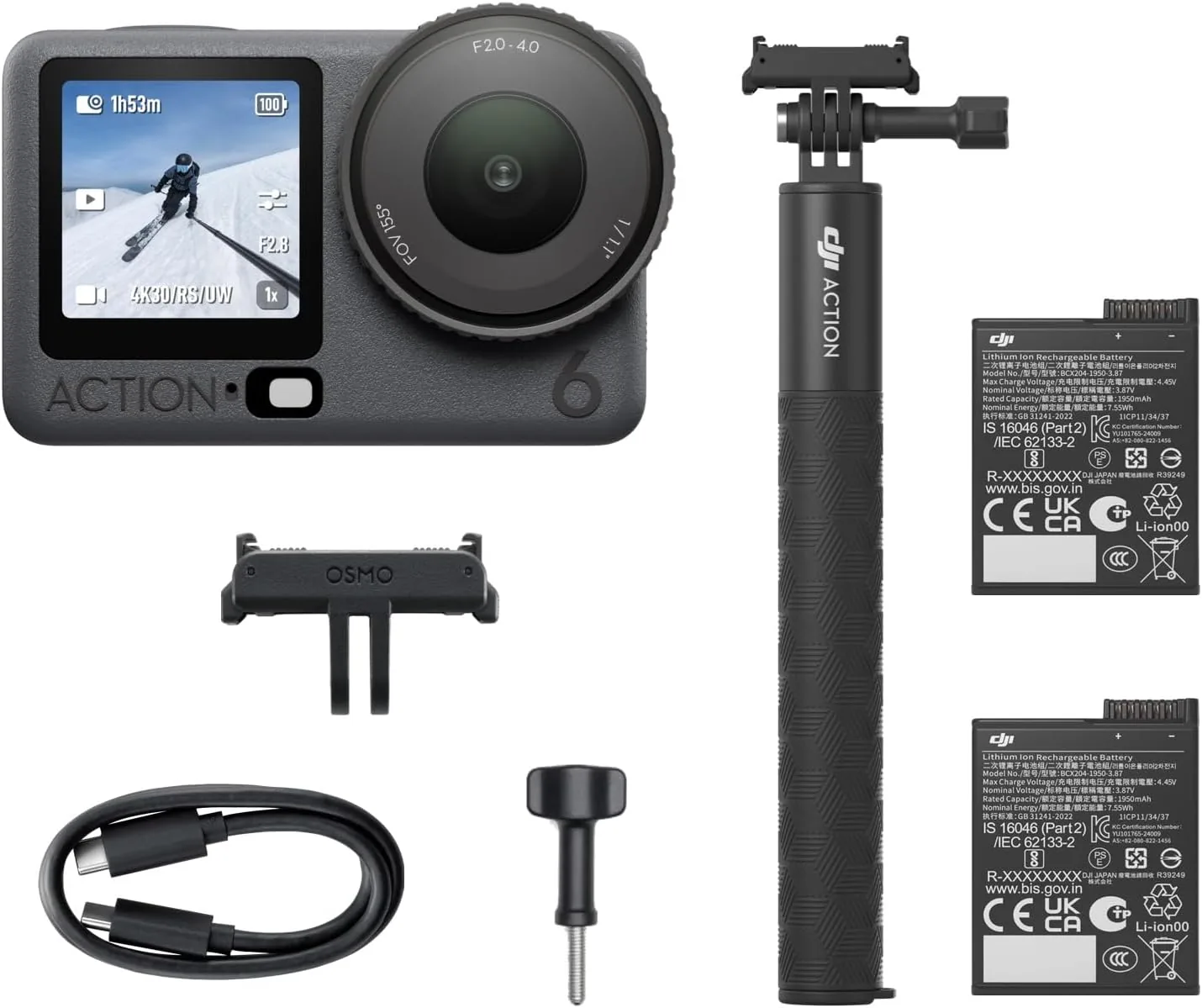
In a historic moment for consumer-grade action cameras, DJI’s Osmo Action 6 has successfully traveled to space and returned to Earth aboard China’s Zhuque-3 reusable rocket. The August 19 launch marked the first successful test flight of the Landspace rocket, a vehicle designed to compete with SpaceX’s Falcon 9 by providing reliable, reusable access to low-Earth orbit. Twelve DJI cameras, including the upcoming Osmo 360 II, documented the entire journey.
What makes this achievement significant for shoppers is straightforward: the Osmo Action 6 proved it can withstand extreme conditions that would destroy most consumer electronics. The camera endured temperatures reaching 932 degrees Fahrenheit during re-entry, survived intense vibration during launch, and recorded uninterrupted 4K video throughout the nine-minute flight. After landing, the camera showed no physical damage and required no modifications. This real-world demonstration of durability goes beyond what any manufacturer’s specification sheet can promise.
Extreme Performance in the Real World
The cameras were not simply attached to the rocket with standard mounts. Engineers designed custom housings capable of withstanding the high-frequency vibrations and extreme heat of spaceflight. Inside these specialized mounts, the Osmo Action 6 relied on its standard image stabilization algorithm to deliver smooth footage even during the most violent phases of the flight, including the rocket’s landing sequence. This performance matters to consumers because it suggests the camera’s stabilization technology remains reliable under conditions far more demanding than any earthbound adventure.
The footage captured by the Osmo Action 6 included critical details that engineers need to evaluate the rocket’s performance, such as the flight control paddles. The camera’s 1/1.1-inch sensor proved capable of capturing fine details at high altitude and extreme temperatures. For shoppers considering the best action cameras for every adventure, this demonstrates that the Osmo Action 6 delivers professional-grade image quality despite its consumer positioning.
What This Launch Reveals About Action Camera Technology
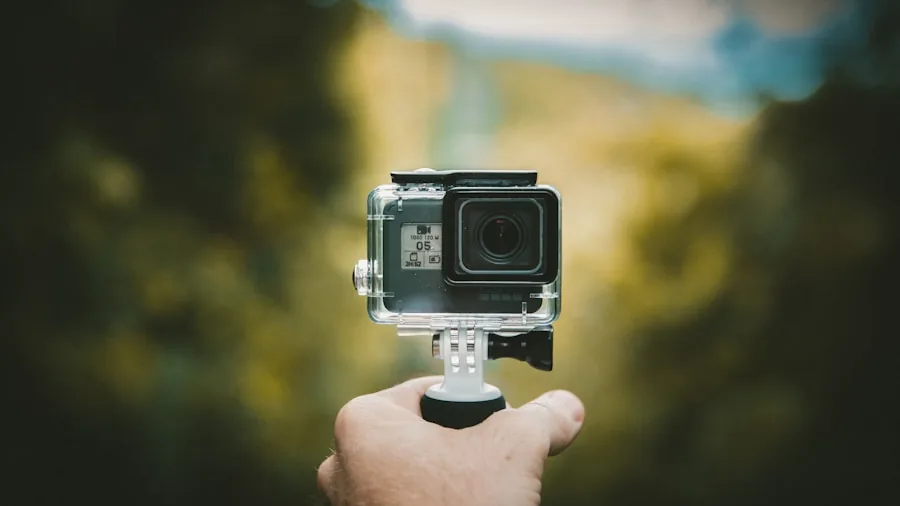
The space mission included multiple DJI devices working together: the Osmo Action 6 for primary footage, the unreleased Osmo 360 II for immersive perspectives, the Mavic 4 Pro drone for aerial coverage, and the DJI Matrice 4TD for thermal imaging. The variety of equipment shows how modern action cameras have evolved beyond single-purpose devices. Consumers now have access to camera systems that can capture footage from multiple angles and perspectives simultaneously, creating richer documentation of their experiences.
The thermal imaging captured by the Matrice 4TD during the rocket’s lower-stage landing demonstrates another evolution in consumer camera technology. Five years ago, thermal capabilities were limited to specialized industrial equipment. Today, they are integrated into consumer camera systems. This progression suggests that action cameras will continue incorporating advanced features previously reserved for professional use.
Market Implications for Action Camera Shoppers
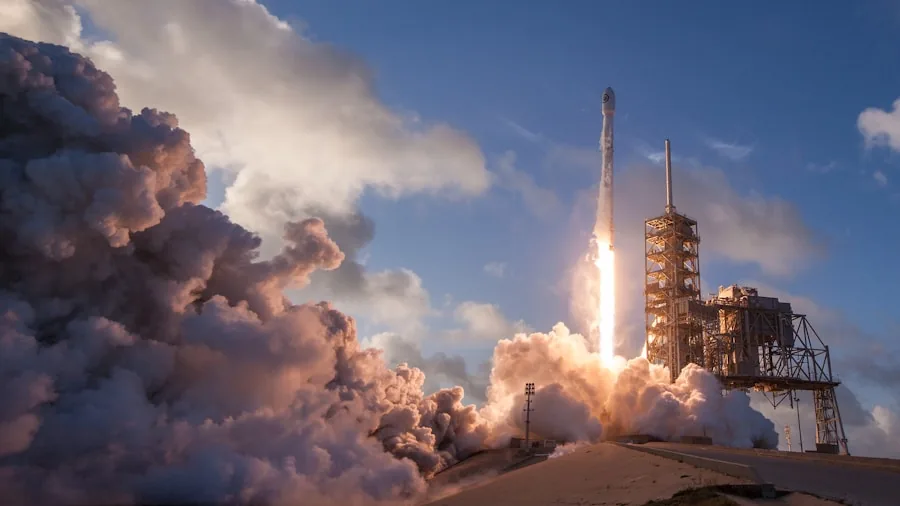
The Zhuque-3 rocket represents China’s effort to develop reusable space launch capabilities that rival American competitors. Similarly, the involvement of consumer-grade cameras in this mission reflects a broader trend toward making advanced technology accessible and affordable. DJI’s decision to use mass-produced cameras rather than custom aerospace equipment demonstrates confidence in their manufacturing standards and design philosophy.
For shoppers currently evaluating action cameras, this mission offers valuable insight: devices rated for extreme environments like underwater diving, high-altitude mountaineering, and high-speed motorsports should theoretically perform reliably in everyday situations. When a camera survives the vacuum of space and re-entry heat without damage, its durability for vacation footage, sports activities, and adventure documentation becomes virtually guaranteed.
The successful landing of the Zhuque-3 rocket also means more satellite launches are coming, which creates demand for documentation equipment. As space becomes more commercialized, the role of cameras like the Osmo Action 6 in capturing and analyzing these missions will likely grow. This expanded use case validates the technology’s robustness and positions these cameras as tools for documenting humanity’s expansion into new frontiers.
Buyers shopping for action cameras under specific budgets should recognize that the core technology proving itself in space is the same technology available in today’s consumer models. The Osmo Action 6’s performance in extreme conditions provides strong evidence that investing in quality action camera equipment delivers long-term reliability and consistent output across varied scenarios.
Looking Forward
The Zhuque-3 team plans to attempt another launch within six months as they work to establish regular operations. Each mission will likely include documentation cameras, creating ongoing opportunities to evaluate how consumer action cameras perform in aerospace applications. For consumers, this means access to increasingly reliable performance data gathered from real-world extreme-condition scenarios rather than controlled laboratory environments.
About the author
Veronica is REMOVU's action camera writer, comparing stabilization, low-light footage, and rugged, waterproof builds across the latest releases. She focuses on which cameras truly hold up on the trail, underwater, and mounted to a helmet.