The 12 Best Polaroid Cameras
Instant cameras are back, and the options span from simple point-and-shoots to app-connected creative tools. Here are the picks worth buying in 2026.
 By Michelle Mendoza
Updated July 26, 2026
By Michelle Mendoza
Updated July 26, 2026
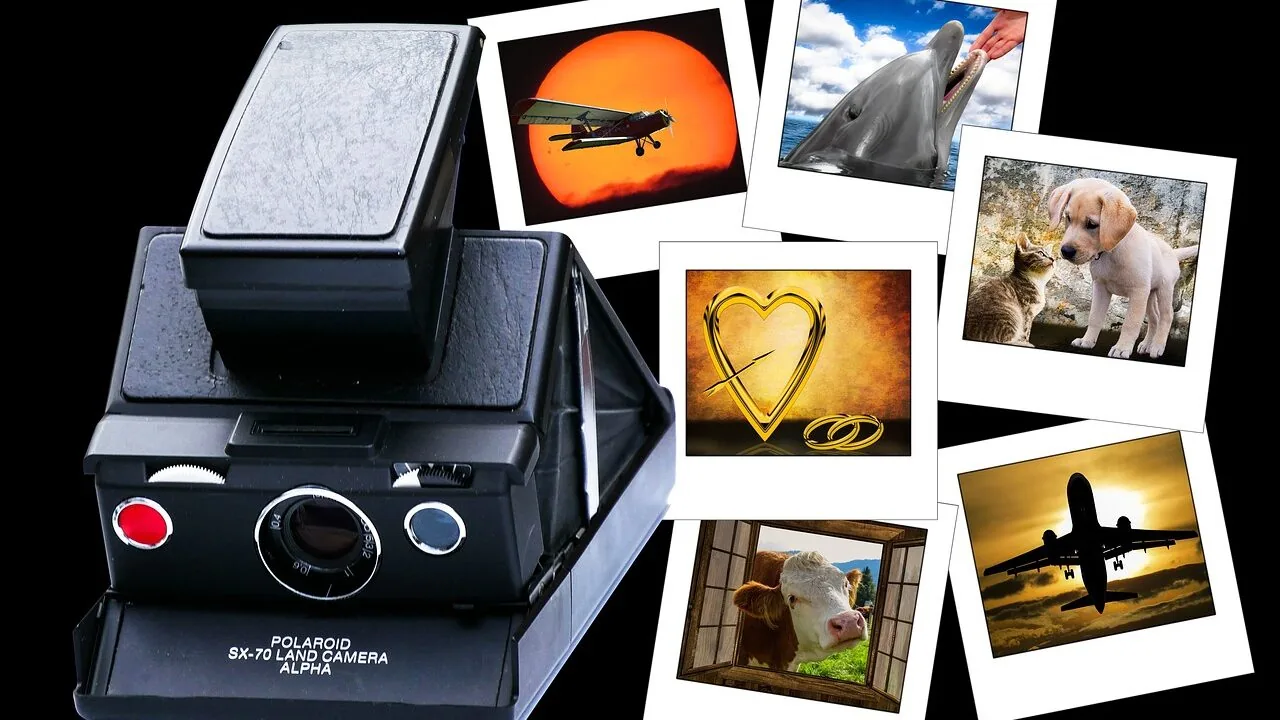
Instant cameras have made a genuine comeback, and it is easy to see why.
There is something uniquely satisfying about holding a physical print seconds after you press the shutter, whether you are at a birthday party, a weekend hike, or just hanging out with friends.
The category today spans everything from beginner-friendly point-and-shoots to Bluetooth-connected creative tools, with options from Polaroid and Fujifilm competing for every budget and use case.
This guide covers the best polaroid cameras and instant cameras available right now, built on REMOVU’s research-based approach: we analyze published specifications, synthesize expert review consensus, and weigh verified buyer feedback to surface the picks most worth your money.
Whether you want a no-fuss everyday shooter or a feature-rich model with app controls, the ranked list below gives you a clear starting point.

Polaroid Now+ 3rd Gen Instant Camera with Bluetooth App Control
This third-generation Polaroid Now+ bridges analog charm with modern smartphone connectivity. The Bluetooth app unlocks manual mode, aperture priority, and remote shooting, while a dual-lens autofocus system and USB-C rechargeable battery keep the experience practical for everyday use. Best suited for enthusiasts who want creative control without sacrificing the instant film aesthetic.
Pros
- Bluetooth app integration adds manual mode, aperture priority, and remote controls without cluttering the physical camera
- Dual-lens autofocus system ensures sharper focus across different shooting distances
- USB-C rechargeable battery eliminates disposable batteries and lasts 15+ film packs per charge
- Compatible with both i-Type and 600 film formats, offering flexibility in film choice
- Iconic Polaroid design made with more sustainable materials
Cons
- Requires smartphone and Bluetooth connection to access advanced shooting modes, adding friction for purists
- Film costs remain high, making frequent shooting expensive compared to digital alternatives
- No built-in flash specifications mentioned, which may limit low-light performance

Polaroid Now 3rd Gen Instant Camera
The latest Polaroid Now brings sharper autofocus and a redesigned light meter to the classic instant film formula. Its dual-lens system handles focus automatically, while USB-C charging and creative modes like double-exposure appeal to analog enthusiasts who want convenience without sacrificing that iconic Polaroid aesthetic.
Pros
- Dual-lens autofocus system eliminates manual focus adjustments
- USB-C rechargeable battery lasts 15+ film packs, cutting down on disposables
- Double-exposure and self-timer modes expand creative possibilities
- Compatible with both i-Type and 600 film formats for flexibility
- Improved light meter positioning and ranging sensor for better exposure in bright conditions
Cons
- Instant film remains expensive, with ongoing per-shot costs adding up quickly
- 4.2-star rating suggests some users encounter autofocus or exposure inconsistencies
- Requires purchasing Polaroid i-Type or 600 film separately, making total cost of entry higher

Fujifilm Instax Mini 12 Instant Camera
A playful instant camera built for selfies and casual snapshots, with a simple twist-to-operate design that requires minimal setup. The built-in mirror and close-up mode excel at self-portraits, while automatic exposure handles most lighting situations without manual tweaking. Best suited for casual users who want tangible prints and don't mind the ongoing cost of instant film.
Pros
- Intuitive twist-lens controls make operation nearly effortless, even for first-time instant camera users
- Dedicated selfie mirror and close-up mode with parallax correction deliver accurate framing for self-portraits
- Automatic exposure and flash control eliminate the need to adjust settings for most everyday shots
- Compact, playful design available in five appealing colors
- Prints develop in about five seconds with high-quality 2x3 inch INSTAX MINI photos
Cons
- Requires separate purchase of INSTAX MINI instant film, which adds ongoing consumable costs
- Limited creative control due to fully automatic operation, no manual exposure or flash adjustment options
- Photo quality and color accuracy depend heavily on lighting conditions and film stock used

Polaroid Now 2nd Generation i-Type Instant Camera Bundle
A point-and-shoot instant camera that combines retro appeal with modern convenience. The Generation 2 model adds USB-C charging, dual lens autofocus, and creative features like double exposure and self-timer, making it accessible for casual photographers who want physical prints without complexity. Comes with 16 photos included, so you can start shooting immediately.
Pros
- USB-C rechargeable battery eliminates reliance on disposable batteries
- Dual lens autofocus system and accurate flash produce sharp, well-exposed photos across distances
- Double exposure and self-timer modes unlock creative possibilities beyond basic snapshots
- 40% recycled materials reflect sustainability commitment
- Compatible with both i-Type and 600 film formats for flexibility
Cons
- Film cost adds up quickly since each shot requires a separate print (sold separately after bundle)
- Limited manual controls mean less room for creative adjustment if you outgrow automatic settings
- Instant film results are unpredictable compared to digital, which some users find frustrating rather than charming

Polaroid Now Gen 3 Instant Camera with Film Bundle
The Polaroid Now 3rd Generation brings tangible upgrades to the classic instant camera formula, with an improved autofocus system and better light metering for sharper results across varied lighting. This bundle includes eight color film shots and a rechargeable battery, making it a straightforward option for analog photography enthusiasts who want creative modes like self-timer and double exposure without complexity.
Pros
- Upgraded two-lens autofocus system and improved light meter for sharper, more consistent photos
- Dual creative modes: self-timer for group shots and double-exposure for layered imagery
- Includes 8-pack of i-Type Color Film and rechargeable battery in the bundle
- Built-in tripod mount for stable shooting and hands-free setup
- Made with 40% recycled materials and compatible with both i-Type and 600 film
Cons
- No detailed user reviews available to assess real-world performance and reliability
- Limited to instant film format, which carries ongoing per-shot costs
- Autofocus improvements may not fully eliminate focus issues in very low light or extreme distances

Fujifilm Instax Mini 12 Lilac Bundle with Film & Case
Fujifilm's updated instant camera simplifies selfie shooting with auto exposure and a dedicated selfie mode featuring a built-in mirror for framing. This bundle pairs the camera with 40 sheets of film, a vegan leather case, and a photo album, making it a complete starter set for casual instant photography.
Pros
- Auto exposure eliminates manual dial adjustments for different lighting conditions
- Dedicated selfie mode with 11.8-19.7 inch focusing range and front mirror for self-portraits
- Comprehensive bundle includes film, protective case, photo album, and camera strap
- Compact and stylish design in Lilac Purple finish
- High user satisfaction with 4.7-star rating from nearly 2,000 reviews
Cons
- Limited creative control due to automatic exposure only, no manual adjustments available
- Instant film is an ongoing consumable expense beyond initial bundle
- Credit card-sized prints may be too small for some users seeking larger instant photos

Fujifilm Instax Mini 12 Instant Camera Bundle with Film
An entry-level instant camera that prints credit-card-sized photos in seconds, designed for casual users and kids. The bundle includes 60 sheets of film, a carrying case, and a 64-photo album, making it a complete starter package. Best suited for parties, travel, and anyone wanting tactile, shareable prints without smartphone dependency.
Pros
- Instant prints develop in seconds with vibrant, smudge-free results
- Simple operation with automatic exposure and minimal controls
- Complete bundle includes film, protective case, and photo album
- Lightweight and portable for travel or everyday use
- High customer satisfaction rating (4.6 stars from 1,401 reviews)
Cons
- Film is consumable and ongoing costs add up quickly with regular use
- Photo size is small (2x3 inches), limiting display options
- Fixed focus and basic lens design mean creative control is limited compared to digital cameras

Fujifilm Instax Mini EVO Hybrid Instant Camera
This hybrid instant camera blends analog charm with digital flexibility, letting you shoot with 100 creative combinations of lens and film effects before printing 2x3 photos at 600 DPI. The smartphone app extends functionality by turning your phone into a remote shutter and print gallery, making it ideal for social media-savvy photographers who want tangible prints alongside digital copies.
Pros
- 100 creative combinations from 10 lens and 10 film effects provide genuine variety for experimentation
- Dual functionality as both instant camera and smartphone printer via free app and Bluetooth connectivity
- High-resolution 600 DPI prints with choice between Rich and Natural color modes for different aesthetics
- Built-in selfie mirror and dual shutter buttons (portrait/landscape) enhance usability for different shooting angles
- Ability to save printed images digitally and store photos on microSD card for backup and sharing
Cons
- Requires ongoing purchase of INSTAX MINI instant film, which adds recurring costs beyond the camera itself
- Smartphone app dependency means some features require downloading software and maintaining Bluetooth connection
- Limited print size at 2x3 inches may feel restrictive for those wanting larger physical prints

Fujifilm Instax Mini 41 Instant Camera Bundle
This all-in-one bundle pairs Fujifilm's retro-styled Mini 41 camera with film, a protective case, and storage album. Smart exposure control handles varied lighting automatically, while built-in selfie mirror and close-up mode cover casual shooting needs. Best for anyone wanting instant prints without figuring out separate accessories.
Pros
- Complete starter package eliminates need for separate purchases (camera, 40-sheet film supply, case, album)
- Auto exposure and flash adapt to different lighting conditions for consistent results
- Dedicated selfie mirror and close-up mode simplify framing for self-portraits and detail shots
- Retro design appeals to both nostalgia seekers and modern aesthetic preferences
- Optical viewfinder provides direct framing without battery drain
Cons
- No user reviews available to assess real-world performance and durability
- Film cost adds up over time, as Instax Mini film requires ongoing purchases for continued use
- Limited to Instax Mini film format, restricting flexibility if larger or different photo sizes are desired later

Polaroid Now i-Type Instant Camera (Renewed)
A factory-refurbished instant camera that combines analog simplicity with modern convenience through its dual-lens autofocus system and digital film counter. Ideal for casual photographers who want vibrant, tactile prints without smartphone dependence, though film costs and limited creative control may deter serious enthusiasts.
Pros
- Dual-lens autofocus system delivers sharper portraits and wider shots with minimal effort
- Digital photo counter display shows remaining film and battery status at a glance
- Improved flash system balances exposure more naturally than older Polaroid models
- Compatible with both i-Type and 600 film formats for flexibility
- Double exposure and self-timer functions add creative options for a point-and-shoot camera
- Factory refurbished condition offers significant savings over new retail pricing
Cons
- Instant film is expensive and consumable, making each shot costly compared to digital alternatives
- Autofocus system, while improved, still cannot match the precision of dedicated cameras or smartphones
- Limited manual controls may frustrate users seeking deeper creative input over exposure and focus

Polaroid 600 Square One Step Instant Camera
A refurbished 80s-style instant camera that delivers straightforward point-and-shoot simplicity for anyone exploring film photography. The automatic flash, exposure slider, and light shield make it accessible to beginners, though its fixed-focus lens and reliance on proprietary Impossible 600 film limit creative control and ongoing costs.
Pros
- Simple point-and-shoot operation with no learning curve
- Built-in automatic flash and exposure adjustment slider for basic creative control
- Impossible film shield protects prints during ejection
- Hand-refurbished with one-year warranty for reliability assurance
- Iconic retro design appeals to vintage photography enthusiasts
Cons
- Fixed-focus lens restricts composition flexibility and close-up capability
- Requires expensive proprietary Impossible 600-type film, limiting affordability over time
- Hand-refurbished units may show cosmetic wear; no indication of photo quality consistency
- No manual focus or advanced controls for experienced photographers

Polaroid 635 CL Instant Camera
A compact point-and-shoot from the 1980s that delivers instant physical prints in minutes. Built-in electronic flash handles varied lighting, while the fixed-focus design keeps operation simple for casual users who value tangible memories over digital files.
Pros
- Built-in electronic flash ensures proper exposure across different lighting conditions
- Automatic photo ejection and rapid development within minutes
- Simple fixed-focus system and basic viewfinder make it straightforward to frame shots
- Compatible with both color and black-and-white Polaroid 600 film
- Compact, portable design ideal for events and travel
Cons
- Fixed focusing means no manual focus control, limiting flexibility for specific shot types
- Ongoing film costs add up since each shot requires consumable instant film
- No specification details provided on battery type, flash range, or lens focal length
Polaroid Cameras Buying Guide
Picking the right instant camera comes down to more than just brand loyalty. The differences between models, across film format, autofocus system, creative controls, and ongoing film cost, can meaningfully affect how much you enjoy the camera day to day.
Use the criteria below to match a camera to how you actually shoot.
Film Format and Print Size
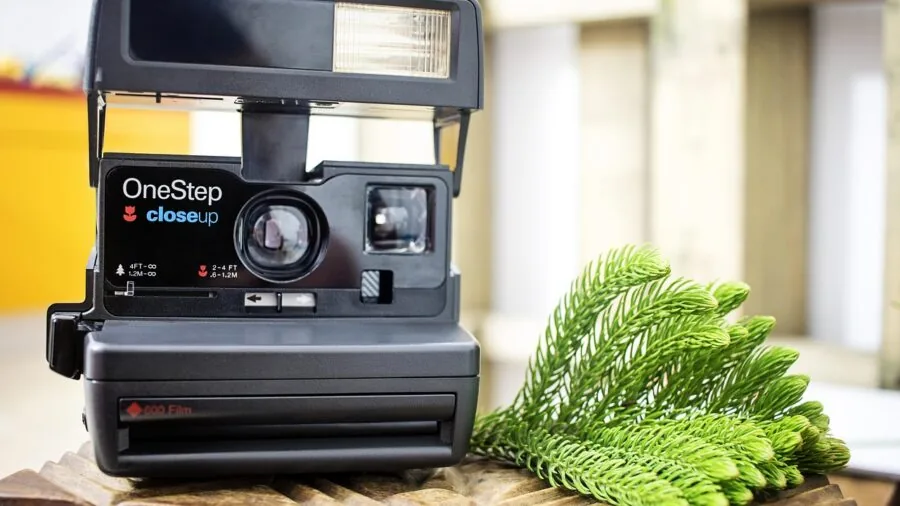
The two dominant ecosystems in this category are Polaroid’s i-Type and 600 format (producing a classic square print with a white border) and Fujifilm’s Instax Mini format (a smaller credit-card-sized print).
Each format locks you into its own film ecosystem, so the choice has a real impact on ongoing costs and the look of your prints.
Polaroid prints carry that unmistakable retro aesthetic and slightly larger image area, making them popular for decorating walls or gifting.
Instax Mini prints are more portable and easier to slip into wallets or scrapbooks, and Fujifilm’s film tends to be slightly more widely available in retail stores.
If you are already invested in one ecosystem, compatibility with your existing film stock is worth factoring in before you buy a new body.
There is also a middle ground worth noting: the cameras and photo category has expanded significantly, and some buyers who want more versatility alongside instant shooting also explore compact cameras for digital backup alongside their instant camera.
Autofocus and Lens System
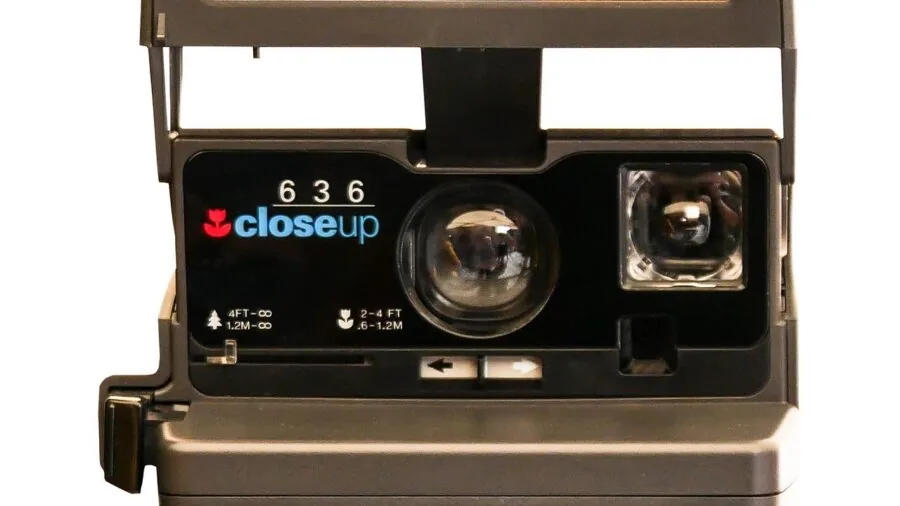
Autofocus quality is one of the most practically important specs on an instant camera, because a blurry print is a wasted print.
Entry-level models often use fixed-focus lenses, which work well in good light at typical portrait distances but can struggle with subjects that are very close or in low light.
Dual-lens autofocus systems, like the one on the Polaroid Now 2nd and 3rd generation models, actively calculate subject distance and select the right lens, improving sharpness across a wider range of conditions.
The Fujifilm Instax Mini EVO takes a different approach with a hybrid design, pairing a digital sensor with a physical print mechanism and giving you more control over how images are processed before printing.
If sharp, reliable prints matter most to you, prioritize models with active autofocus over fixed-focus options.
Creative Controls and App Connectivity
Most entry-level instant cameras offer very little manual control, which keeps them simple and approachable. But if you enjoy experimenting, features like double exposure, self-timer, and manual light compensation open up a lot of creative possibilities without requiring any technical expertise.
Bluetooth app connectivity, as found on the Polaroid Now+ line, goes further by letting you control shutter speed, aperture, and apply lens filters directly from your smartphone. This bridges the gap between analog charm and digital flexibility.
For photographers who want that level of control, the app-connected tier is worth the price premium. Buyers who just want to point and shoot at parties will find the added complexity unnecessary.
If you are shopping for a child or a first-time user, simpler models with automatic exposure are a much better fit. Our guide to instant cameras for kids covers options tailored specifically to younger shooters.
Battery Life and Charging
Older Polaroid models, including the classic 600 series and some vintage Supercolor units, relied on the battery built into each film pack, which meant the camera died when your film ran out.
Modern models have moved to rechargeable internal batteries, and the shift to USB-C charging on the Polaroid Now 2nd and 3rd generation cameras is a genuine quality-of-life improvement over older proprietary connectors.
Battery life varies considerably between models. Heavy users shooting full packs in a single session will notice the difference between a camera that can handle one pack per charge versus one that can manage two or more.
Check battery capacity specifications if you plan to use the camera at events or on trips where charging may not be convenient.
Build Quality, Portability, and Design

Instant cameras are social objects as much as they are functional tools, and design matters.
Fujifilm’s Instax Mini 12 is one of the most approachable and compact options in the category, with a rounded, almost toy-like aesthetic that appeals to casual users.
The Polaroid Now series leans into a more deliberate retro design, echoing classic Polaroid bodies from the 1970s and 1980s.
If you plan to carry the camera in a bag daily or bring it to outdoor events, weight and footprint matter. The Instax Mini 12 is noticeably lighter and more pocketable than full-size Polaroid Now bodies.
Bundles that include a carrying case, as many of the listings in this roundup do, add practical value by protecting the camera and keeping film packs organised.
Film Cost and Long-Term Value

The upfront camera price is only part of the equation. Instant film is a recurring cost, and it adds up quickly for frequent shooters.
Both Instax Mini film and Polaroid i-Type film are sold in packs of eight or ten shots, and per-shot costs are meaningfully higher than digital or even 35mm film photography.
Buying film in multipacks brings the per-shot cost down considerably, and many of the bundles in this guide already include a starter supply.
For budget-conscious buyers, factoring in film costs over six to twelve months of typical use often matters more than a modest difference in body price.
Several of the options here are also reviewed in our broader instant cameras worth buying for every budget roundup, which covers more affordable entry points across the category.
Why You Should Trust Us
REMOVU is an independent review platform with no brand partnerships or manufacturer relationships that influence our recommendations.
Every product in this guide is evaluated and scored using the REMOVU Score, a consistent 0 to 10 scale applied across specifications, expert review consensus, and verified buyer feedback.
We do not conduct our own product trials; our evaluations are grounded in research, published data, expert review consensus, and verified buyer feedback.
Our scoring criteria for instant cameras weight image quality, autofocus reliability, ease of use, build quality, film ecosystem, creative features, and overall value.
Products are ranked by REMOVU Score, with higher scores reflecting stronger performance across the majority of those criteria. Scores are reviewed periodically as new models launch and market context shifts.
REMOVU may earn a commission if you purchase through a link in this article. That affiliate relationship has no bearing on which products are included, how they are ranked, or what scores they receive.
Our editorial process is designed to surface the most useful recommendations for readers, not the most commercially convenient ones.
Final Thoughts
The instant camera market in 2026 is stronger than it has been in decades, with serious hardware improvements sitting alongside the nostalgic charm that made these cameras iconic. After evaluating the full lineup, here are our standout picks by use case:
- Best Overall: Polaroid Now+ 3rd Generation I-Type Instant Camera earns the top REMOVU Score in this roundup by combining reliable dual-lens autofocus, full Bluetooth app control, and double exposure support into a well-built body that rewards both casual and creative shooters.
- Best for Simplicity and Value: Fujifilm Instax Mini 12 is the easiest camera to recommend to first-time buyers, with an approachable design, automatic exposure adjustment, and a compact footprint that makes it genuinely portable.
- Best Mid-Range Polaroid: Polaroid Now 3rd Generation I-Type Instant Camera refines the Now formula with USB-C charging and updated autofocus, making it the most practical all-round Polaroid body for buyers who want the classic print aesthetic without the app overhead.
- Best for Digital-Analog Hybrid Shooting: Fujifilm Instax Mini EVO offers a unique shooting experience that blends digital processing with physical prints, appealing to photographers who want more creative latitude than a traditional instant camera allows.
- Best Budget Entry Point: Polaroid Now I-Type Instant Camera (Renewed Premium) gives buyers access to the Polaroid Now platform at a significantly lower price, making it a sensible starting point for anyone new to the format who does not want to overcommit upfront.
Whichever direction you go, the instant camera category rewards buyers who match the camera to their actual shooting habits rather than chasing the most feature-rich option.
If you are still weighing your options more broadly, our cameras and photo hub covers the full range of imaging categories we review.
Frequently Asked Questions
What is the difference between Polaroid i-Type and 600 film?
i-Type film is designed for modern Polaroid cameras that have a built-in rechargeable battery. It does not include a battery inside the film pack, which makes it slightly less expensive per pack than 600 film.
Classic 600-series cameras, like the Polaroid Supercolor 635 and the Impossible Polaroid 600, require 600 film because those bodies rely on the battery inside the film pack to power the camera.
Most current Polaroid cameras, including the Now series, accept both i-Type and 600 film.
Are instant cameras good for kids?
Many instant cameras are well suited to children, especially models with simple automatic controls and durable builds. The Fujifilm Instax Mini 12, in particular, is frequently recommended for younger users thanks to its straightforward operation and forgiving automatic exposure.
For a deeper look at age-appropriate options, our guide to instant cameras for kids covers what to look for specifically with children in mind.
How do instant cameras compare to digital point-and-shoot cameras?
Instant cameras prioritize the experience of making a physical print on the spot over image quality or versatility.
Point-and-shoot cameras generally produce sharper, higher-resolution images and give you far more control over exposure, but they do not produce a physical print in hand within seconds.
The two categories serve different purposes: instant cameras are social and tactile, while compact digital cameras are better suited to documentation and versatile everyday photography.
Is it worth buying a Polaroid camera bundle versus just the camera body?
Bundles that include film, a carrying case, and a photo album typically offer better overall value than buying the camera body alone, especially for new buyers who need to purchase film anyway.
The cost savings on the accessories are generally modest, but the convenience of having everything arrive together is a real benefit.
The key thing to verify is whether the bundled film is genuine first-party stock, since third-party instant film can vary significantly in consistency and print quality.
Can I use vintage Polaroid cameras with modern film?
Some vintage Polaroid bodies, including classic 600-series cameras, can be used with modern 600-format film produced by Polaroid today.
However, the image quality and consistency from vintage bodies is generally less predictable than from modern cameras, partly because lens coatings and mechanical components age over time.
The Impossible Polaroid 600 OneStep (B01N2KDE2A) and the Polaroid Supercolor 635 (B000NL5P38) represent the vintage end of this roundup for buyers specifically seeking that original analog experience.
Do instant cameras work well in low light?
Low-light performance is one of the more significant limitations of instant cameras as a category.
Most models use a built-in flash that fires automatically in dim conditions, which helps but can produce flat, washed-out results at close range or harsh shadows at distance.
Models with adjustable flash and manual exposure compensation, such as those with app-based controls, give you more flexibility. If you regularly shoot indoors at night or at dimly lit events, this is a criterion worth prioritizing when comparing models.
About the author
Michelle covers soundbars for REMOVU, comparing clarity, bass, and Atmos support across single bars and full systems. She helps readers fix thin TV audio at any budget.