Belkin’s New UltraCharge Pro Power Banks Launch with Advanced Battery Technology: What You Should Know
New UltraCharge Pro models use innovative battery tech that lasts three times longer with enhanced safety features and premium specs.
 By Adrian Rogers
Updated September 3, 2026
By Adrian Rogers
Updated September 3, 2026
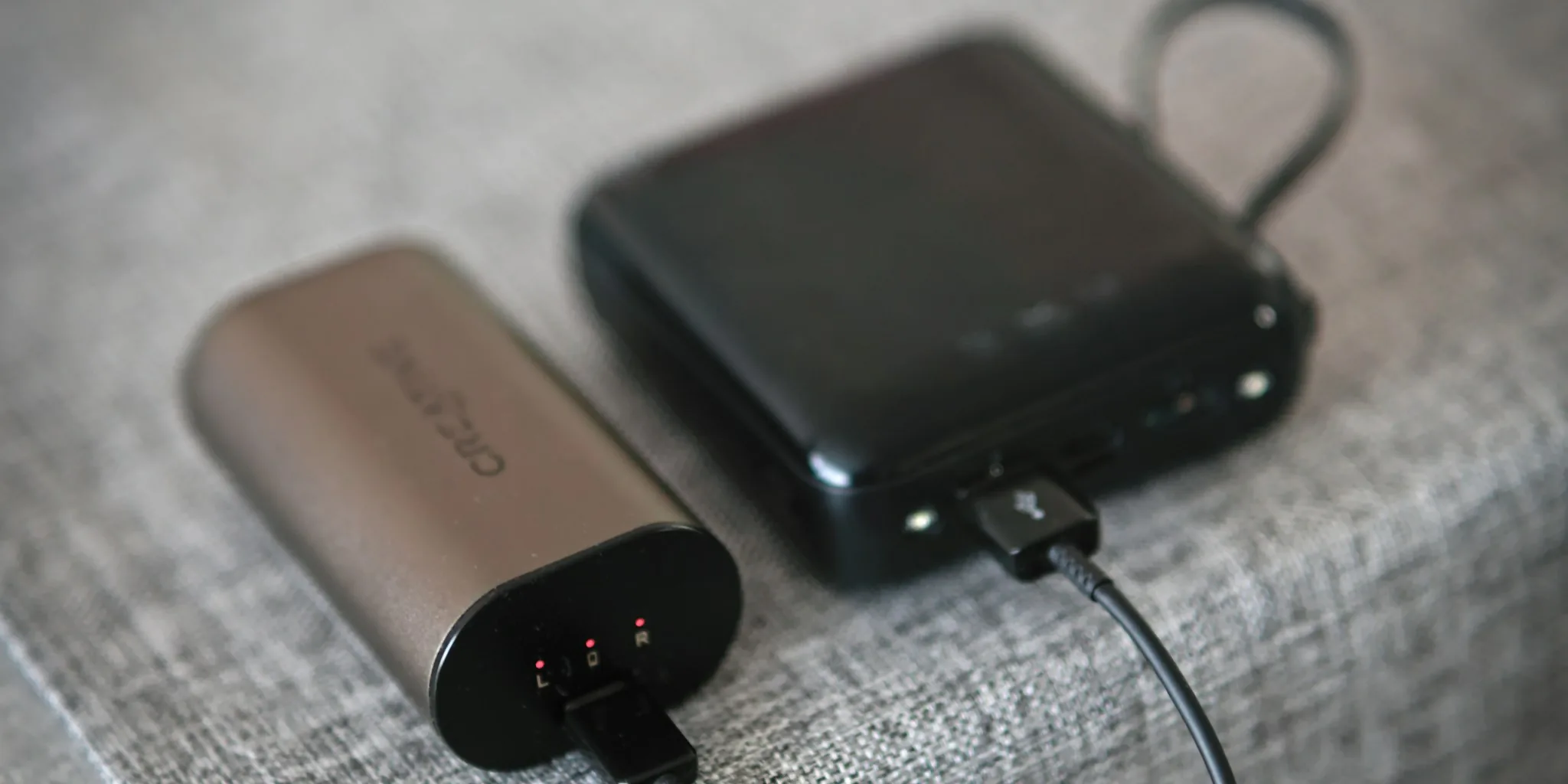
Belkin has unveiled two fresh entries to its power bank lineup at IFA Berlin 2026, and they bring a meaningful shift in battery architecture that could reshape how long your charging device lasts. The new UltraCharge Pro models feature semi-solid-state battery technology, a meaningful departure from the conventional liquid-cell designs most shoppers know.
What Makes BoostSolid Cell Technology Different
The company calls its proprietary battery design BoostSolid Cell, which combines a gel-like layer alongside a liquid electrolyte. This hybrid approach addresses several pain points that frustrate power bank owners. The technology allows batteries to occupy less physical space while reducing swelling that typically occurs as these devices age.
Belkin claims the new architecture delivers longevity up to three times greater than conventional power banks, though real-world durability will require extended monitoring over time. The company also emphasizes safety improvements, noting that the design reduces thermal runaway risk and fire hazard. Two onboard temperature sensors monitor battery health every 250 milliseconds and can cut power delivery if the device exceeds operating limits.
It’s worth noting that semi-solid-state battery technology in power banks isn’t entirely new to the market. Other manufacturers like Kuxiu and BMX already offer models using similar cell architectures, so Belkin enters a space where the innovation has been established, though perhaps not yet mainstream.
Two Models, Two Use Cases

The UltraCharge Pro lineup consists of two distinct options. The slim 5,000mAh model measures just 8.8 millimeters thick, making it approximately 40 percent slimmer than comparable capacity power banks. It supports 15-watt Qi2 magnetic wireless charging alongside up to 22.5 watts via USB-C, handling most modern phones and small portable devices.
The larger 10,000mAh model steps up the capabilities significantly. It features a digital display showing battery percentage, output wattage, and thermal status. With up to 60 watts of USB-C output, it can charge laptops and tablets alongside smartphones, expanding its utility for travelers and professionals. The device includes two USB-C ports and one USB-A port, delivering substantial multi-device support. It accepts 40 watts of input power during recharging and supports 15 watts of passthrough charging, meaning you can power a device while simultaneously refilling the power bank itself.
Pricing and Availability
The 5,000mAh model arrives at $69.99, while the 10,000mAh version costs $89.99. Both will launch in black and sand color options beginning in September 2026. For shoppers evaluating power banks worth buying for every budget, these price points position Belkin competitively within the mid-range segment.
What This Means for Buyers

The introduction of semi-solid-state batteries represents incremental progress toward solving genuine user frustrations. Power banks that swell or degrade rapidly are expensive to replace and contribute to electronic waste. If Belkin’s three-times longevity claim holds under normal usage, shoppers could keep these devices in rotation for significantly longer than current alternatives.
The display on the larger model addresses a practical annoyance that many users face: guessing remaining battery capacity. Passthrough charging capability appeals specifically to frequent travelers who choose power banks for travel scenarios where carrying multiple devices becomes cumbersome.
Safety improvements matter too. While modern power banks rarely experience catastrophic failures, enhanced thermal monitoring and gel-solid hybrid chemistry reduce an already small risk further. For families purchasing devices for children or gifts, this incremental safety gain justifies consideration.
The slim profile of the 5,000mAh variant addresses weight and pocket-space concerns, particularly for commuters and professionals who value portability. At less than nine millimeters thick, it competes directly with ultra-thin designs while promising extended lifespan.
The Bigger Picture
Belkin’s move into semi-solid-state battery technology signals that mainstream power bank manufacturers are adopting innovations previously confined to premium or experimental products. As battery chemistry advances filter downward into mid-range pricing, consumers benefit from materials science improvements that genuinely extend product lifespan and improve reliability.
The marketplace will provide the ultimate verdict on whether these claims translate to real-world performance. Reviews are expected to emerge as units reach consumer hands throughout the coming months. Until then, the specifications and stated engineering improvements position these new power banks as compelling options for anyone seeking a durable charging solution.
About the author
Adrian writes about power banks for REMOVU, balancing capacity, charging speed, and pocketability for phones and laptops. He helps readers stay topped up without carrying a brick.