Apple TV 4K 2026 Model Arrives With Wi-Fi 7 What Buyers Should Know
Leak reveals fourth-generation Apple TV 4K with Wi-Fi 7, faster chip, and Siri AI arriving soon.
 By Kylie Fields
Updated September 25, 2026
By Kylie Fields
Updated September 25, 2026

Apple appears set to release a fourth-generation Apple TV 4K model soon, bringing a significant upgrade cycle to streaming hardware that has remained largely unchanged since 2022. Evidence of the unreleased device has surfaced in Apple’s internal files, confirming that a new version is in the final stages of preparation. Here’s what consumers need to understand about the upcoming release and why Wi-Fi 7 connectivity matters for your home entertainment setup.
Internal Upgrades Define the New Apple TV
The incoming Apple TV 4K will maintain the same external design as the current model, which means you won’t notice a visual difference sitting on a shelf or beneath your television. All the meaningful improvements happen inside the device, making it a classic example of hardware evolution focused on performance rather than aesthetic change.
The processor upgrade represents the most significant internal shift. The new model is expected to feature either an A17 Pro chip or a newer variant, paired with double the RAM at 8GB compared to the current model’s 4GB. This performance jump enables faster video playback, smoother app navigation, and improved graphics rendering for games that support hardware-accelerated ray tracing. The current model, released in October 2022, relies on an A15 Bionic processor, so the generational leap will be noticeable in everyday responsiveness.
Wi-Fi 7 Changes Streaming Performance Potential

Perhaps the most important technical addition is built-in Wi-Fi 7 support through Apple’s custom-designed N1 wireless chip. This networking standard represents a meaningful jump from the Wi-Fi 6 connectivity in the current model, though understanding what Wi-Fi 7 actually delivers requires some context.
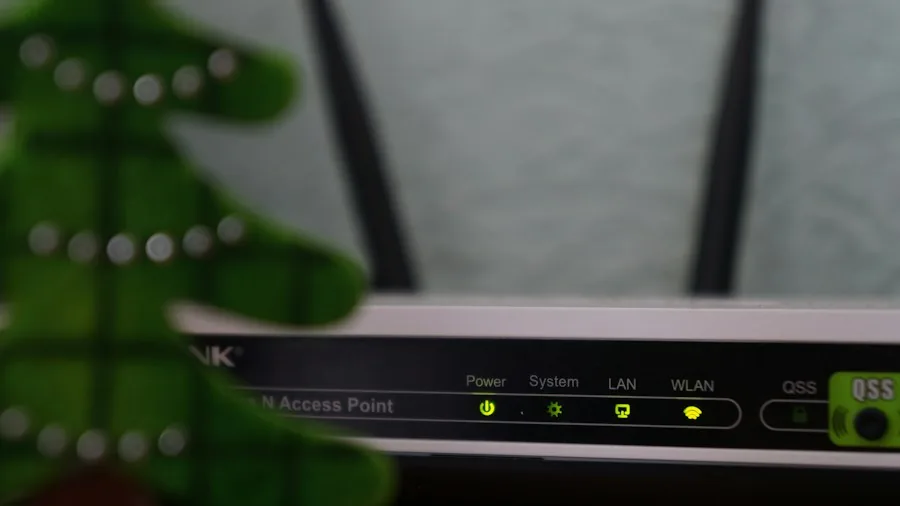
Wi-Fi 7 supports simultaneous data transmission across three frequency bands: 2.4GHz, 5GHz, and 6GHz. This tri-band capability theoretically enables speeds up to four times faster than Wi-Fi 6, assuming your router supports the standard and your internet service can deliver sufficient bandwidth. However, real-world speeds depend heavily on your home network setup and ISP capabilities. If you’re using an older wi-fi router or have slower internet service, the Wi-Fi 7 hardware won’t overcome those limitations. For consumers with mesh WiFi systems already deployed in their homes, Wi-Fi 7 compatibility ensures the Apple TV can take advantage of future network upgrades without requiring new hardware.
The N1 chip also brings Bluetooth 6 support, enabling faster and more reliable connections to wireless remotes, headphones, and other peripherals. This matters most in households with multiple Bluetooth devices competing for bandwidth.
Siri AI Becomes the Headline Feature
Apple Intelligence integration represents the primary new software capability for the next-generation Apple TV. The updated Siri will function as a dedicated app on the device, offering far more sophisticated voice assistance than the current iteration. This enhanced version can answer complex questions, provide personalized recommendations, and interact with your smart home ecosystem more intelligently than before.
The RAM upgrade to 8GB directly supports this AI functionality, providing the processing overhead necessary for on-device intelligence features. This shift toward smarter, more responsive voice control addresses a common user frustration with streaming devices that rely on basic voice commands.
A revised Siri Remote is expected alongside the new device, though the specific changes remain unclear. Whether it receives new buttons, improved ergonomics, or simply internal refinements remains to be confirmed upon official announcement.
Pricing Uncertainty Ahead of Launch
One critical unknown for consumers is whether Apple will maintain current pricing or impose another increase. The company raised Apple TV 4K prices significantly in June 2026, moving the base Wi-Fi model from 129 dollars to 199 dollars for 64GB of storage. The Wi-Fi plus Ethernet variant jumped from 149 dollars to 249 dollars with 128GB capacity. These increases took many consumers by surprise and may influence purchasing decisions when the new model arrives.
If Apple maintains those price points for the fourth-generation model, the value proposition improves considerably thanks to better performance and Wi-Fi 7 support. If prices increase further, the decision to upgrade becomes more complex, particularly for users whose current Apple TV still meets their needs.
When to Expect the Announcement
October represents Apple’s traditional product announcement month, suggesting that official details about the new Apple TV 4K could arrive within weeks. This timeline aligns with reports from industry observers who expect the release to occur before year’s end. For those considering an Apple TV purchase, waiting for the official announcement and pricing confirmation makes sense before committing to the current generation.
The upgrade cycle finally turning for Apple’s streaming device brings meaningful technical improvements, especially for households interested in mesh WiFi systems for large homes or those seeking better smart home integration through advanced Siri capabilities. Performance gains and Wi-Fi 7 readiness position the new model as a worthwhile consideration for anyone planning a streaming hardware investment in the coming months.
About the author
Kylie covers processors for REMOVU, balancing core count, clock speed, and platform cost against what readers actually run. She helps builders pick a CPU that fits their workload and budget.