Apple Releases iOS 27 Public Beta: What Shoppers Need to Know Before Launch
Sixth public betas of iOS 27 and macOS Golden Gate released as fall launch approaches rapidly.
 By Ava Herrera
Updated August 31, 2026
By Ava Herrera
Updated August 31, 2026

Apple announced the arrival of the sixth public beta versions of its major software platforms on Monday, August 31, 2026. The company rolled out iOS 27, iPadOS 27, macOS Golden Gate, and tvOS 27 to public beta participants, marking a significant milestone in the software development cycle. This move allows millions of users to access and evaluate upcoming features ahead of the official fall release, which is expected to arrive within weeks.
What This Beta Release Means for Apple Users
When Apple pushes software through public beta phases, it signals that the company is in the final stages of polishing and refining its platforms. The sixth public beta arriving just days after the fifth version indicates that development cycles are accelerating as the company approaches its planned September 9 iPhone announcement event. Industry observers expect release candidate versions, which are nearly final builds, to arrive within the following week.
For consumers deciding when to upgrade their devices, this timeline matters considerably. It means that anyone holding off on purchasing new Apple hardware in September will be getting products that ship with software that’s already been refined through multiple rounds of feedback from thousands of users worldwide.
How to Access the Beta Software

Prospective users don’t need special developer credentials or technical expertise to participate. Apple maintains a straightforward enrollment process through its official beta website. Once registered, participants can download and install the public beta by navigating to their device’s Settings application, selecting General, and choosing Software Update. The process is identical whether someone owns an iPhone, iPad, Mac, or Apple TV.
The availability of public betas democratizes the process of evaluating new software features and stability. Rather than relying solely on press demonstrations or marketing materials, consumers can examine the actual user experience themselves. This transparency helps shoppers make more informed decisions about upgrading, since they can evaluate whether new features genuinely enhance their workflow or represent changes they’ll need time to adapt to.
Feature Expectations for iOS 27 and Beyond
According to development information, iOS 27 introduces artificial intelligence capabilities branded as Apple Intelligence, along with enhancements to Siri that leverage neural processing. The update also emphasizes child safety improvements, reflecting ongoing industry concerns about age-appropriate device use. For iPad users, iPadOS 27 brings similar AI enhancements along with design refinements tailored to larger screens.
The macOS Golden Gate update follows suit with comparable artificial intelligence features and visual interface adjustments. Meanwhile, tvOS 27 takes a different approach, introducing fewer headline features but including a redesigned Podcasts application that reflects Apple’s evolving content priorities.
One notable aspect of the latest beta cycles is the absence of dramatic new features. Development teams have clearly completed most major additions and are focusing on stability, compatibility, and performance optimization. This stage of the development process typically involves fixing edge cases, improving battery life, and ensuring smooth operation across the vast ecosystem of compatible devices.
What Consumers Should Consider
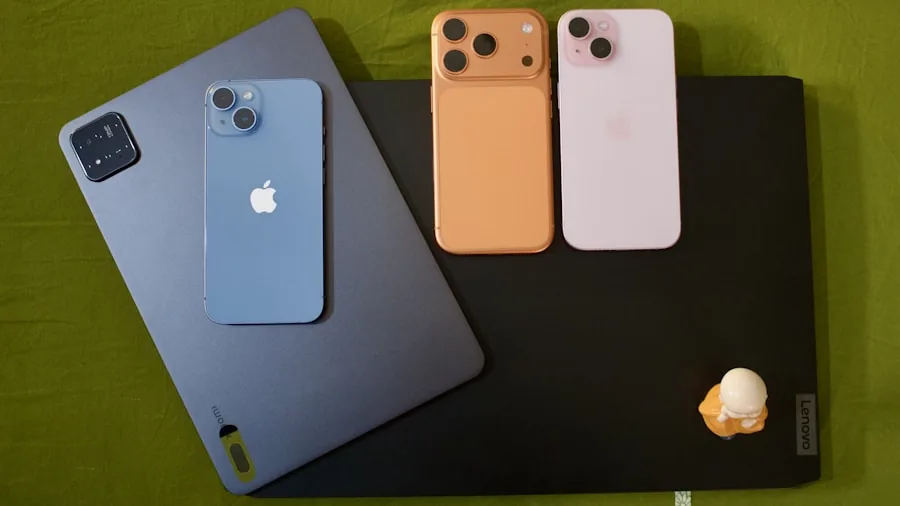
For shoppers contemplating an upgrade to newer Apple devices, the release of public betas offers valuable context. The proximity of these betas to the official launch window means that reviewers will soon publish comprehensive assessments comparing the new software across different device models. The best smartwatches for swimming in 2026 and other product categories continue to evolve alongside software updates, creating an interconnected ecosystem where hardware and software capabilities complement each other.
If you’re planning to purchase an iPhone, iPad, Mac, or Apple TV in the coming weeks, waiting until after the September 9 announcement provides multiple advantages. New device models typically launch with release candidate or final software versions, ensuring a smoother initial experience. Additionally, announcements often include pricing information, trade-in values, and promotional offers that can influence purchase decisions.
The beta release process also highlights how Apple’s product development philosophy differs from competitors. By allowing consumers and professionals to participate in the refinement process, the company gathers diverse usage data and feedback that typically remains hidden during development at other technology companies.
Timeline and Next Steps
The software release cadence suggests that consumers should expect final versions of these operating systems to arrive in September, likely coinciding with the new iPhone announcement. This means that anyone purchasing Apple products in mid-September or later will receive software that’s had the benefit of extensive public evaluation and final optimization.
For current Apple device owners considering whether to install the public beta now, the decision depends on individual tolerance for potential stability issues and readiness to adapt to new features. Most users benefit from waiting for the final release, though early adopters and developers often find tremendous value in helping shape the platform’s evolution before millions of people begin using it.
About the author
Ava is REMOVU's laptop writer, balancing speed, battery life, and build quality against price across the whole range. She helps readers find the sweet spot as each new chip shifts what a dollar buys.