Apple Dominates Smartwatch Market While Google and Garmin Gain Ground
Garmin surges to tie Samsung for second place. What buyers should know about shifting wearable market dynamics.
 By Kristen Jennings
Updated August 17, 2026
By Kristen Jennings
Updated August 17, 2026

Apple’s grip on the global smartwatch market remains unshakeable, commanding nearly half of all shipments worldwide. However, new competitive forces are emerging in unexpected corners of the wearable segment, signaling shifts that buyers should understand as they evaluate their next device purchase.
Apple’s Historic Market Dominance
According to recent market analysis covering the second quarter of 2026, Apple captured 46 percent of all smartwatches shipped globally. This commanding share actually represents a slight decline from 48 percent a year earlier, yet remains substantially larger than every other competitor combined. Samsung, Garmin, Huawei, and Imoo together account for less market share than Apple alone achieves.
The Apple Watch Series 11 continues to be one of the world’s best-selling wearables, benefiting from deep integration with iPhones and established brand loyalty. Despite modest price increases across the smartwatch industry in recent months, Apple’s market position has remained virtually untouchable.
Samsung Slips While Garmin Surges
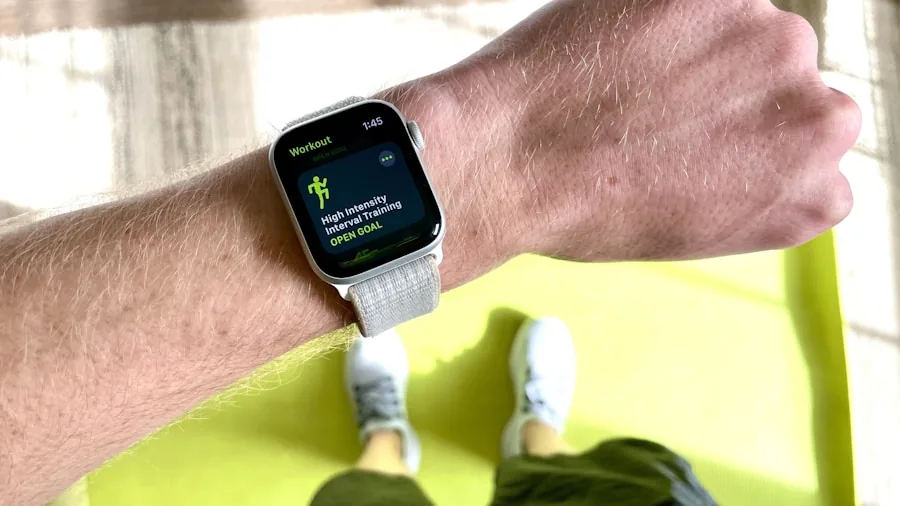
The competition landscape experienced notable reshuffling in recent quarters. Samsung, which previously held the silver medal position, saw its market share contract from 17 percent to 15 percent. This decline opened an opportunity that Garmin seized aggressively, climbing from 11 percent to 15 percent and effectively tying Samsung for second place.
Garmin’s ascent is particularly significant for shoppers interested in fitness-focused wearables. The company’s growth contributed substantially to the overall 6 percent year-on-year expansion of the smartwatch category itself. For those prioritizing durability, battery life, and specialized athletic features, Garmin’s rising prominence means more competitive options and innovation at various price points, including smartwatches under $200.
The Unexpected Rise of Fitness Trackers
One of the most interesting developments involves Google’s Fitbit Air and similar affordable activity trackers. These screenless or minimal-screen devices are experiencing significant growth and are expected to capture increasingly larger market segments over the coming months. While the Pixel Watch itself has not achieved mainstream breakthrough status, Google’s strategy of positioning Fitbit products at lower price points is resonating with consumers seeking basic health tracking without premium smartwatch functionality.
This category shift is crucial for budget-conscious buyers. Screenless fitness bands maintained approximately 15 percent of basic band shipments in the second quarter, and analysts expect this segment to expand further. The overall wearable market experienced a 2 percent decline during the quarter, partially because basic band shipments fell 9 percent compared to the same period the previous year. However, this decline may reverse if strong demand for smartwatches and entry-level fitness trackers continues.
What This Means for Shoppers
The current smartwatch landscape offers distinct pathways depending on your priorities and budget. Apple Watch Series 11 remains the premium choice with unmatched ecosystem integration, particularly if you own an iPhone. The device’s dominance reflects consistent performance, reliability, and seamless connectivity that many users prioritize.
For those valuing sports functionality and extended battery life, Garmin’s growing market share signals a strengthening ecosystem with more models and features coming to market. Samsung remains competitive despite its declining share, offering smartwatches for swimming and other water activities with advanced health monitoring.
The emergence of Fitbit as a mainstream player means more entry-level options are available for casual users who want activity tracking, step counting, and basic health metrics without premium pricing or complex features.
The Modest Price Environment
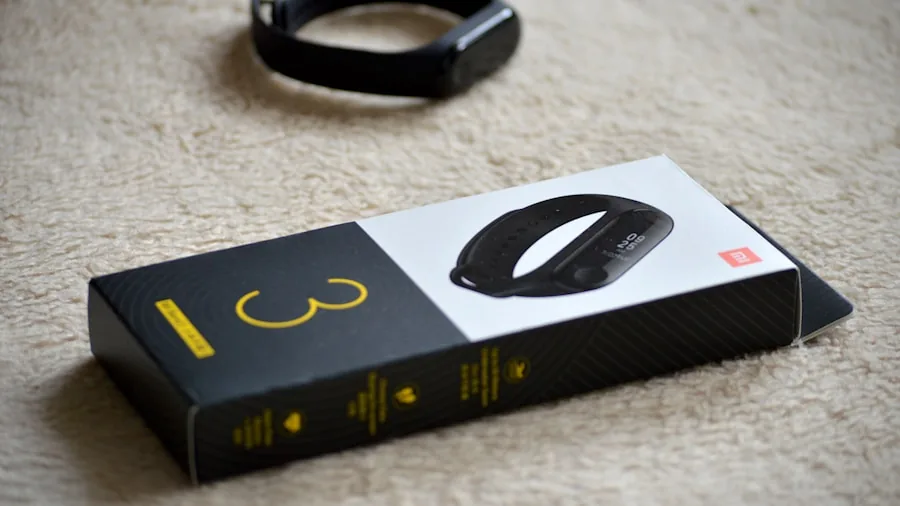
One reassuring factor for buyers is that price increases in the smartwatch segment have remained relatively modest compared to smartphones and tablets. While newer models carry slightly higher prices than their predecessors, older models have not become significantly more expensive, and ultra-affordable activity trackers have largely retained their affordability and accessibility.
This stable pricing environment means buyers have room to explore various brands and models without facing the dramatic cost jumps that plague other consumer technology categories. Component costs, which have impacted other wearable markets, have affected smartwatches to a considerably smaller degree so far.
Looking Ahead
Market analysts project the wearable industry could return to growth in the coming quarter if current demand trends for Apple Watch, Garmin products, and Google Fitbit devices persist. The competitive dynamics suggest buyers will benefit from increased innovation and choice across multiple price tiers. Apple’s continued dominance does not preclude meaningful competition in specific categories and price ranges where alternatives address particular user needs more effectively.
Whether you prioritize ecosystem integration, athletic performance, or affordability, the current smartwatch market offers more legitimate alternatives than at any recent point in the segment’s history. Understanding market trends helps shoppers make informed decisions aligned with their actual usage patterns and budget constraints.
About the author
Kristen writes about smartwatches for REMOVU, comparing features, battery life, and ecosystem fit. She helps readers tie together health tracking, notifications, and apps on the right watch.