Action Camera Innovation in 2024: What Modern Shoppers Should Know
Modern action cameras now rival high-end video equipment with AI-powered low light, color profiles, and cinema recording formats.
 By Veronica Sanchez
Updated September 13, 2026
By Veronica Sanchez
Updated September 13, 2026
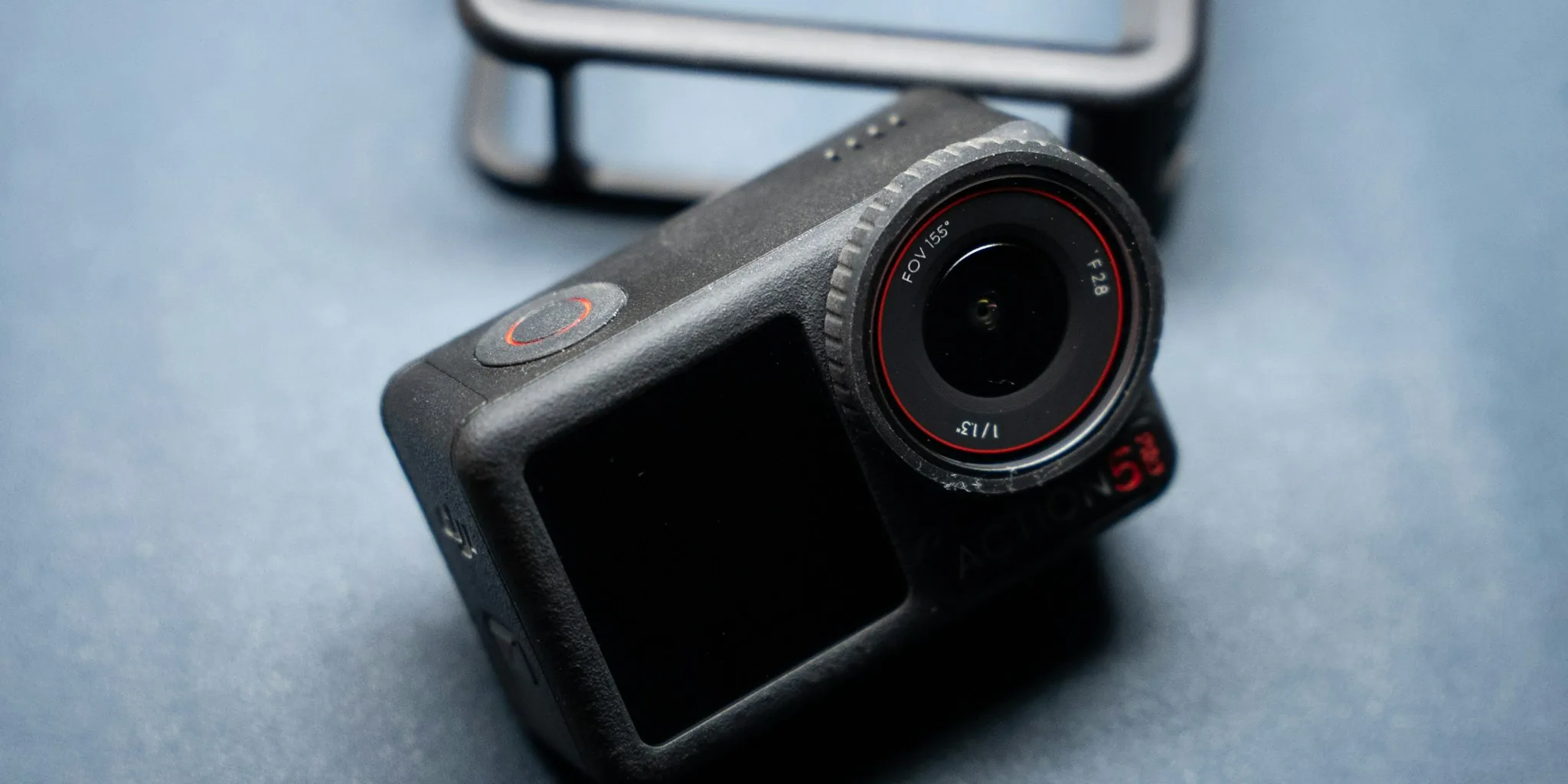
Action cameras have undergone a dramatic transformation over the past decade. What was once a simple press-and-record device has evolved into a sophisticated piece of filmmaking technology that rivals much larger and more expensive equipment. For shoppers considering an action camera, understanding this shift is essential to making an informed purchase decision.
A decade ago, action cameras were genuinely straightforward. Users mounted the camera, pointed it in the general direction of the action, pressed record, and hoped the footage would be worthwhile. The primary function was documentation: capturing a mountain bike ride, a surfing session, or a road trip moment. Resolution options and a basic remote control represented the height of available features. The category served a clear purpose for adventure enthusiasts who wanted a rugged, portable way to document their experiences.
Today’s action camera landscape bears little resemblance to that simplicity. Modern models now incorporate professional-grade video production capabilities that would have seemed impossible in a device small enough to fit in a jacket pocket. The latest generation includes 8K sensors, advanced zoom functionality that maintains image clarity, and computational features powered by artificial intelligence.
Professional Color Grading Tools Come to Compact Cameras
One of the most significant changes involves color science and post-production workflows. Current action cameras now feature built-in color profiles inspired by premium camera manufacturers, including professionally tuned settings that photographers and videographers previously could only access on high-end mirrorless or cinema cameras. These profiles offer distinct approaches to contrast, saturation, and overall mood directly from the camera, eliminating the need for extensive editing in post-production.
For creators serious about their work, some models now include I-Log capability, a format that provides additional information and flexibility during the color grading process. This represents a fundamental shift in how action cameras function: they are no longer simply recorders but rather tools capable of producing broadcast-quality footage that requires minimal finishing work.
Low Light Performance and Real Time Processing
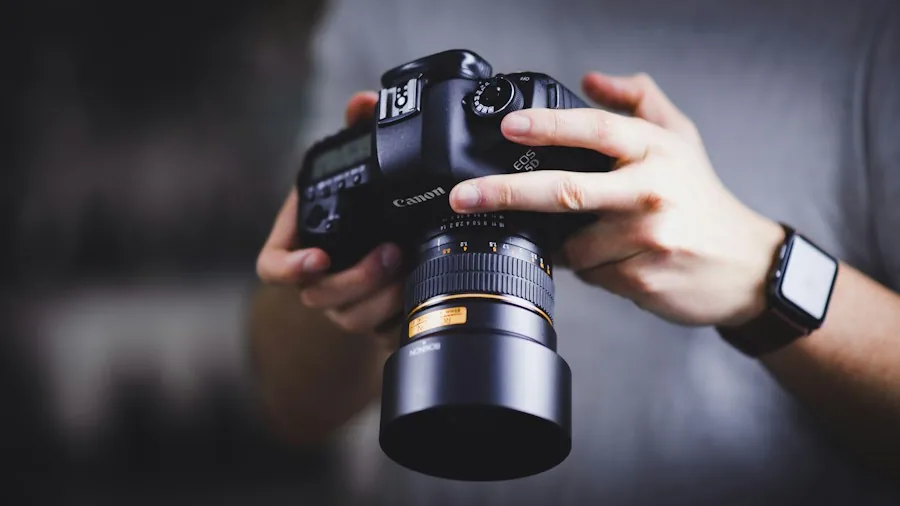
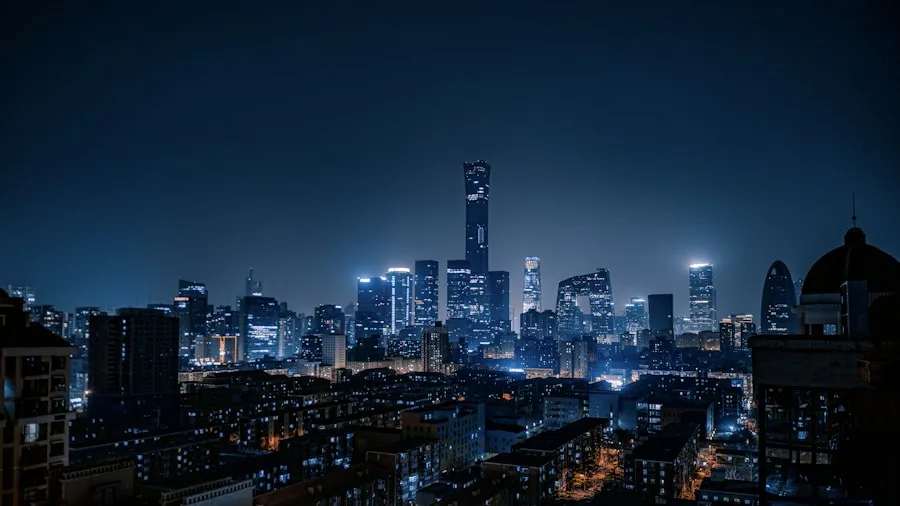
Another major advancement involves handling challenging lighting conditions. Previous action camera footage often suffered noticeably in low-light scenarios, appearing grainy or losing detail in shadows and highlights. Modern implementations use real-time artificial intelligence and dual-chip systems to apply noise reduction and brightness enhancement as recording happens, not afterward. This means footage shot in neon-lit environments, streetscapes at night, or rooms with bright windows can now maintain the professional appearance that shoppers expect from premium cameras.
The ability to shoot at 4K 60 frames per second with advanced low-light processing represents a capability that distinguishes the best action cameras currently available from budget alternatives. Users recording in challenging conditions will notice the difference immediately when comparing footage quality.
Cinematic Recording Formats and Portrait Optimization
Additional features continue to expand creative possibilities. Some current models now support recording in 2.35:1 widescreen aspect ratios that mimic cinema film standards, rather than simply cropping standard rectangular footage in post-production. This gives creators deliberate cinematic characteristics built into the image itself.
Portrait mode functionality demonstrates how sophisticated these tools have become. Rather than serving as a simple beauty filter, advanced portrait modes optimize facial recognition while simultaneously managing background exposure. Users can separately control skin smoothing and brightening while still applying professional color profiles, resulting in finished footage that looks intentional and polished.
What This Means for Your Purchasing Decision
The evolution of action cameras creates both opportunities and considerations for shoppers. The entry-level segment still offers simple, affordable options for casual users who genuinely want basic record-and-review functionality. However, anyone interested in producing content with professional visual characteristics should understand that current flagship models deliver capabilities previously reserved for dedicated video cameras and substantial post-production efforts.
Battery life and accessory ecosystems have also matured significantly. Dedicated grips with physical controls and integrated power sources now extend recording duration substantially while providing tactile exposure and zoom adjustments that improve creative control. Specialized lenses attach to modern action cameras, enabling different focal lengths and cinematic effects.
The category now serves photographers and filmmakers at multiple skill levels. Casual adventurers can still capture action simply and reliably. Simultaneously, creators focused on visual storytelling can leverage sophisticated tools to produce polished content that competes with footage from much larger and more expensive equipment. Whether you need basic durability for extreme sports or advanced creative tools for content production, action cameras at various price points now deliver corresponding capabilities. Understanding where your needs fall within this spectrum ensures you invest in the right equipment for your goals.
About the author
Veronica is REMOVU's action camera writer, comparing stabilization, low-light footage, and rugged, waterproof builds across the latest releases. She focuses on which cameras truly hold up on the trail, underwater, and mounted to a helmet.