New Hohem Eyepic Combines Action Camera and Gimbal: What Shoppers Need to Know
A new dual-function device combines gimbal stabilization with wearable action camera capability.
 By Veronica Sanchez
Updated September 7, 2026
By Veronica Sanchez
Updated September 7, 2026
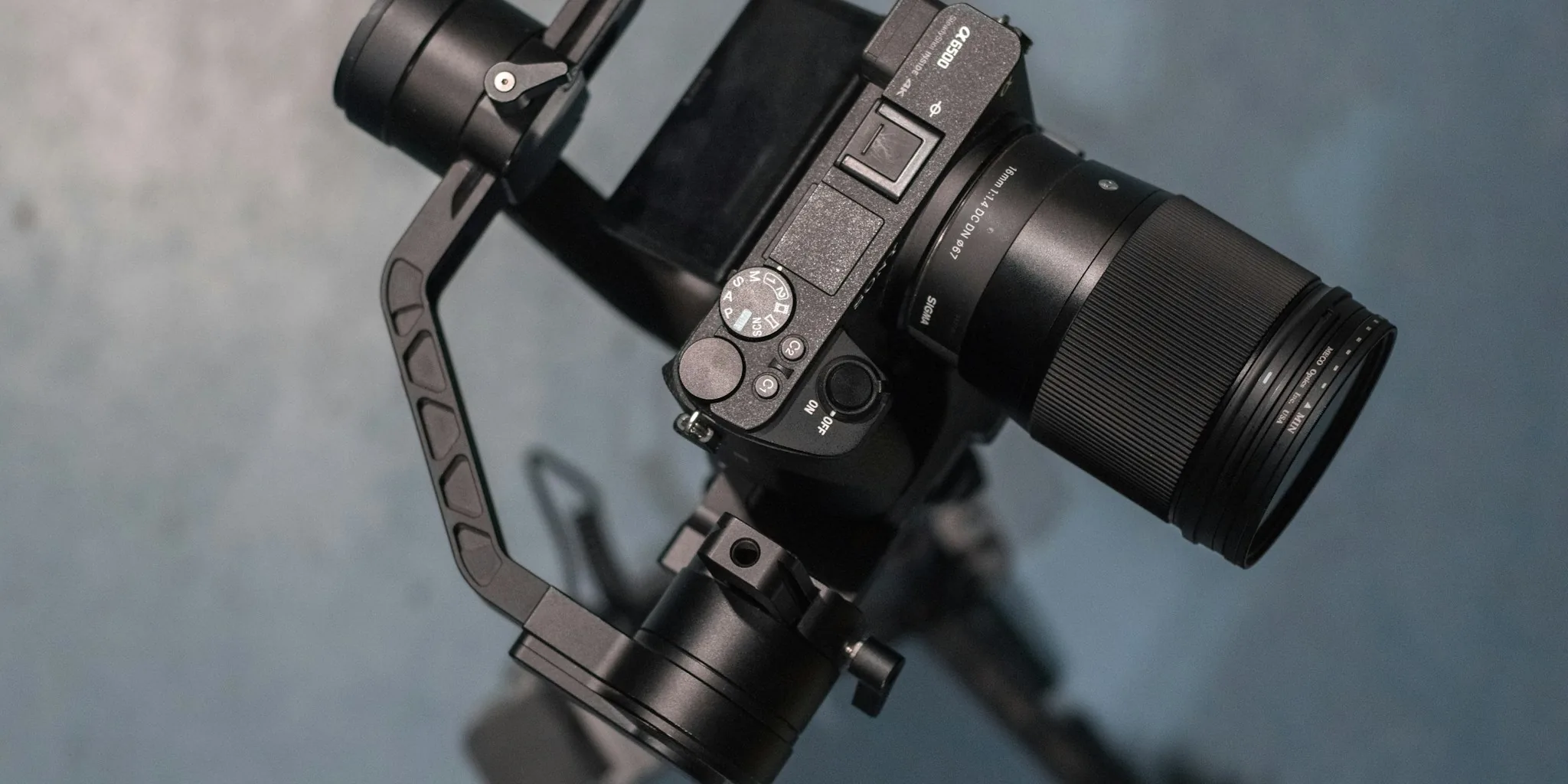
Hohem, a leading manufacturer of camera stabilization equipment, has unveiled the Eyepic, a groundbreaking device that merges an action camera with a mechanical gimbal into a single compact unit. The company claims this is the first pocket-sized gimbal camera of its kind, representing a significant shift in how content creators can approach video recording without carrying multiple devices.
What Makes the Eyepic Different
The Eyepic operates as both a stabilized gimbal camera and a standalone wearable action cam, offering flexibility that traditional action cameras do not provide. The device features a compact body reminiscent of miniature action camera designs, with a 2.5-inch touchscreen that pivots independently from the main unit. This design choice allows the screen to display your recording in the correct aspect ratio, whether you’re shooting horizontally or vertically.
The recording capability reaches 4K resolution at 60 frames per second in both landscape and portrait orientations. Rather than relying on sensor cropping to achieve vertical video, the gimbal head itself rotates 90 degrees to capture the desired framing. This technical approach ensures you maintain full resolution quality regardless of which orientation you choose for your content.
Modular Design and Attachment Options

The camera body connects to the gimbal using magnetic mounts combined with a mechanical clip system. To switch between gimbal mode and wearable mode, you must physically snap the camera into place or press a button to release it. Hohem designed this mechanism with safety in mind, ensuring the camera remains securely attached during active recording and movement.
The company plans to offer an extensive range of mounting accessories that appeal to various use cases. These mounts will accommodate attachment to hats, bicycles, backpacks, and ferrous surfaces around you, thanks to the magnetic properties of the device. For anyone considering action camera options, this modular approach could significantly simplify your gear requirements by consolidating multiple devices into one system.
Implications for Content Creators
The dual-functionality design addresses a real challenge many videographers face: the need to carry separate devices for different shooting scenarios. If you frequently record point-of-view content, the Eyepic’s ability to function independently as a wearable camera reduces kit complexity. You gain stabilized gimbal footage when stationary or moving smoothly, and you maintain a compact, wearable option when perspective and portability matter most.
The release timeline positions the Eyepic for a Q1 2025 launch, with Hohem planning to showcase a more refined prototype at the January CES technology conference. This schedule gives the manufacturer time to address design refinements before the product reaches consumers. Pricing strategy will be crucial for market adoption, as the success of this hybrid approach depends partly on whether Hohem can deliver competitive pricing that justifies the dual functionality against purchasing separate devices.
What This Means for Shoppers
The Eyepic represents an evolution in action camera technology, moving beyond traditional fixed-form devices toward versatile, modular systems. For travelers, adventurers, and content creators, this approach could streamline equipment selection and reduce weight and bulk during trips.
The independent screen pivot is particularly valuable for anyone who regularly switches between vertical and horizontal content creation, as it ensures you always have a properly-oriented preview of your shot. The mechanical attachment system, while potentially slower than magnetic-only designs, prioritizes security during active use, an important consideration for action-oriented applications.
As the product development continues toward launch, shoppers should anticipate reviews and comparisons that will evaluate how smoothly the device transitions between gimbal and wearable modes, how the stabilization quality compares to dedicated gimbal cameras, and whether the pricing justifies consolidating multiple devices into a single purchase. The combination of gimbal stabilization and wearable camera functionality in one device fills a gap in the current action camera market, offering a compelling option for creators who want professional-grade stability without the complexity of managing separate equipment.
About the author
Veronica is REMOVU's action camera writer, comparing stabilization, low-light footage, and rugged, waterproof builds across the latest releases. She focuses on which cameras truly hold up on the trail, underwater, and mounted to a helmet.