iPhone Ultra Launch Faces Major Supply Challenges: What Shoppers Need to Know
Production bottlenecks threaten to make Apple's first foldable nearly impossible to buy at launch.
 By Eleanor Garcia
Updated September 5, 2026
By Eleanor Garcia
Updated September 5, 2026
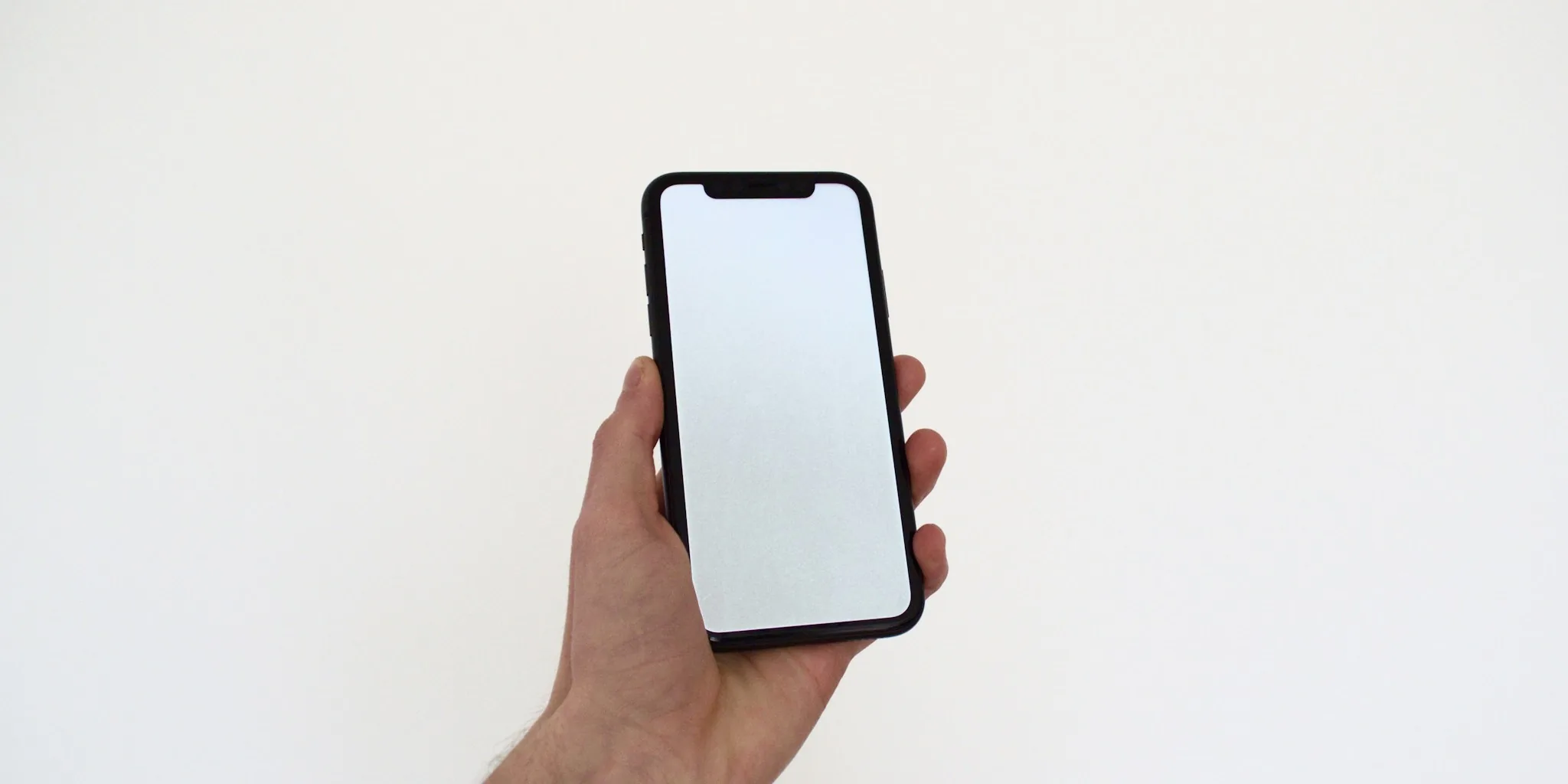
Apple is preparing to unveil the iPhone Ultra, its first foldable smartphone, on September 9. However, excitement around this groundbreaking device is being tempered by serious production constraints that could severely limit availability when it finally reaches consumers.
Production Bottleneck Threatens Launch
The iPhone Ultra has encountered significant manufacturing hurdles that threaten to derail Apple’s initial rollout plans. According to recent reports from industry supply chain analysts, production output in late August reached only a few hundred units per day, far below the tens of thousands daily that Apple needs to meet its goals. This massive shortfall comes despite the company and its suppliers working around the clock to accelerate manufacturing.
The limited initial production means that when the iPhone Ultra launches, inventory will be extremely constrained. If production rates don’t improve dramatically in the coming weeks, the device could become nearly impossible for consumers to purchase during the critical launch window. Apple historically launches products with sufficient stock to meet early demand, making this situation particularly unusual for the company.
Quality Standards Behind the Delays
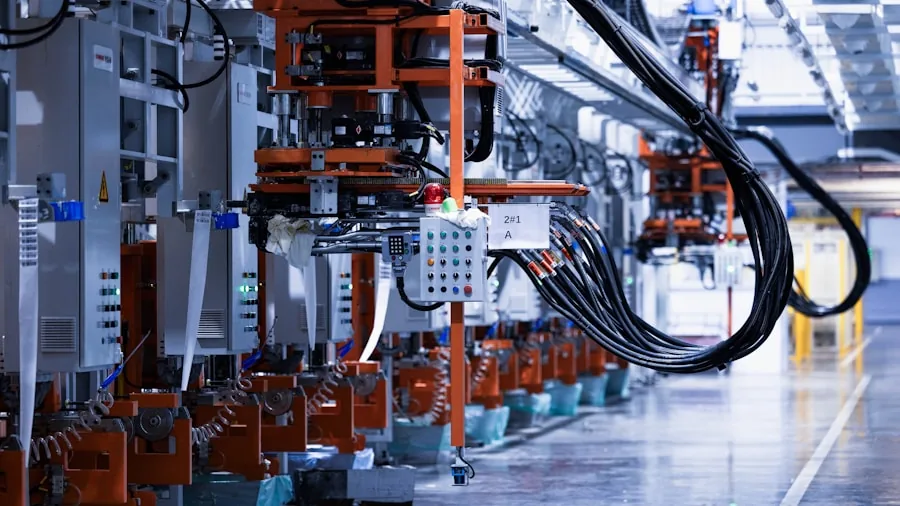
The production issues stem not from incompetence, but from Apple’s notoriously high quality standards. The company implemented an extended verification process in August that pushed commercial production back by several weeks. Apple demanded that suppliers meet exceptionally rigorous requirements for two critical components: the hinge mechanism and the display flatness.
Apple required that the hinge endure more extreme folding cycles than competitors typically demand and that the inner display achieve unprecedented flatness. These durability and design requirements exceed what other manufacturers currently enforce, which explains why production has moved so slowly. The company prioritized getting these fundamental features right over meeting aggressive production timelines.
For consumers evaluating smartphone options, this commitment to quality offers reassurance that the iPhone Ultra won’t suffer from the fragility issues that have plagued some competing foldable devices. However, it also means patience will be required to actually obtain one.
Potential Delays and Availability Timeline
Early indications suggest that the iPhone Ultra’s availability may not align with the standard Apple launch schedule. Multiple reports indicate that pre-orders and shipments could be delayed until late October or even early November, similar to how the iPhone X rolled out years ago. Some analysts have speculated even more dramatic delays, though a spring launch seems unlikely.
If such delays do materialize, the iPhone 18 Pro will be available on a much faster timeline, providing an alternative for consumers who don’t want to wait for the foldable model. The iPhone 18 Pro and its Max variant should arrive with more traditional availability windows, making them the more immediately accessible options for holiday shopping.
Current projections suggest Apple may produce between 7 to 10 million iPhone Ultra units by year’s end, assuming production ramps successfully. That’s a modest number compared to standard iPhone volumes, underscoring just how limited availability will be during 2024’s final months.
Market Implications for Shoppers

This production situation creates a unique scenario for potential buyers. Those interested in purchasing a foldable iPhone should prepare for intense competition when pre-orders open. First-mover advantages will be critical, and securing one early may prove significantly easier than trying to purchase later.
Consumers should also weigh whether waiting months for the iPhone Ultra makes sense versus choosing alternative flagship devices available immediately. If having the latest Apple technology matters more than having the foldable form factor, the iPhone 18 Pro represents a stronger near-term choice. Both smartwatches and other accessories will launch with standard availability, even if the Ultra foldable faces constraints.
The delay also affects the competitive landscape. Samsung’s Galaxy Z Fold 8 is already capturing significant market share, and other manufacturers like Xiaomi and Huawei plan major foldable announcements. Shoppers exploring foldable phones may evaluate these alternatives if the iPhone Ultra’s delayed availability doesn’t align with their purchasing timeline.
What This Means Long Term
Apple’s entry into the mainstream foldable market marks a significant moment in smartphone evolution. The company’s perfectionist approach to the iPhone Ultra’s hinge and display should result in a more durable, refined foldable experience. However, the production challenges highlight the genuine manufacturing complexity of creating reliable foldable devices at scale.
For shoppers, the key takeaway is this: the iPhone Ultra represents Apple’s bold commitment to innovation, but patience will be required to actually purchase one. Those who prioritize immediate availability should consider the iPhone 18 Pro or evaluate other options. Those willing to wait should monitor pre-order dates closely and be prepared to act quickly when the opportunity arises. Availability constraints are already a certainty, but the precise timing remains fluid depending on production improvements in the coming months. Additionally, anyone considering complementary tech like wireless earbuds may want to secure those items sooner, as supply chains for accessories typically remain more stable.
About the author
Eleanor covers smartphones for REMOVU, balancing cameras, battery life, and software support against price. She helps readers find the best value as the field shifts with every release.