Huawei FreeBuds Neo Launch What Shoppers Should Know About Cross Platform Earbuds
New earbuds designed to work across iPhone, Android, and Windows without constant reconnecting.
 By Eleanor Garcia
Updated September 2, 2026
By Eleanor Garcia
Updated September 2, 2026

Huawei is making a significant move in the competitive wireless earbuds market with the introduction of the FreeBuds Neo, a brand new line designed to address a pain point that frustrates millions of mobile device users worldwide. The company announced the FreeBuds Neo globally, and rather than positioning this as an upgrade to existing models, Huawei created an entirely separate product line focused on solving one critical problem: seamlessly switching between devices that run different operating systems.
The Device Switching Problem These Earbuds Solve
For anyone who works with multiple devices, the earbuds experience can be frustrating. You might own an iPhone, use a Windows laptop at work, and have a tablet running Android. Traditional wireless earbuds typically favor one ecosystem, forcing you to manually disconnect from one device and reconnect to another each time you switch. This creates unnecessary friction in your daily workflow.
Huawei recognized this gap and built the FreeBuds Neo around dual device switching that operates across Android, iOS, and Windows simultaneously. Rather than emphasizing raw noise cancellation decibels or other typical marketing metrics, the company focused engineering effort on making these earbuds genuinely functional across multiple ecosystems at once. For professionals juggling different platforms, this represents a meaningful advantage over traditional alternatives.
Specifications and Connection Capabilities
The FreeBuds Neo feature dual channel noise cancellation rated up to 30 dB based on Huawei’s internal laboratory measurements. The earbuds house a third generation audio chip with adaptive tuning that responds in milliseconds to changing audio conditions. A new Turbo driver handles a frequency range from 10 Hz to 48 kHz, which should deliver solid audio reproduction across various music genres and media types.
The connection speeds vary depending on which device you pair with. On Huawei phones, the connection reaches 2.3 Mbps lossless quality, but on other devices supporting LDAC technology, the connection maxes out at 990 kbps. The earbuds also support spatial audio with head tracking functionality, though this feature arrives later through a software update. Each bud weighs approximately 4.8 grams with medium sized tips and comes housed in a curved Mini shuttle case.
Design and Color Options
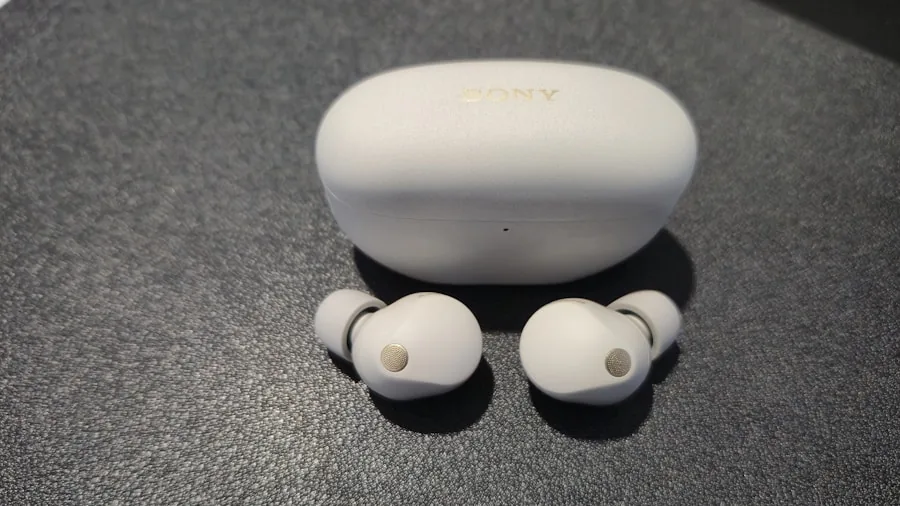
Huawei is offering the FreeBuds Neo in four color choices: Stellar Silver, Nebula Pink, Ice White, and Starry Black. The design includes a new Light Mini Stem aesthetic, which represents an evolution from previous models. The curved case design appears optimized for portability and fits comfortably in standard pockets and bags.
Availability and Pricing for Different Markets
In the UK, the FreeBuds Neo launches September 23 at £119.99 through Huawei’s official store, Amazon, Argos, Very, and other selected retailers. Huawei is offering a £20 discount for customers who purchase before October 26. Unfortunately, the announcement included no US pricing or launch date information. Historically, Huawei products that launch globally sometimes become available on Amazon and other US retailers even without official company pricing, though this remains uncertain for this particular model.
How This Compares to AirPods and Samsung Galaxy Buds
At the £119.99 price point, the FreeBuds Neo directly compete with premium wireless earbuds from Apple and Samsung. Previous Huawei earbuds reviews indicated strong performance in side by side comparisons, though some models showed slightly less aggressive noise cancellation compared to the most premium alternatives. Samsung’s Galaxy Buds have earned praise for sound quality, though evaluations suggested other options provided better overall value at comparable price points.
The key differentiator for the FreeBuds Neo remains the cross platform switching capability. While AirPods excel within Apple’s ecosystem and Galaxy Buds integrate seamlessly with Samsung devices, the FreeBuds Neo attempts to eliminate the switching hassle entirely for users split across multiple platforms.
What Is Missing From the Announcement
One notable omission from Huawei’s official product announcement is battery life specifications. Most consumers rank battery endurance as the first question when evaluating earbuds, yet this critical detail never appeared in the company’s launch materials. Additional battery information is likely to surface closer to the September 23 release date.
Also worth noting is that the full cross platform magic still requires Huawei hardware for maximum benefit. The premium lossless connection only functions with Huawei branded phones, meaning users of other Android devices, iPhones, and Windows laptops get basic LDAC support without the highest bitrate performance.
The Bottom Line for Shoppers
The FreeBuds Neo represent a thoughtful approach to a real problem in the earbuds market. If your daily routine involves shifting between devices from different manufacturers, these earbuds deserve consideration. The £119.99 price puts them in direct competition with other premium options, so your decision should weigh the cross platform convenience against the noise cancellation performance of alternatives.
US consumers should monitor whether these become available through major retailers, as global product availability sometimes expands after official launches. For international shoppers in markets with official availability, the £20 early purchase discount through October 26 provides a modest financial incentive to commit early.
About the author
Eleanor covers smartphones for REMOVU, balancing cameras, battery life, and software support against price. She helps readers find the best value as the field shifts with every release.