Mirrorless Camera Sales Surge as Shoppers Reject Smartphones for Real Photography
Shoppers are ditching smartphone cameras for mirrorless systems. Here is why sales are surging.
 By Lawrence Hale
Updated September 2, 2026
By Lawrence Hale
Updated September 2, 2026

The smartphone was supposed to end the camera industry. Yet in 2026, a surprising shift is underway. Dedicated cameras, especially mirrorless models, are selling faster than they have in years, driven by consumers who want a photography experience that smartphones simply cannot deliver.
Canon just reported that mirrorless camera sales jumped significantly in the first half of 2026, with growth fueled primarily by younger photographers entering the market. These new users are actively choosing interchangeable-lens systems over relying on their phone’s built-in camera. What does this mean for shoppers? The camera market is alive and expanding, and manufacturers are responding by ramping up production and innovation.
Why Mirrorless Cameras Are Drawing New Buyers
According to Canon’s investor report, the core appeal is straightforward: dedicated cameras offer a fundamentally different photography experience. While smartphone cameras have become remarkably capable, they have inherent limitations. A mirrorless camera system provides optical capabilities, interchangeable lenses, larger sensors, and manual controls that allow photographers to express their creative vision in ways phones cannot match.
Young people in particular are gravitating toward mirrorless systems, recognizing that a serious photography hobby requires equipment designed specifically for that purpose. This trend contradicts predictions from a decade ago that smartphones would completely cannibalize the camera market. Instead, two distinct categories have emerged: casual snapshot tools and dedicated imaging platforms.
Canon’s flagship mirrorless model, the EOS R6 Mark III launched in late 2025, has become a bestseller, illustrating strong consumer demand for premium mirrorless bodies. The company has prioritized production of this model and other high-demand units to meet growing interest. For shoppers, this means more inventory availability and competitive pricing as manufacturers expand capacity.
The Broader Market Opportunity

Mirrorless camera growth is part of a larger revival affecting the entire dedicated camera segment. Canon’s overall camera sales increased by 16.9 percent by sales price in the first half of 2026, indicating that consumers are investing in quality equipment. This growth occurred even as the company manages higher raw material and memory costs, which means manufacturers are confident enough in demand to absorb cost pressures.
Beyond high-end mirrorless bodies, compact cameras are also experiencing a renaissance. Models with superior zoom ranges and dedicated flash systems are outperforming smartphones in specific use cases, and shoppers are catching on. For photography enthusiasts, this diverse market expansion creates more options across different price points and feature sets.
What This Means for Your Next Camera Purchase
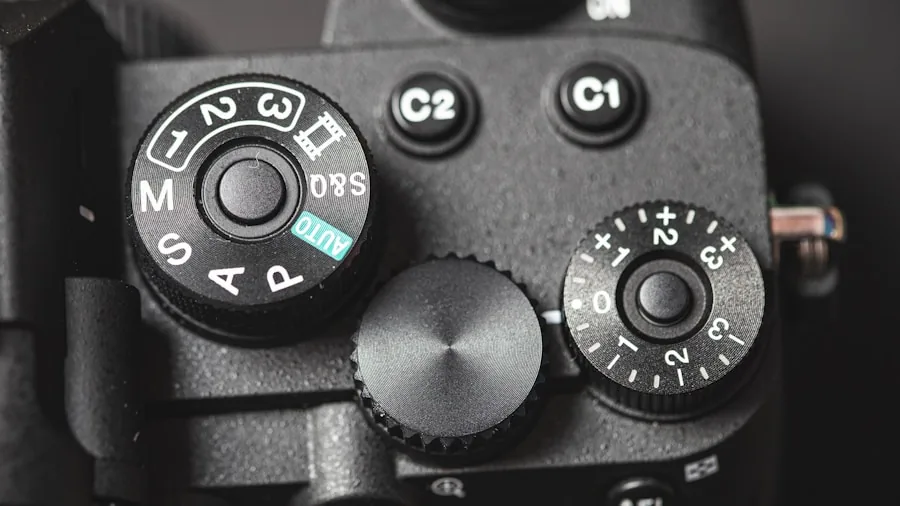
The surge in mirrorless camera sales has several practical implications for shoppers. First, manufacturers are investing in new product launches and production capacity, which typically leads to more competitive offerings and better availability. Second, the market is actively validating mirrorless technology as the preferred platform for serious photographers, meaning you can expect continued support, lens releases, and accessory ecosystems for these systems.
If you have been considering a mirrorless camera under $1000 or a premium body, now is a favorable time. Growing competition and expanded production mean more inventory and stable or declining prices. The industry recognizes that the future of dedicated photography lies in mirrorless systems, and manufacturers are backing that conviction with resources.
Third, the influx of younger photographers entering the market is driving demand for education, community content, and ecosystem development. That means more tutorials, reviews, and peer recommendations are becoming available, making it easier for newcomers to make informed choices.
The Smartphone Pushback is Real
Canon’s report explicitly frames this growth as a reaction against smartphone photography. Consumers are not abandoning their phones; they are simply acknowledging that phones have limitations. Whether you need superior zoom for wildlife, manual control for creative work, or professional image quality, a dedicated mirrorless system delivers in ways a smartphone cannot.
The data suggests this is not a temporary trend driven by hype. Canon’s 16.9 percent increase in camera sales by value, combined with strong performance from newer models like the R6 Mark III, indicates sustained market confidence. Shoppers are voting with their wallets, and they are choosing mirrorless cameras.
For anyone thinking about purchasing a serious camera, this market environment is encouraging. Mirrorless cameras for wildlife photography and other specialized applications are seeing real investment and innovation. The camera industry is not declining; it is simply evolving into a smaller, more passionate market of creators who understand that real photography demands real tools. That shift is happening now, and it is reshaping what consumers expect from their imaging equipment.
About the author
Lawrence covers mirrorless and DSLR cameras for REMOVU, weighing image quality, autofocus, and lens ecosystems. He helps photographers choose a body they can grow with.