Apple Foldable Phone Launches Next Week: What Shoppers Should Expect
New CEO, new foldable iPhone, and significant price increases across Apple's entire smartphone lineup.
 By Eleanor Garcia
Updated September 1, 2026
By Eleanor Garcia
Updated September 1, 2026
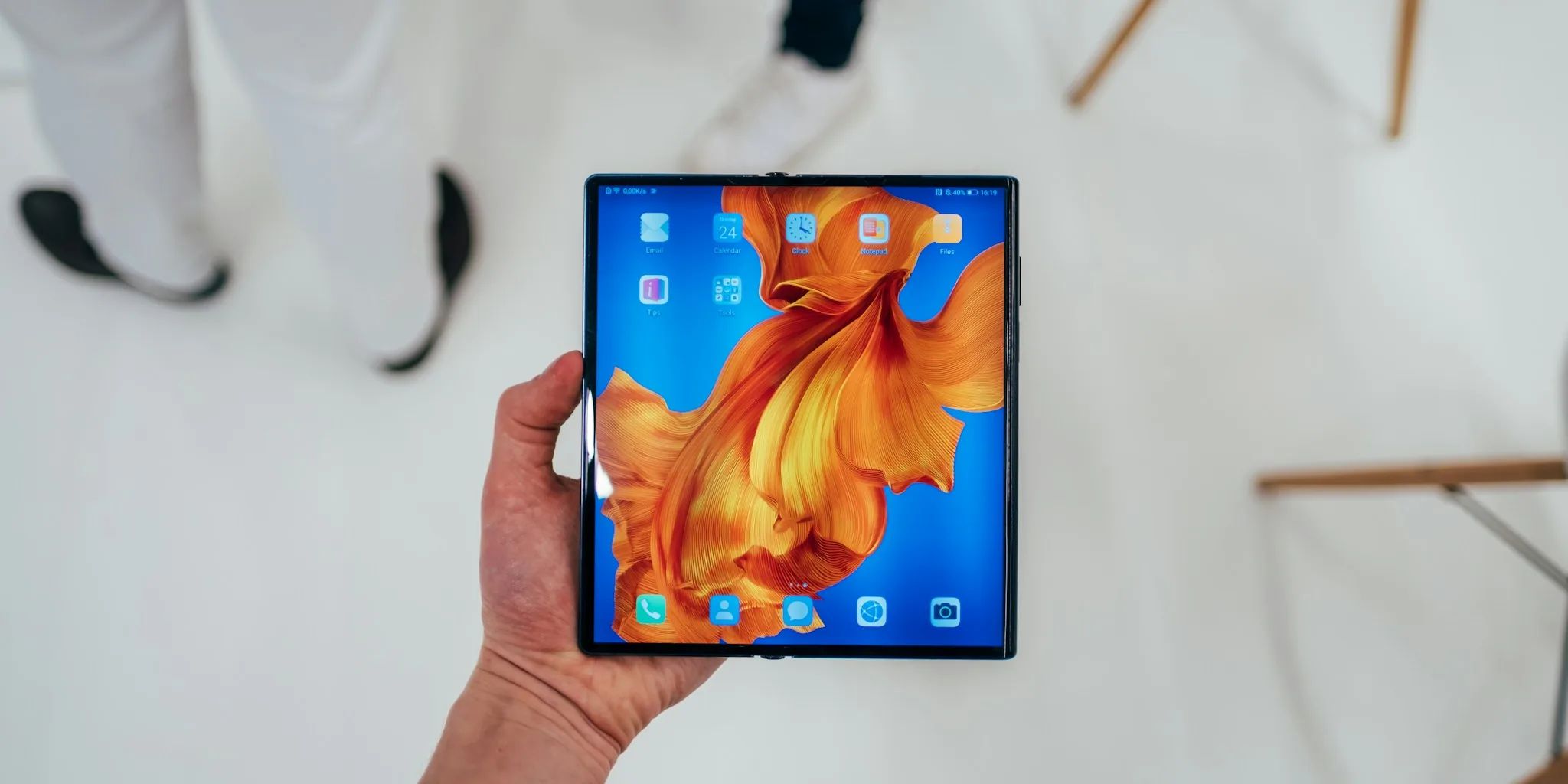
Apple is about to shake up the smartphone landscape. The company’s long-anticipated entry into the foldable phone market arrives as a new chief executive takes the helm, introducing challenges and opportunities that will shape the industry for years to come.
A Leadership Transition at a Pivotal Moment
John Ternus officially became Apple’s CEO this week, succeeding Tim Cook after more than two decades leading hardware engineering at the company. The timing matters: his first major test comes less than two weeks away, when Apple is expected to unveil its first foldable iPhone alongside the iPhone 18 lineup.
Ternus rose through Apple’s ranks since joining in 2001, eventually overseeing the development of iconic products including the iPad, AirPods, Apple Watch and recent innovations in MacBook design. Industry analysts view his appointment as a return to Apple’s roots as a product-driven company, signaling the board’s intention to prioritize hardware innovation over other strategic shifts.
Cook, who led Apple for 15 years and grew the company to a $4 trillion valuation, now serves as executive chair. His continued presence at Apple means established direction will likely remain intact, though Ternus will own the execution and results of upcoming launches.
The Foldable iPhone: Market Entry and Price Reality

Apple enters the foldable market years after competitors. Samsung now offers eighth-generation foldable models, Google has the Pixel Fold, Motorola produces the Razr Fold, and Chinese manufacturers including Oppo and Huawei have established footholds. Despite being late, industry research suggests Apple’s foldable could reshape the smartphone sector dramatically.
The expected price tag sits between $2,200 and $2,550, positioning the device as a premium offering for affluent early adopters. This hefty price reflects global component shortages driven by artificial intelligence infrastructure expansion. Analysts project Apple will capture approximately 40% of the foldable market within a year, potentially overtaking Samsung’s current dominance, though more conservative estimates suggest more modest adoption rates of around 3% of total iPhone sales.
Consumers should understand the foldable targets a different buyer than traditional iPhones. It bridges the gap between a smartphone and a tablet, appealing primarily to users who already purchase Pro Max models and want additional screen real estate. Survey data reveals only 25% of consumers express interest in a foldable iPhone, with most willing to spend around $780 on such a device. This misalignment between expected pricing and consumer willingness to pay suggests Apple is betting on a niche luxury segment rather than mass-market appeal.
Rising Smartphone Prices Across the Industry
The foldable iPhone isn’t the only device getting pricier. Industry projections indicate the entire iPhone 18 lineup will see increases of $200 to $250 compared to current models. This reflects a broader trend: most flagship smartphones released this year have risen by $100 to $200 due to component shortages.
The supply crunch stems from competition between smartphone makers and AI data centers for limited memory chips. Major technology companies continue reporting record profits while passing shortage costs directly to consumers. Analysts predict average smartphone prices will remain elevated well into 2027, effectively ending the era of affordable smartphones.
Apple faces strategic decisions about its product lineup. Rumors suggest the company may skip a standard base-model iPhone 18, instead launching it later in spring. This move would allow Apple to maintain full pricing on the iPhone 17 longer, rather than implementing the typical $100 discount on the previous generation. The resulting expansion from five iPhone models to six creates a more complex purchasing landscape for shoppers.
The AI Question and Device Capabilities

Beyond hardware, Ternus inherits Apple’s ongoing challenge in artificial intelligence. The company partnered with OpenAI and Google to bring ChatGPT and Gemini integration to iPhones after previous AI promises fell short. Apple’s new Siri AI, revealed at its software conference in June, includes improved voice recognition, writing tools and the ability to search screenshots and pull information from messages and emails.
Yet consumer surveys show AI features rank low as motivators for phone upgrades. Concerns persist about privacy implications, energy consumption of AI data centers, and whether AI truly addresses how people use their devices daily. Compact smartphone designs that prioritize practical performance continue attracting buyers more consistently than AI-focused features.
What This Means for Your Next Phone Purchase
For shoppers considering upgrades, expect premium pricing across the board. The foldable iPhone represents a luxury offering unlikely to become mainstream quickly. Standard iPhone models will cost significantly more than previous generations, regardless of substantial hardware improvements.
The transition from Cook to Ternus shouldn’t alter Apple’s fundamental strategy or timeline. However, the new CEO faces pressure to deliver innovation while justifying elevated pricing amid consumer skepticism about whether new features genuinely improve daily usage. Analysts expect Samsung to potentially overtake Apple in global smartphone market share by year’s end, making the coming launches critical for Ternus’s early tenure.
Shoppers should evaluate their actual needs against rising costs. The foldable phone remains a specialty device for specific use cases, not a replacement for traditional smartphones. And while component shortages may ease eventually, the structural shift toward higher smartphone prices appears permanent in the near term.
About the author
Eleanor covers smartphones for REMOVU, balancing cameras, battery life, and software support against price. She helps readers find the best value as the field shifts with every release.