Huawei Watch D3 Brings Real Blood Pressure Tracking to Smartwatches
A new Huawei smartwatch uses a shrunk blood pressure cuff instead of guesswork. Here's why it matters.
 By Kristen Jennings
Updated August 31, 2026
By Kristen Jennings
Updated August 31, 2026

The race to pack advanced health monitoring into wearables just reached a major milestone. Huawei has unveiled the Watch D3, a smartwatch that delivers genuine blood pressure readings without relying on estimation algorithms. This marks a meaningful shift in how wearable health devices approach one of the most important vital signs.
A Breakthrough in Wearable Health Technology
For years, most smartwatches have attempted to estimate blood pressure from optical sensors on the wrist. While convenient, these estimates often lack the accuracy needed for meaningful health tracking. The Watch D3 takes a fundamentally different approach by incorporating an inflatable strap with an embedded micro-pump, essentially shrinking the technology of a traditional blood pressure cuff onto your wrist. Huawei pioneered this approach in 2021 with the original Watch D and refined it in 2024 with the Watch D2, which added 24-hour ambulatory monitoring capabilities.
The new generation represents a significant refinement. The case thickness has been reduced to roughly 11.4mm, compared to 13.3mm on the previous model. This brings it to a form factor comparable to premium smartwatches like the Apple Watch Ultra. At the same time, Huawei upgraded the display to a 1.92-inch screen and packed in a 540mAh battery rated for approximately six days of use per charge. The device will be available in black, white, or brown strap options paired with silver or gold case finishes.
Enhanced Accuracy and Smart Health Features
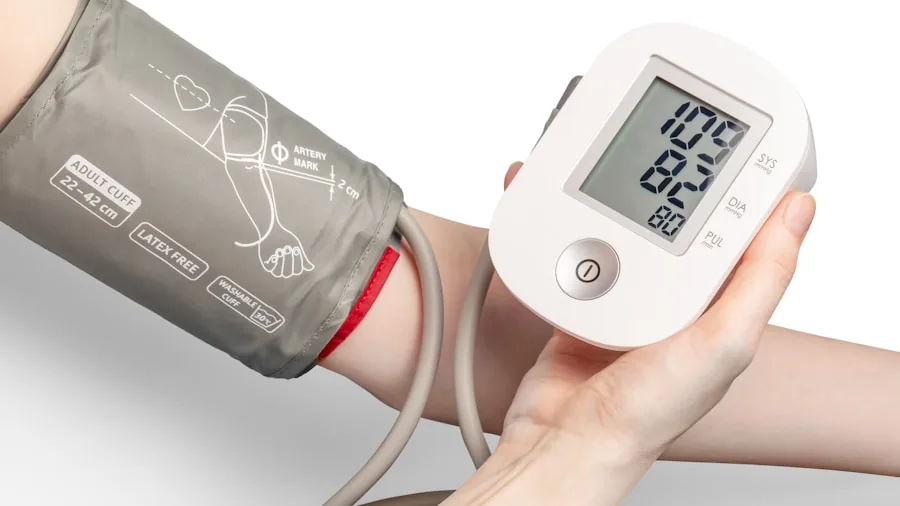
According to Huawei’s specifications, the Watch D3 delivers improved accuracy in blood pressure readings even when heart rate elevates. This is particularly important for people monitoring hypertension or preparing for exercise. The watch now includes a feature that recommends workout intensity based on your blood pressure readings both before and after physical activity, helping users make more informed decisions about exercise.
Beyond blood pressure, the device offers several new capabilities. It automatically prompts you to take a reading during sudden temperature changes or when you reach high altitudes, conditions that can affect cardiovascular stress. The watch also carries CE MDR certification, meaning it meets European medical device standards and can be considered a legitimate health tool rather than just a fitness accessory.
Additional features include richer Health Glance metrics that provide a comprehensive overview of your wellness status, upgraded sleep analysis, and expanded emotional wellbeing tracking. The watch sends alerts every 30 minutes to encourage regular health check-ins and maintains full functionality while you sleep, supporting overnight monitoring for conditions like sleep apnea or irregular heart rhythms.
What This Means for Shoppers
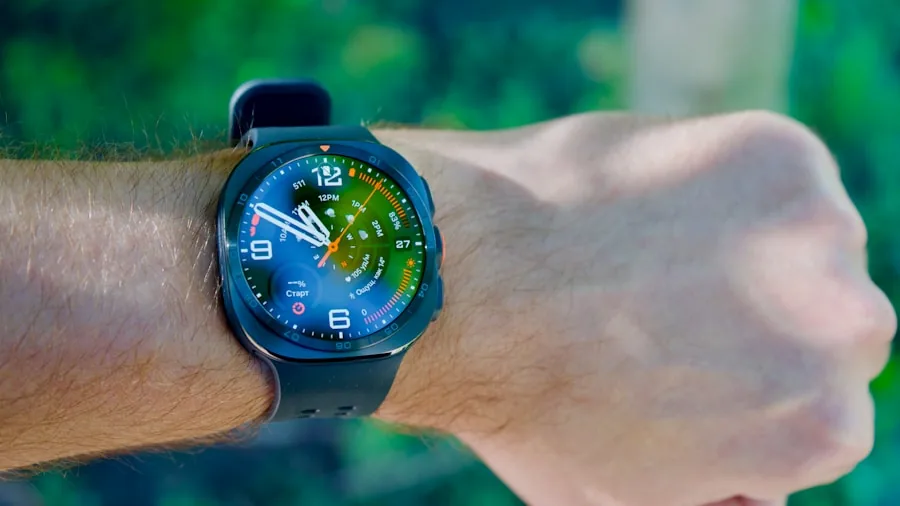
The Watch D3 represents an important option for people who take their cardiovascular health seriously. While Apple and other manufacturers continue exploring software-based hypertension alerts for future Watch models, they rely on algorithms rather than direct measurement. The Huawei approach offers genuine clinical-grade readings, which is particularly valuable for anyone with a family history of hypertension or those already monitoring blood pressure as part of their healthcare routine.
Priced around 449 Euros, the Watch D3 falls into the premium smartwatch category, putting it alongside high-end models available in the US market. However, a US release remains uncertain at this time. For shoppers in North America looking for smartwatches under $200 or premium options with robust health features, this development signals where the entire industry is heading: toward more direct, accurate health measurement rather than educated guesses.
The Broader Smartwatch Landscape
This launch comes as other manufacturers intensify their focus on health monitoring as a key differentiator. The ability to deliver accurate, certified medical-grade measurements gives Huawei a competitive advantage in markets where health tracking is a primary purchasing consideration. While the Watch D3 may not launch in all regions immediately, its existence validates the demand for more sophisticated cardiovascular monitoring on wearable devices.
For consumers evaluating smartwatches based on health features rather than brand loyalty alone, the Watch D3 demonstrates that alternative manufacturers can deliver compelling innovations. The convergence of thinner designs, longer battery life, and better accuracy suggests that the next generation of smartwatches will offer substantially more useful health insights than what’s currently available in most mainstream options.
About the author
Kristen writes about smartwatches for REMOVU, comparing features, battery life, and ecosystem fit. She helps readers tie together health tracking, notifications, and apps on the right watch.