GPU Prices Rise Sharply Again: What Buyers Need to Know
Graphics card prices surge again, with GeForce models taking the biggest hit. Here is what is driving costs higher.
 By Katrina Dean
Updated August 31, 2026
By Katrina Dean
Updated August 31, 2026
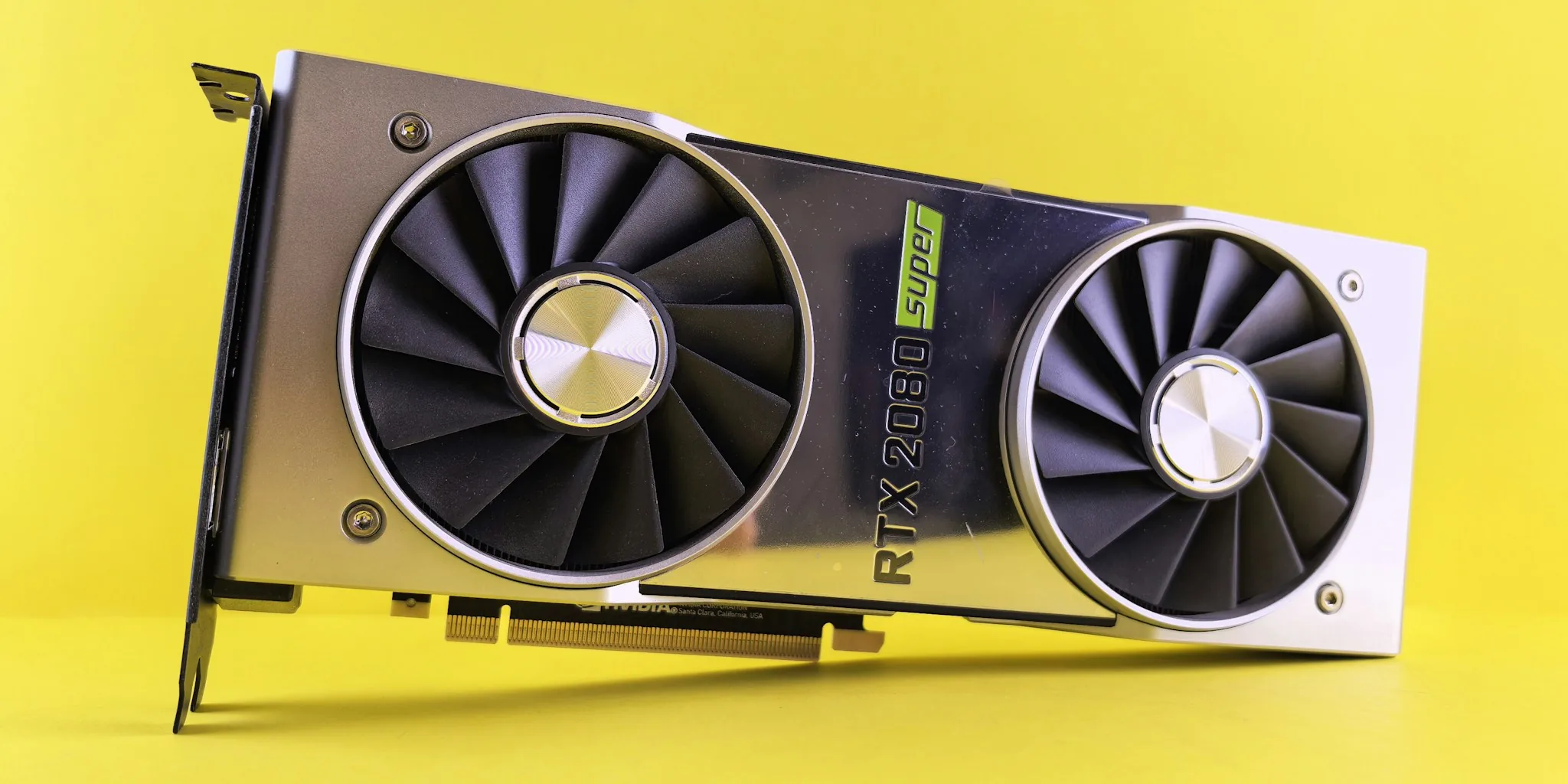
Graphics card prices have surged dramatically over the past month, marking a troubling reversal after a period of relative stability. Industry tracking across ten countries reveals that the average GPU price has climbed approximately 15% in just one month, with certain models experiencing even steeper increases. For anyone planning to purchase a graphics card in the coming weeks, understanding what is driving these price hikes and which products are affected most severely is essential to making an informed buying decision.
Entry-Level Nvidia GeForce Cards Hit Hardest
Entry-level GeForce models have absorbed the biggest impact from this latest pricing surge. The RTX 5050, which had remained relatively stable for months, now costs around 14% more than it did in July and 19% more than in February. In the United States, the card has drifted significantly above its suggested retail price of $249, with buyers now paying closer to $300 for base models.
The situation deteriorates further with the RTX 5060, which carries an MSRP of $300 but is now selling for approximately $450 in the US market. This represents a 51% markup above the official launch price. That pricing level approaches what you would have paid for a significantly more capable RTX 5060 Ti just months earlier, making the entry-level tier considerably less attractive for budget-conscious shoppers.
Mid-Range GeForce Models Experiencing Major Inflation
Mid-range cards are not immune to these pressures. The RTX 5060 Ti has fractured into two distinctly different pricing scenarios based on memory capacity. The 8GB variant sits approximately 32% above MSRP in the US, while the 16GB version has climbed to around $700, nearly approaching the launch price of the more powerful RTX 5070 Ti. This 50% to 62% premium for additional VRAM in a single tier reflects how aggressively memory costs are now affecting the entire market.
The RTX 5070 carries a 31% global markup over its suggested price and a 46% markup in the US specifically. The RTX 5070 Ti remains the third most overpriced GPU currently available, sitting 40% to 44% above MSRP depending on region. Meanwhile, the RTX 5080 has climbed to 38% above global MSRP, with the US particularly hard hit at 55% above suggested pricing.
The RTX 5090 Transcends Gaming Territory
At the flagship level, the RTX 5090 has entered absurd territory. Now priced near $5,000 in the US market, this card sits 145% above its $1,999 MSRP domestically and 136% above the suggested price globally. At this level, the card has effectively become a workstation and artificial intelligence accelerator rather than a gaming product. The extreme pricing reflects its 32GB memory capacity and specialized compute performance, which command premium valuations in professional computing segments.
AMD Radeon Escaping the Worst of Recent Increases
Advanced Micro Devices’ Radeon lineup has fared somewhat better during this latest surge. The RX 9070, in particular, stands out as one of the best-priced graphics cards currently available. This card carries a MSRP of $550 and includes 16GB of memory, yet remains just 13% above suggested retail pricing on average and only 15% above MSRP in the US. Over the past six months, it has appreciated just 5% from February levels, representing the smallest long-term increase of any GPU we are tracking.
The RX 9070 XT has also demonstrated relative resilience, rising 12% from July to August while remaining just 21% above MSRP globally. The RX 9060 XT models have experienced larger recent increases, with the 8GB variant rising 16% in one month alone, though both variants remain under 30% above their suggested prices. AMD’s use of GDDR6 memory rather than the more expensive GDDR7 found in Nvidia cards appears to be providing some cushion against memory-driven price inflation.
Intel Arc GPUs Battling Supply Constraints
Intel’s Arc Battlemage lineup faces a different challenge: availability. The Arc B570 is becoming increasingly scarce in most markets, with only sporadic retail listings. When available, it commands approximately 19% above MSRP in the US. The Arc B580, while slightly more available, now sells for 25% above suggested retail pricing. Despite these increases, Arc B580 remains competitively priced relative to entry-level GeForce options and continues to deliver value in the budget segment.
Memory Costs Are the Primary Culprit
The underlying driver of these price increases is straightforward: memory costs have skyrocketed. Analysis of actual dollar increases shows clear correlation between VRAM capacity and price increases. Sixteen-gigabyte models have climbed approximately $300, while 12GB cards have risen around $250, and 8GB variants have seen increases of $120 to $150. This pattern aligns closely with earlier industry projections about how tripled memory costs would translate to consumer pricing.
Nvidia’s reliance on premium GDDR7 memory makes GeForce cards particularly vulnerable to these cost pressures. AMD’s continued use of GDDR6 provides modest protection, though Radeon products will likely face similar increases as memory prices remain elevated throughout 2026.
What This Means for Your Purchase Decision
Buyers should recognize that these price increases show no signs of reversing in the near term. If you were considering purchasing a GPU for gaming or creative work, waiting is unlikely to yield better pricing. The RTX 5070 and RX 9070 currently represent reasonable value propositions despite their elevated prices relative to launch MSRP. Budget shoppers should carefully evaluate whether delaying purchase or exploring previous-generation alternatives might better suit their needs and budget constraints. For those requiring high-end performance, the price inflation at the premium tier is particularly severe, making a thorough cost-benefit analysis essential before committing to purchase at current market rates.
About the author
Katrina covers graphics cards for REMOVU, tracking gaming performance, features, and value as prices shift with every launch. She helps builders find the right GPU for their resolution and budget.