Huawei Mate XT 2 Tri-Fold Launch: What Buyers Should Know About the 2TB Foldable
New tri-fold phone features 2TB storage, improved durability, and stunning purple finish.
 By Eleanor Garcia
Updated August 31, 2026
By Eleanor Garcia
Updated August 31, 2026
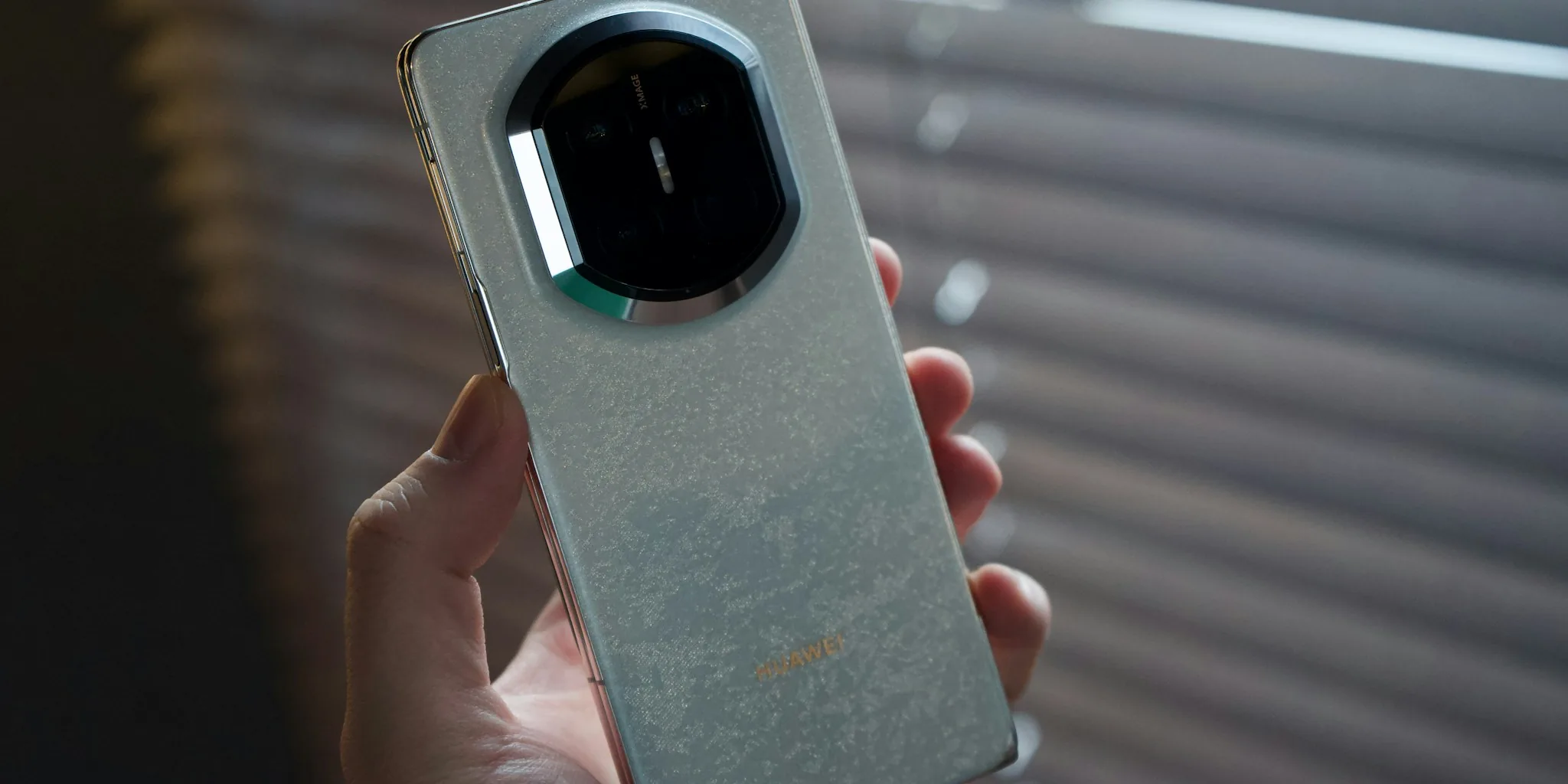
The tri-fold smartphone race is heating up as Huawei prepares to challenge Samsung’s vision of the future of mobile devices. The company has opened reservations in China for its Mate XT 2, with a full launch scheduled for September 7. While Samsung’s Galaxy Z TriFold has already exited the market, Huawei is doubling down on the tri-fold concept with significant upgrades that could reshape how consumers think about portable computing.
A Major Design Overhaul for Real-World Durability
Huawei’s original Mate XT featured a Z-shaped folding mechanism that left a portion of the flexible display exposed when closed. This design choice, while visually distinctive, raised legitimate durability concerns for everyday users. The Mate XT 2 addresses these worries with a complete rethinking of how the device folds.
The new model uses an inward-folding design on both sides, similar to the approach Samsung employed with its TriFold. A separate external screen handles standard smartphone duties, while the main 10-inch flexible display stays protected inside when the device is closed. This structural change means the delicate inner screen won’t face constant exposure to dust, debris, or accidental impacts during everyday use.
Durability appears to be a central focus for this generation. Promotional materials showcase the Mate XT 2 enduring repeated drops and pressurized water exposure, though Huawei has not yet disclosed an official IP rating. The company is clearly positioning this as a more rugged alternative to its predecessor, which matters significantly for a device at this price point.
Storage and Color Options That Stand Out
Every version of the Mate XT 2 includes 16GB of RAM, providing sufficient multitasking capability for power users. Standard configurations pair this with either 512GB or 1TB of storage, while a variant adds Huawei’s privacy-screen technology for users concerned about shoulder surfing in public spaces.
The standout configuration is the purple model, which bundles 16GB of RAM with a remarkable 2TB of internal storage, along with the privacy display and a stylus. This combination positions the device as a genuine portable workstation rather than simply a larger phone. For professionals who edit documents, manage large media libraries, or work with productivity software while traveling, this storage capacity eliminates reliance on cloud services or external drives.
Beyond specifications, Huawei is emphasizing aesthetic appeal. The device comes in Dark Black, Pure White, and Jin Purple, with the black and white versions featuring elegant gold-colored frames. The purple variant has generated particular excitement due to its premium appearance, setting a high bar for competing smartphones in the market.
What This Means for Pricing and Availability
Reservations remain limited to China for now, with standard configurations expected to ship by October 31. Huawei has not yet announced pricing for any configuration, but expectations are clear based on history. The original Mate XT launched at approximately 2,800 dollars, nearly identical to Samsung’s 2,899 dollar TriFold pricing. Despite the premium cost, the original model sold out following deliberately limited production.
Consumers should anticipate that the Mate XT 2 will command a comparable or potentially higher price tag, especially for the 2TB purple variant with stylus. The combination of tri-fold engineering, protective design, and substantial storage capacity justifies premium pricing, but availability outside China remains uncertain at this stage.
The Broader Foldable Market Context
Samsung is reportedly developing a successor to its TriFold with a redesigned hinge mechanism, though no official announcement has been made. This suggests Samsung views the tri-fold category as strategic for its long-term product portfolio, even though the original generation has been withdrawn from retail channels.
Huawei’s willingness to iterate quickly on its tri-fold design demonstrates confidence in this form factor. Rather than abandoning the concept after the first generation, the company is investing in meaningful improvements to durability and user experience. For shoppers contemplating a tri-fold device, the Mate XT 2 represents a more refined approach to a technology that is still finding its place in mainstream consumer electronics.
The tri-fold category remains niche and expensive, but competition between manufacturers typically drives innovation and eventual cost reductions. If Huawei’s second-generation device achieves strong sales in its home market, international availability becomes more likely. Buyers interested in cutting-edge foldable technology should monitor news around the September 7 launch event, as Huawei will reveal complete pricing, availability details, and technical specifications that will clarify whether this device suits their needs and budget.
About the author
Eleanor covers smartphones for REMOVU, balancing cameras, battery life, and software support against price. She helps readers find the best value as the field shifts with every release.