Major Retailers Deploy Parking Lot License Plate Cameras: What Shoppers Need to Know
Major retailers use license plate readers for loss prevention, but data sharing with police raises privacy questions.
 By Phyllis Holmes
Updated August 30, 2026
By Phyllis Holmes
Updated August 30, 2026
What Happened
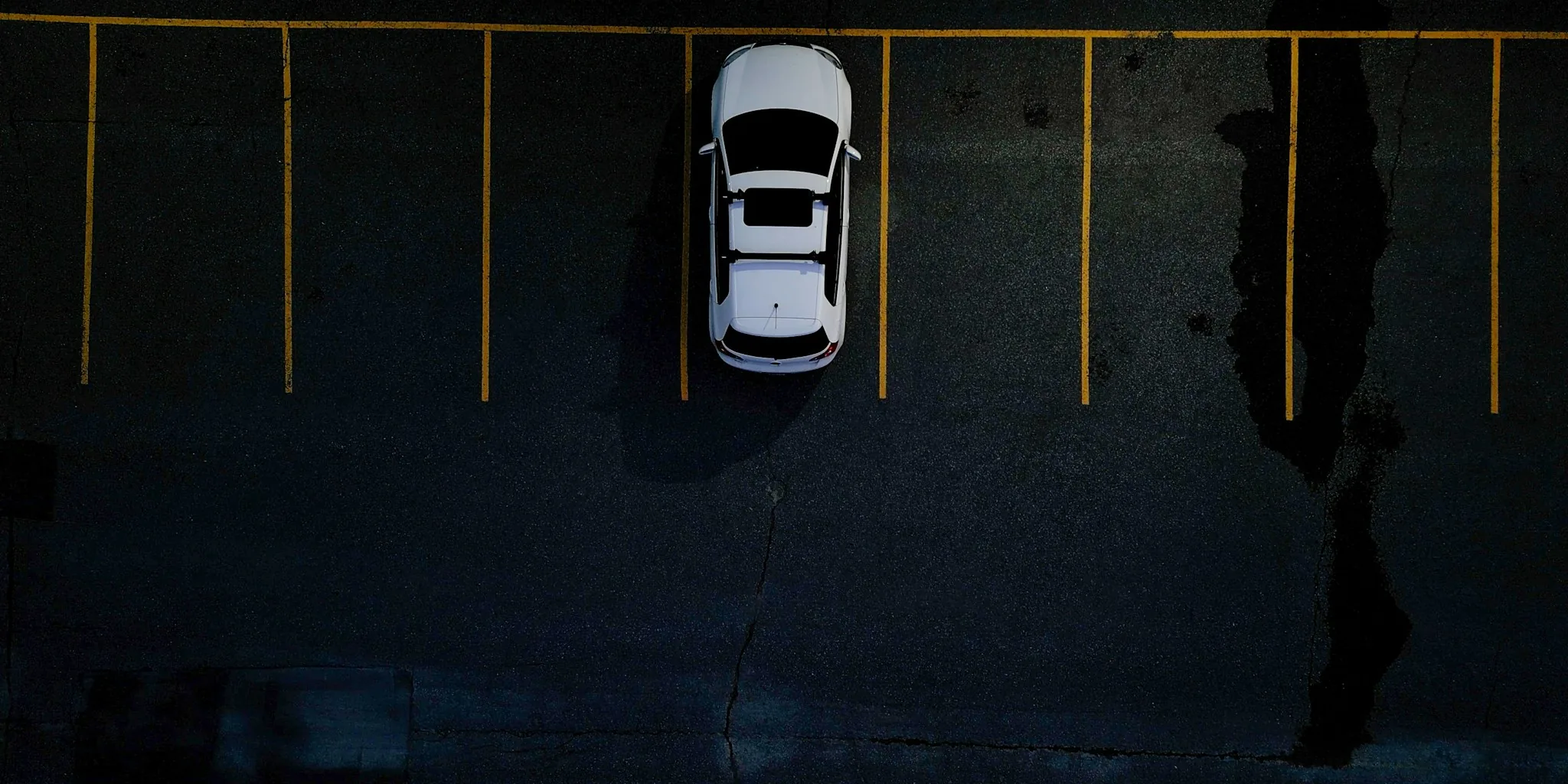
Two of America’s largest home improvement retailers have quietly deployed automated license plate recognition technology across their parking lots. Home Depot and Lowe’s have partnered with Flock Safety, a company that manufactures security cameras capable of capturing and cataloging every vehicle that enters their lots. These cameras, mounted on streetlights or solar-powered trailers, record license plates along with detailed vehicle characteristics like bumper stickers, damage, aftermarket wheels, and bike racks.
The technology creates what Flock calls a Vehicle Signature, using artificial intelligence to build searchable databases. This means law enforcement and authorized retailers can search for specific vehicles without relying solely on license plate numbers. The systems have already been credited with helping solve cases, including a $20 million money laundering scheme involving fraudulently purchased gift cards.
How Retailers Are Using the Data
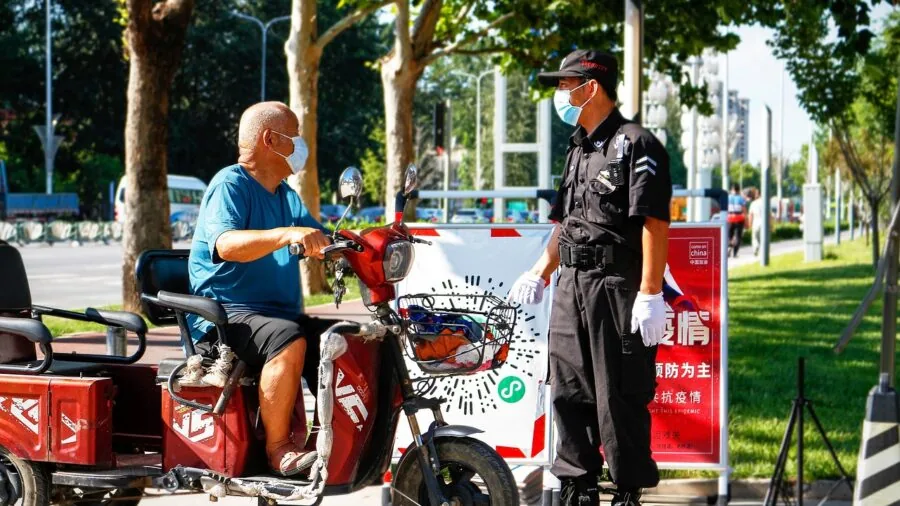
Both Home Depot and Lowe’s say their primary motivation is loss prevention and customer safety. Home Depot’s public statement emphasizes that the cameras detect and prevent theft while protecting customers and employees. The retailers can monitor their parking lots for known shoplifters, vehicle thieves, and individuals wanted in connection with fraud or other crimes affecting their operations.
However, the data doesn’t stay confined to the retailers’ security teams. Law enforcement agencies have access to this information, which expands the implications far beyond parking lot theft prevention. Records show that the Johnson County, Texas Sheriff’s Office, for example, can access data from more than 170 Lowe’s locations across multiple states and dozens of Home Depot locations within Texas.
Privacy Concerns and Data Sharing
While Home Depot claims it doesn’t directly share data with federal agencies like Immigration and Customs Enforcement (ICE) or Customs and Border Protection (CBP), investigations have revealed that these federal agencies routinely obtain Flock data through local police departments anyway. This creates a workaround that bypasses the retailers’ stated policies, and shoppers have little visibility into how their vehicle information is being used.
Lowe’s takes a different approach, openly sharing data with both local police departments and law enforcement agencies across state lines. The company has not provided the same assurances as Home Depot regarding federal agency restrictions.
Civil rights organizations have documented serious misuse of similar outdoor security cameras and license plate readers. Police officers have used the technology to track current or former romantic interests, and at least one documented case involved law enforcement using such data to investigate a woman who traveled out of state for medical reasons. These incidents underscore how powerful surveillance data can be weaponized against ordinary citizens.
What This Means for Shoppers
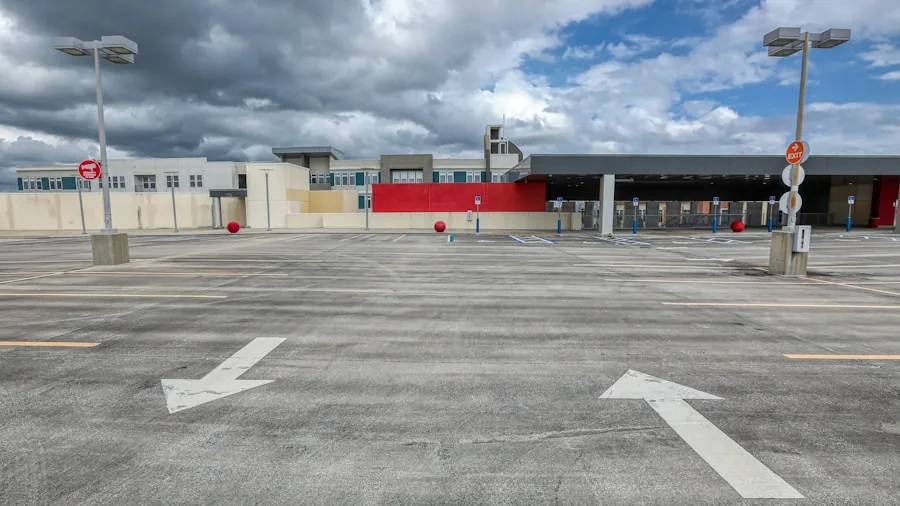
If you shop at Home Depot or Lowe’s, your vehicle is likely being photographed and cataloged each time you visit. The data created doesn’t disappear after one shopping trip. It accumulates, creating a detailed record of your movements and patterns that multiple agencies can access. Even if you’ve done nothing wrong, you could become subject to investigation based on how this data is searched or used.
The American Civil Liberties Union has found that even when local police opt out of federal data sharing, Flock retains contractual rights to share data with federal agencies directly. This means the retailers’ privacy commitments may offer less protection than shoppers assume. Additionally, the lack of transparency about data handling practices means few consumers understand the full scope of surveillance occurring in parking lots.
Growing Resistance and Future Changes
Privacy advocates and civil rights groups are pushing back against this technology. The Institute for Justice has launched the Plate Privacy Project to pressure lawmakers into imposing stricter regulations, improving data safeguards, and requiring companies to be transparent about surveillance practices. Some communities have begun vandal izing license plate readers in response to concerns about overreach.
Flock reports having over 5,000 law enforcement customers, making it a dominant player in the surveillance landscape. Whether mounting pressure will force Home Depot, Lowe’s, or Flock itself to change their data practices remains uncertain. Legislators are increasingly scrutinizing license plate reader technology, but comprehensive federal regulations have not yet been enacted.
Shoppers who are uncomfortable with this level of surveillance may consider shopping at retailers without such agreements, though finding alternatives that don’t use similar technology is becoming increasingly difficult. Understanding what types of security systems retailers deploy helps shoppers make informed decisions about where and how they shop.
About the author
Phyllis writes about security cameras for REMOVU, comparing video quality, smart alerts, and fair storage costs. She helps readers pick indoor and outdoor cameras they can rely on.