iPhone Ultra Launch: What Repair Costs Mean for Your Wallet
Screen repairs may cost $850 plus. Here is why this foldable phone s total cost of ownership matters.
 By Eleanor Garcia
Updated August 30, 2026
By Eleanor Garcia
Updated August 30, 2026
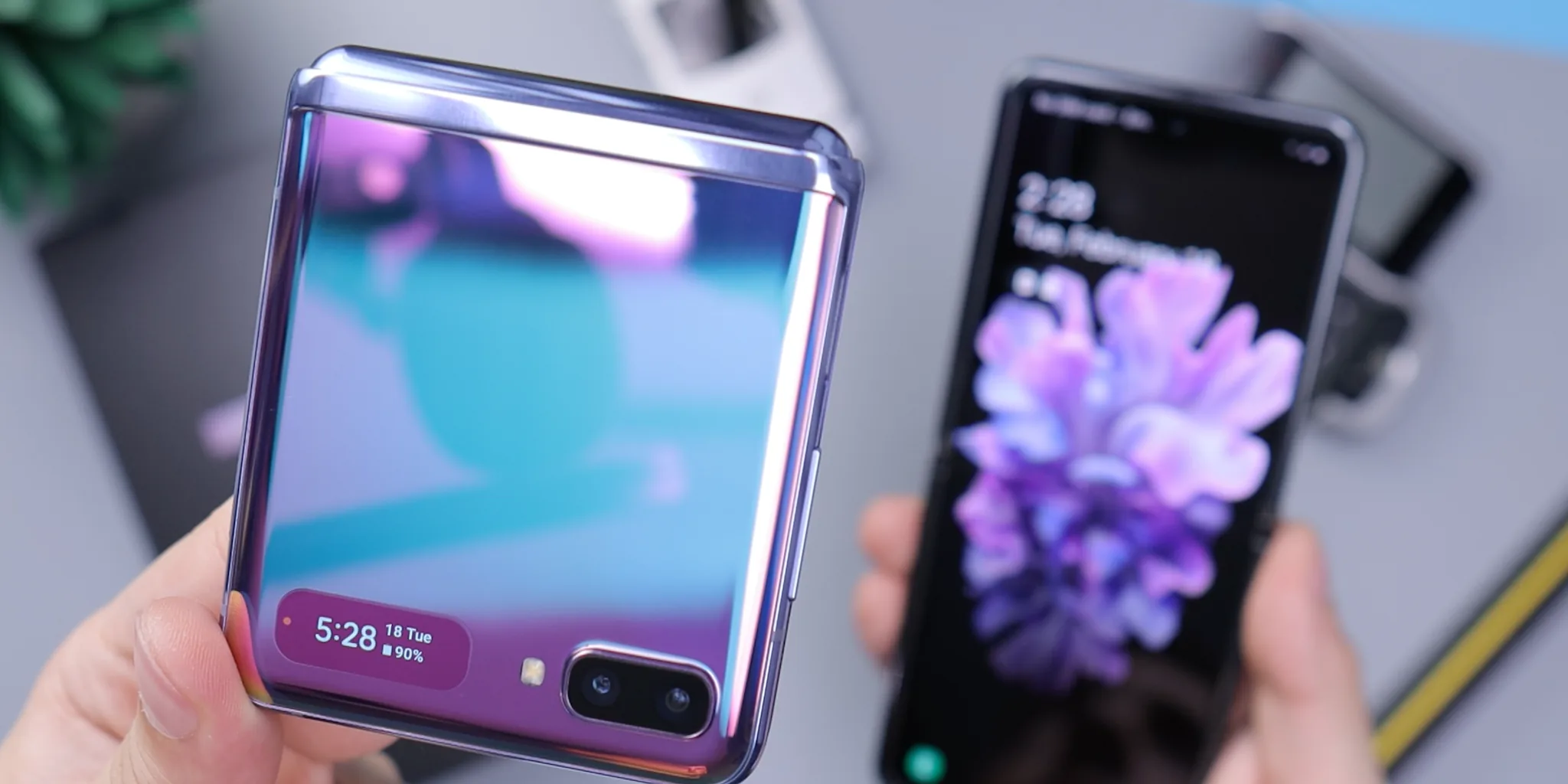
Apple is widely expected to unveil its first foldable iPhone, tentatively called the iPhone Ultra, at an upcoming event in September. The device has already generated significant buzz among smartphone enthusiasts, but early assessments suggest that the upfront purchase price may be only the beginning of what this device will cost you over its lifetime.
The Hidden Cost of Foldable Innovation
The iPhone Ultra is rumored to carry a price tag between $2,000 and $2,500, positioning it as one of the most expensive smartphones ever released by the company. However, repair experts warn that the real financial burden emerges when the device needs service. According to specialists at leading repair services, replacing the inner foldable display could run as high as $850 or more, making a screen replacement nearly equivalent to purchasing a brand-new iPhone outright.
This repair cost significantly exceeds what consumers pay for similar damage on competing foldable devices. Samsung’s flagship Galaxy Z Fold 8 Ultra charges $639 for inner screen repairs, while the standard Fold 8 model costs just $579. Apple’s higher repair expense stems partly from its reliance on Samsung Display for the foldable screen technology, which introduces additional licensing and complexity costs that get passed along to consumers.
Why the iPhone Ultra May Be Pricier to Fix
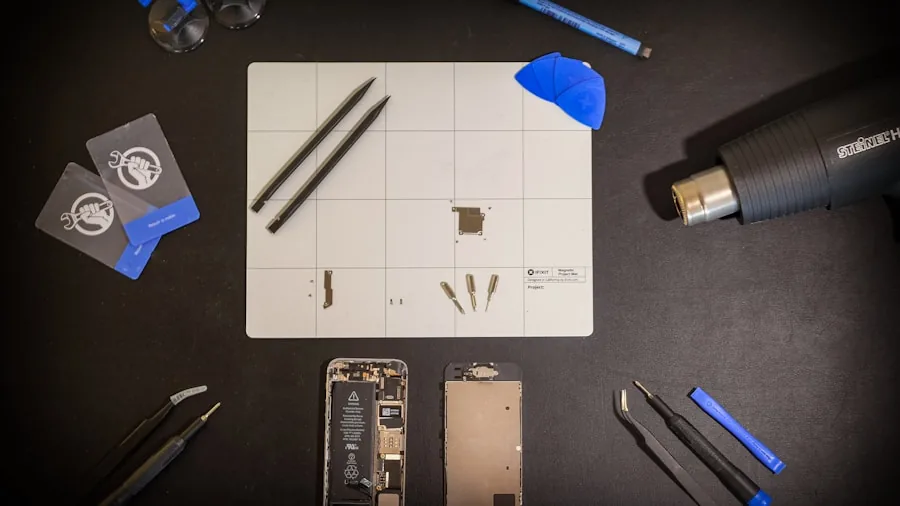
Beyond standard component costs, the iPhone Ultra is expected to incorporate advanced technologies such as a liquid metal hinge designed to minimize the visible crease on the foldable display. These cutting-edge innovations require specialized knowledge and proprietary parts, driving up the total cost of repairs. Repair specialists anticipate that Apple will charge significantly more than Samsung does for equivalent service, despite both companies using similar underlying foldable display technology.
The situation becomes even more complex when considering that Apple handles all its repairs and support exclusively through official channels and certified partners. This vertical control means there are no alternatives for consumers seeking lower-cost repair options, unlike with some Android devices where third-party repair shops can offer competitive pricing.
AppleCare Plus Becomes Essential, Not Optional
Apple’s AppleCare+ protection plan typically costs under $10 per month for standard iPhones, but industry analysis suggests the iPhone Ultra version could approach $136 annually. Even with this premium coverage, the monthly deductible for accidental damage repairs may hover around $29 rather than the standard out-of-pocket cost.
Without AppleCare+, a cracked inner display could easily cost $379 to $850 depending on the specific damage and any additional component failures. Repair experts warn that other damage scenarios, such as a broken power button with integrated Touch ID, could similarly carry premium service charges on the foldable model. For most consumers, the math strongly favors purchasing the protection plan despite its higher cost.
There remains uncertainty about whether Apple will impose annual or lifetime limits on AppleCare+ coverage for this device, which could further restrict its value compared to standard iPhone plans.
Long-Term Ownership Challenges

Beyond repair economics, foldable smartphones historically experience steeper depreciation curves than traditional phones. Initial reports suggest the iPhone Ultra could lose more than half its resale value within the first year, meaning that combining the purchase price with likely repair expenses and protection plan costs could result in total ownership expenses exceeding $4,000 to $5,000 across a two-year period.
Apple’s late entry into the foldable market, occurring nearly a decade after Samsung introduced the first commercial foldable phone, may not provide the company with sufficient familiarity to avoid common first-generation reliability issues. Manufacturing complications have already been documented in early production batches, suggesting that durability concerns should factor into your purchasing decision.
Consider Your Priorities Before Purchasing
Prospective buyers must weigh whether the appeal of iOS on a flexible screen justifies these substantial financial commitments. The Galaxy Z Fold 8 Ultra costs $2,100, while Google’s Pixel 11 Pro Fold comes in at $1,899, both significantly less than the expected iPhone Ultra price. When combined with repair cost differentials, the total cost of ownership gap widens considerably.
For consumers who value iPhone compatibility across their devices and prefer Apple’s ecosystem, the iPhone Ultra will likely appeal despite these concerns. However, those seeking the best financial value from a foldable device should carefully compare repair pricing, warranty coverage, and long-term depreciation rates across all available options before committing your budget.
The iPhone Ultra represents a significant technological achievement, but iPhone users considering this premium device should approach the purchase with realistic expectations about total cost of ownership and plan accordingly with appropriate protection coverage.
About the author
Eleanor covers smartphones for REMOVU, balancing cameras, battery life, and software support against price. She helps readers find the best value as the field shifts with every release.