iPhone Charging Speed Lag: What Buyers Should Know About US vs Chinese Phone Standards
The charging speed gap between iPhones and Chinese brands reveals market structure differences and consumer priorities.
 By Eleanor Garcia
Updated August 29, 2026
By Eleanor Garcia
Updated August 29, 2026
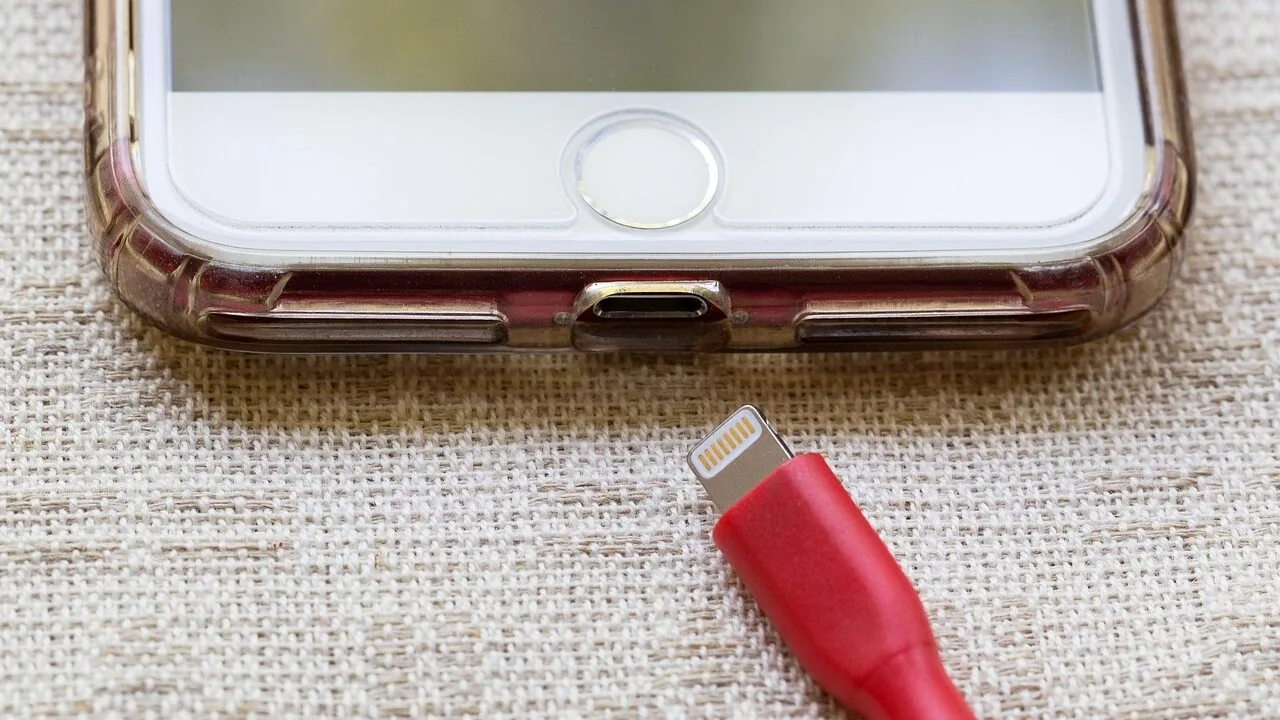
Apple’s latest flagship iPhones charge noticeably slower than competing smartphones from Chinese manufacturers, and the reasons behind this gap reveal fundamental differences in how the US and Chinese phone markets operate. Understanding these factors can help you make an informed decision when your next upgrade arrives.
The Charging Speed Gap Is Significant
The iPhone 17 Pro Max supports 45W wired charging, reaching a full charge in approximately 80 minutes under real-world conditions. Meanwhile, the Xiaomi 14T Pro, which costs roughly half as much and carries a similarly-sized battery, charges from empty to full in just 23 minutes using 120W charging technology. Even more dramatic examples exist: the Realme GT3 supports 240W wired charging and achieves a complete charge in under 10 minutes.
This isn’t a minor convenience difference. The Xiaomi charges four times faster than Apple’s premium flagship, yet remains significantly less expensive. Smartphones from Chinese brands consistently demonstrate charging capabilities that dwarf what both Apple and Samsung currently offer to Western consumers.
Market Structure Drives Innovation Differences

The root cause lies in how the US smartphone market differs from China’s hyper-competitive landscape. Apple dominates the American market with approximately 60% share, while Samsung controls around 22%. This two-company duopoly creates little incentive for either brand to aggressively innovate in areas like charging speed or battery capacity.
Samsung’s Galaxy Ultra line has relied on 5,000 mAh batteries since the original model launched in 2020 without meaningful upgrades. When Apple finally jumped from 27W charging to 45W for the iPhone 17 Pro series, the industry treated it as a major breakthrough. In contrast, China’s smartphone market includes dozens of competing brands fighting intensely for market share, forcing continuous technological advancement.
Chinese manufacturers each developed proprietary fast-charging standards, driving a competitive race that benefits consumers through faster capabilities. In North America and Europe, companies prioritize universal charging standards over proprietary speed advantages, which inadvertently slows innovation momentum.
Consumer Habits and Cultural Expectations Matter
American consumer behavior significantly influences charging technology adoption. According to consumer surveys, 64% of Americans charge their phones overnight, with 93% doing so at home. When users aren’t dependent on their devices while sleeping, whether a full charge takes 30 minutes or three hours becomes largely irrelevant to daily life.
Chinese consumers face fundamentally different circumstances. Fast-paced urban lifestyles mean many people need to top up their phones multiple times throughout the day. Public charging stations exist in subways, buses, cafes, and scattered throughout city centers. Quick charging capabilities are embedded into the cultural smartphone experience, making 120W or higher charging speeds genuinely valuable rather than simply convenient.
This habit-driven demand explains why Chinese brands invest so heavily in charging technology: their customers actively desire and expect it. American shoppers have grown accustomed to slower charging as standard, reducing market pressure for rapid innovation.
When Will Apple and Samsung Catch Up
The gap will eventually narrow, though it requires time. Physical limitations exist for smartphone charging speeds, and Chinese manufacturers are approaching these theoretical maximums. At current speeds, adding more power produces diminishing returns for battery health and device safety. Most leading Chinese brands have settled on 100W to 120W as the optimal balance between speed and reliability.
Samsung recently introduced silicon-carbon battery technology in the Galaxy Z Fold 8 series, offering higher capacity while maintaining manageable charging times. Apple is expected to adopt similar technology for the iPhone 20. Since these advanced battery cells require stronger charging systems to maintain reasonable charge times, both companies will likely increase their charging wattages accordingly.
Industry analysts project that by 2030, the current charging speed disparity between iPhone models and Chinese competing devices could substantially disappear. Market dynamics shift slowly when one or two companies dominate, but consumer expectations eventually force change.
What This Means for Your Next Phone Purchase
If charging speed represents a priority in your smartphone decision, current market conditions clearly favor Chinese brands. Budget and mid-range options from manufacturers like Xiaomi, Realme, and others offer substantially faster charging than premium Apple or Samsung devices at lower price points.
However, if you value overall ecosystem integration, available smartwatches and accessories, or prefer Apple’s software experience, slower charging speed may represent an acceptable trade-off. Your personal priorities should guide your decision rather than assuming that faster charging automatically means a better device.
The charging gap reflects market structure and consumer expectations rather than technological limitations. As competition eventually intensifies and consumer demand increases, expect Apple and Samsung to accelerate their charging technology roadmaps in coming years.
About the author
Eleanor covers smartphones for REMOVU, balancing cameras, battery life, and software support against price. She helps readers find the best value as the field shifts with every release.