iPhone Battery Life vs Android Flagships: What Shoppers Need to Know About the Latest Comparison
Premium Android phones fall short against iPhones in battery endurance. See how real usage compares.
 By Eleanor Garcia
Updated August 26, 2026
By Eleanor Garcia
Updated August 26, 2026
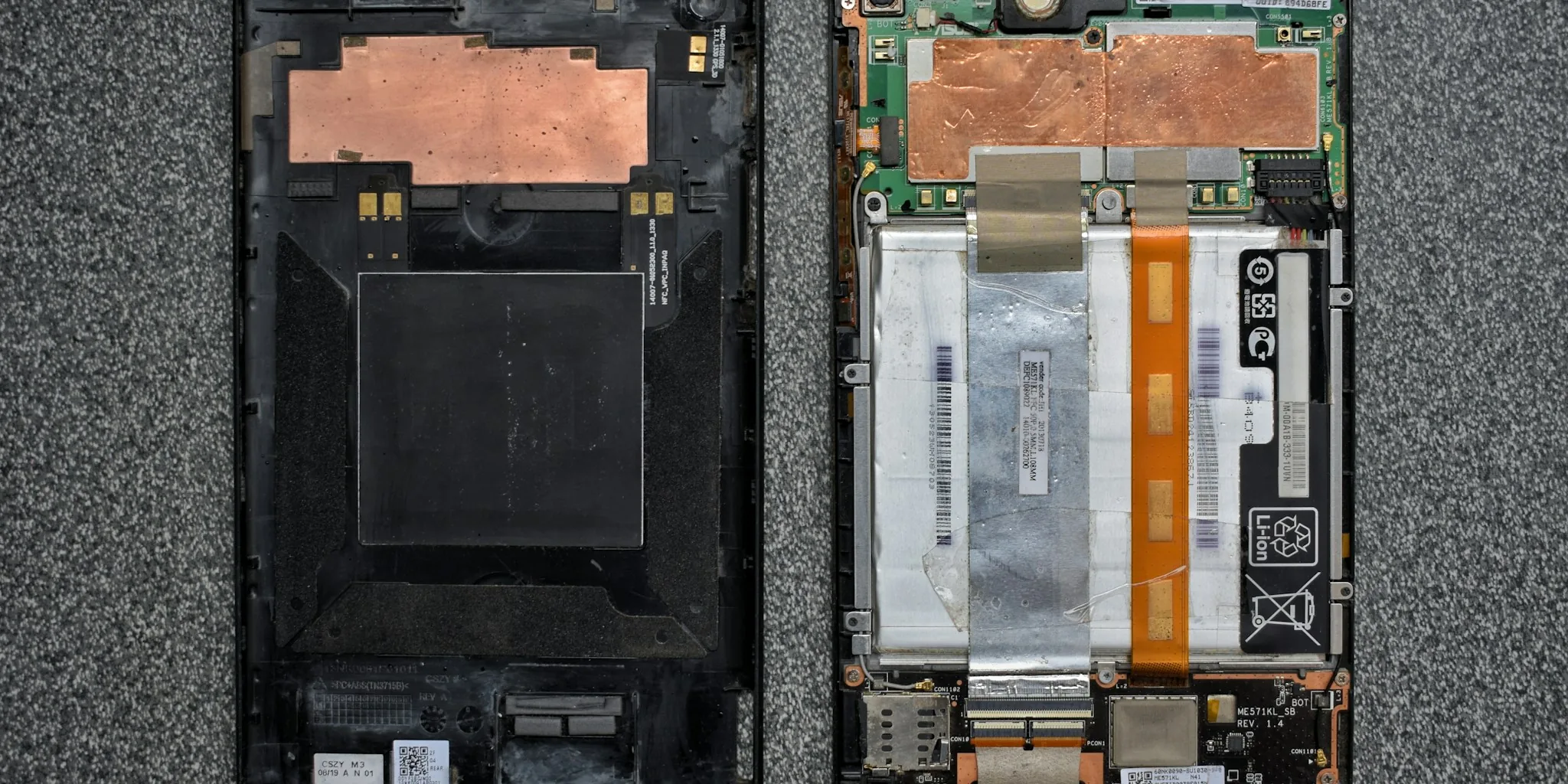
The smartphone landscape continues to shift as manufacturers launch new flagships with increasingly ambitious claims about efficiency and performance. Recent reviews comparing premium Android devices with the latest flagship smartphones reveal significant differences in real world battery endurance, something every shopper should understand before making a purchase decision.
Android Flagships Face Battery Reality Checks
Google’s latest premium smartphone has drawn scrutiny over its battery performance in early usage reviews. The device features a reduced battery capacity of 5,115mAh, down from the previous generation’s 5,200mAh, paired with a processor claimed to be up to 20% more power efficient. However, early data suggests the improvements may not translate to meaningful gains in everyday screen time.
Initial reviews document approximately 5 to 6 hours of screen on time during typical usage patterns including browsing, messaging, and photo capture. This performance comes despite aggressive artificial intelligence powered battery management systems designed to maximize runtime. For consumers, this represents a critical consideration: manufacturers can only do so much with software optimization when the underlying hardware has constraints.
How Android Compares to iPhone Performance
The battery gap between competing flagship platforms has become more pronounced. Samsung’s Galaxy S26 Ultra, equipped with a 5,000mAh battery, delivers approximately 5 to 6 hours of screen time under heavy usage and extends to roughly 8 hours with light usage. Apple’s iPhone 17 Pro Max achieves 5 to 7 hours during heavy usage scenarios, stretching to approximately 9 hours with typical daily activities.
This positions the latest Android releases at a disadvantage for shoppers prioritizing longevity between charges. The Pixel 11 Pro XL, despite its premium positioning and price tag, offers similar screen on time during light usage that competing phones deliver under moderate to heavy usage. That’s a meaningful difference when you’re relying on your device throughout a full day.
The OnePlus 15 demonstrates what’s possible with larger battery investments, delivering around 10 hours of screen on time, though this device remains unavailable in North American markets. This gap highlights how different manufacturers make distinct engineering choices, and those decisions directly impact your daily experience.
What Early Reviews Tell Shoppers
When evaluating flagship devices, battery capacity tells part of the story but not the complete picture. Reviewers emphasize that new devices rarely achieve peak efficiency during initial charge cycles. Adaptive Battery features and AI powered power management systems require usage data about your habits, app preferences, and daily routines before they can optimize effectively. This means battery performance may improve over the first few days as the device learns your patterns.
However, shoppers shouldn’t wait indefinitely for optimization. By most accounts, the improvements from initial performance to optimized performance fall within the 10 to 15 minute range for screen on time, not enough to dramatically close the gap with competitors. If a device starts below your threshold for acceptable daily usage, modest software improvements won’t solve the fundamental issue.
Making Your Purchase Decision
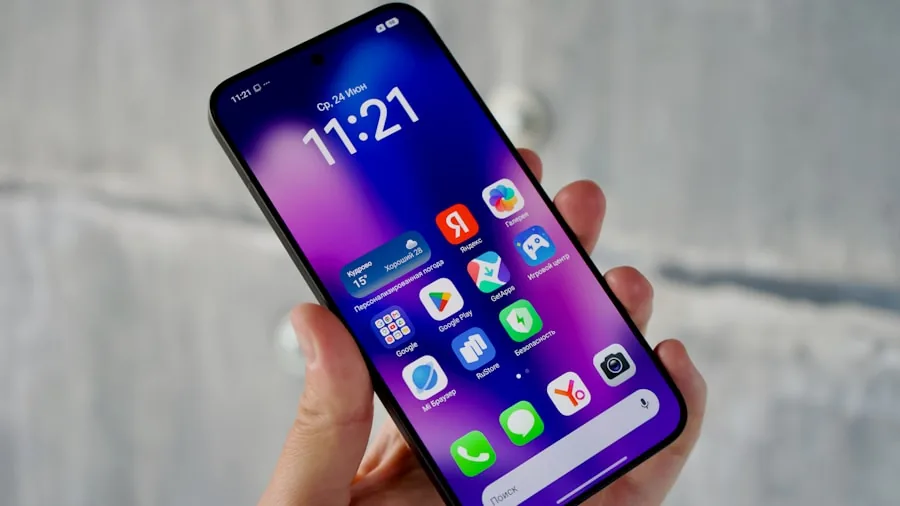
Battery life remains one of the most practical specifications when choosing a flagship smartphone. Rather than relying on manufacturer claims alone, look at documented real world performance data from multiple sources. Consider your actual usage patterns: if you spend your day browsing the web, checking email, and using messaging apps, light usage estimates apply to you. If you game frequently or use demanding applications, heavy usage figures provide more relevant guidance.
The best wireless accessories for your phone can extend your overall experience, but they can’t replace solid battery performance. Premium price tags don’t guarantee superior battery endurance across all brands. Samsung, Apple, and Google each make different architectural choices that result in distinct real world outcomes.
For shoppers comparing smartwatches and accessories designed for flagship platforms, battery performance in your primary device should factor into your ecosystem decisions. If your phone requires midday charging, you’ll rely more heavily on companion devices to stay connected during afternoon hours.
Looking Forward
The smartphone market continues evolving, with manufacturers balancing smaller form factors, thinner designs, and premium pricing against practical concerns like battery longevity. As you evaluate your next flagship purchase, prioritize side by side comparisons of documented battery performance rather than marketing promises. Real world screen on time data, measured under consistent conditions across multiple days, provides more actionable information than efficiency percentages or processor comparisons.
Ultimately, a flagship device that leaves you searching for a charger by mid afternoon, regardless of its other capabilities, fails to deliver true value. Review the published data, understand your personal usage patterns, and choose accordingly.
About the author
Eleanor covers smartphones for REMOVU, balancing cameras, battery life, and software support against price. She helps readers find the best value as the field shifts with every release.