GoPro Mission 1 Pro ILS Launched: What Buyers Should Know About This Mirrorless Camera
GoPro enters mirrorless with the $699 Mission 1 Pro ILS. Learn what buyers should expect from this compact 8K camera.
 By Lawrence Hale
Updated August 26, 2026
By Lawrence Hale
Updated August 26, 2026
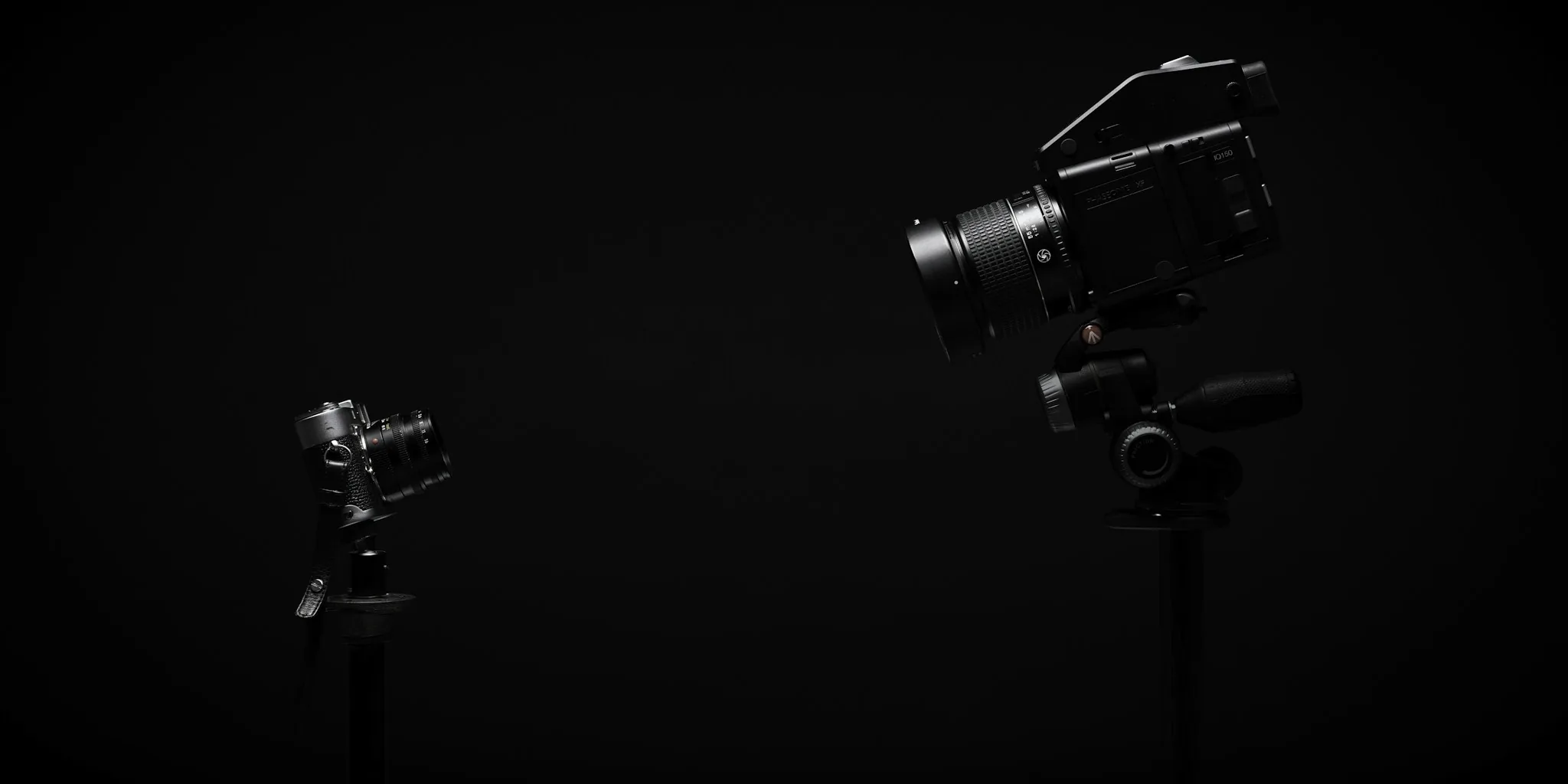
GoPro has officially entered the mirrorless camera market with the Mission 1 Pro ILS, marking a significant shift for the company known for action cameras. Pre-orders began on August 26, with availability starting September 2 at a price point of $699. This move represents one of the most anticipated product launches in the action camera space, finally bringing interchangeable lens capability to GoPro’s lineup.
The New Camera: Specs and Design
The Mission 1 Pro ILS combines GoPro’s proven action camera heritage with the flexibility of interchangeable lenses. The device features an 8K60 sensor paired with GoPro’s GP3 processor, the same core technology found in the fixed-lens Mission 1 Pro. What makes this model unique is its Micro Four Thirds lens mount, allowing shooters to swap lenses rather than being locked into a single focal length.
At just 197 grams, the ILS maintains the compact form factor that has made GoPro synonymous with mounting in tight spaces and unusual angles. The mirrorless design means filmmakers can capture perspectives that traditional cameras cannot easily access, from inside jars to confined environments where larger cameras simply will not fit.
What This Means for Shoppers
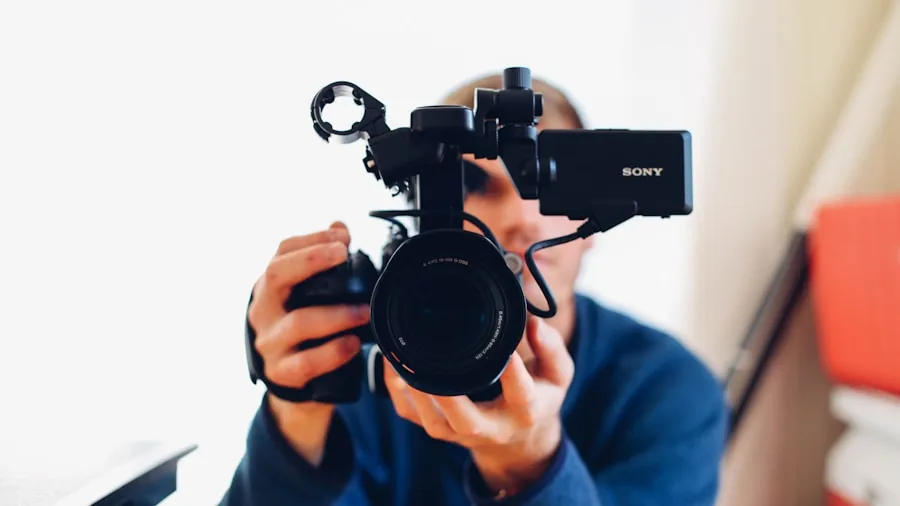
For consumers considering a mirrorless camera investment, the GoPro entry offers compelling value at its price tier. Mirrorless cameras worth buying for under $1000 are relatively limited when 8K recording capability is required, making this launch noteworthy for buyers seeking affordability without sacrificing resolution. The camera records in open gate format up to 8K30, with slow motion capabilities reaching 1080p at 960 frames per second in 10-second bursts.
GoPro’s signature video stabilization technology, HyperSmooth, transitions seamlessly into this new mirrorless format. The system delivers steady handheld footage with enough natural movement to maintain that point-of-view aesthetic without introducing jitter or distraction. This differentiates the ILS from many competing options in the affordable mirrorless segment.
Important Limitations Buyers Should Understand
The compact design and affordable price point come with meaningful compromises that shoppers need to consider before purchasing. The lens mount lacks electronic communication between lens and camera body, making this a manual focus-only device. This limitation eliminates compatibility with popular focus-by-wire lenses from brands like OM System and Panasonic, significantly reducing the available lens ecosystem.
Additionally, users must manually select the correct lens profile in the camera menu each time they swap lenses. Failing to complete this step degrades HyperSmooth performance, as the stabilization algorithm requires lens data to function optimally. This workflow differs substantially from modern mirrorless and DSLR cameras with seamless electronic integration.
The camera’s lightweight design creates practical restrictions: lenses exceeding 250 grams require external support systems including base plates and rods, adding to the total cost of ownership. GoPro has not published specific weight limits for traditional GoPro accessories paired with the ILS, leaving some ambiguity for buyers planning complex mounting setups.
Crop Factor and Focal Length Considerations
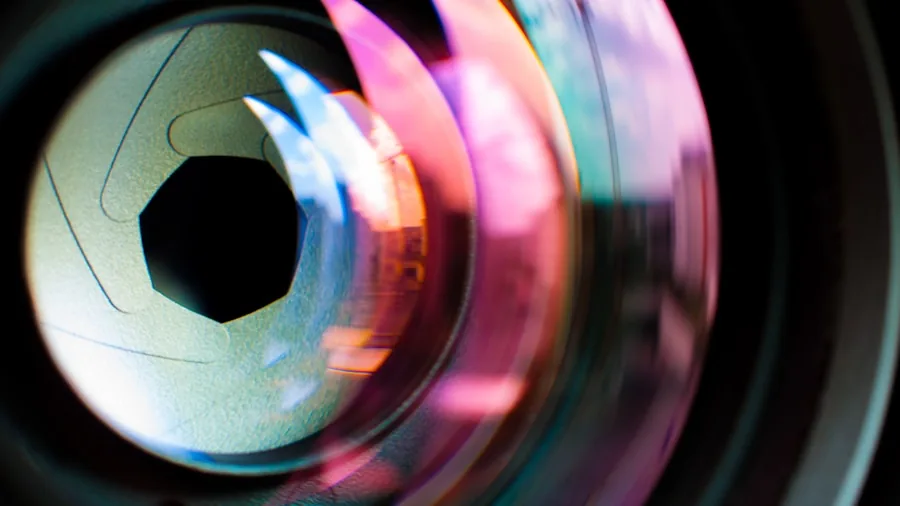
The combination of a one-inch sensor with a Micro Four Thirds mount creates a 3x crop factor. While this benefits telephoto and macro applications, it creates challenges for ultra-wide perspectives. The widest compatible lens on GoPro’s supported list is the Laowa 4mm f/2.8 Fisheye, which becomes equivalent to a 12mm wide-angle lens on this body. Buyers seeking extreme wide-angle capture may need to adjust expectations compared to traditional mirrorless options.
Video-First Approach
The ILS prioritizes video production over still photography. Still image capture includes processing delays that temporarily prevent consecutive shots, making this less suitable for photographers seeking rapid-fire capture. GoPro positions the ILS as a specialized tool within a multi-camera kit rather than an all-purpose replacement for traditional mirrorless bodies. This positioning clarifies the intended audience: filmmakers who value compact size and affordability over comprehensive still-shooting capabilities.
The device targets run-and-gun cinematographers and videographers who already incorporate manual focus workflows or follow-focus accessories into their productions. For content creators who prioritize portability, GoPro’s video stabilization, and straightforward operation, the Mission 1 Pro ILS delivers meaningful value at an accessible price. However, photographers and filmmakers expecting full electronic lens communication or extensive still-capture features should evaluate competing options before committing to this purchase.
About the author
Lawrence covers mirrorless and DSLR cameras for REMOVU, weighing image quality, autofocus, and lens ecosystems. He helps photographers choose a body they can grow with.