Foldable iPhone Demand Falls Short: What Shoppers Need to Know Before the Next Release
New survey shows three out of four Americans aren't interested in a foldable iPhone, even as Apple prepares to launch one.
 By Eleanor Garcia
Updated August 25, 2026
By Eleanor Garcia
Updated August 25, 2026
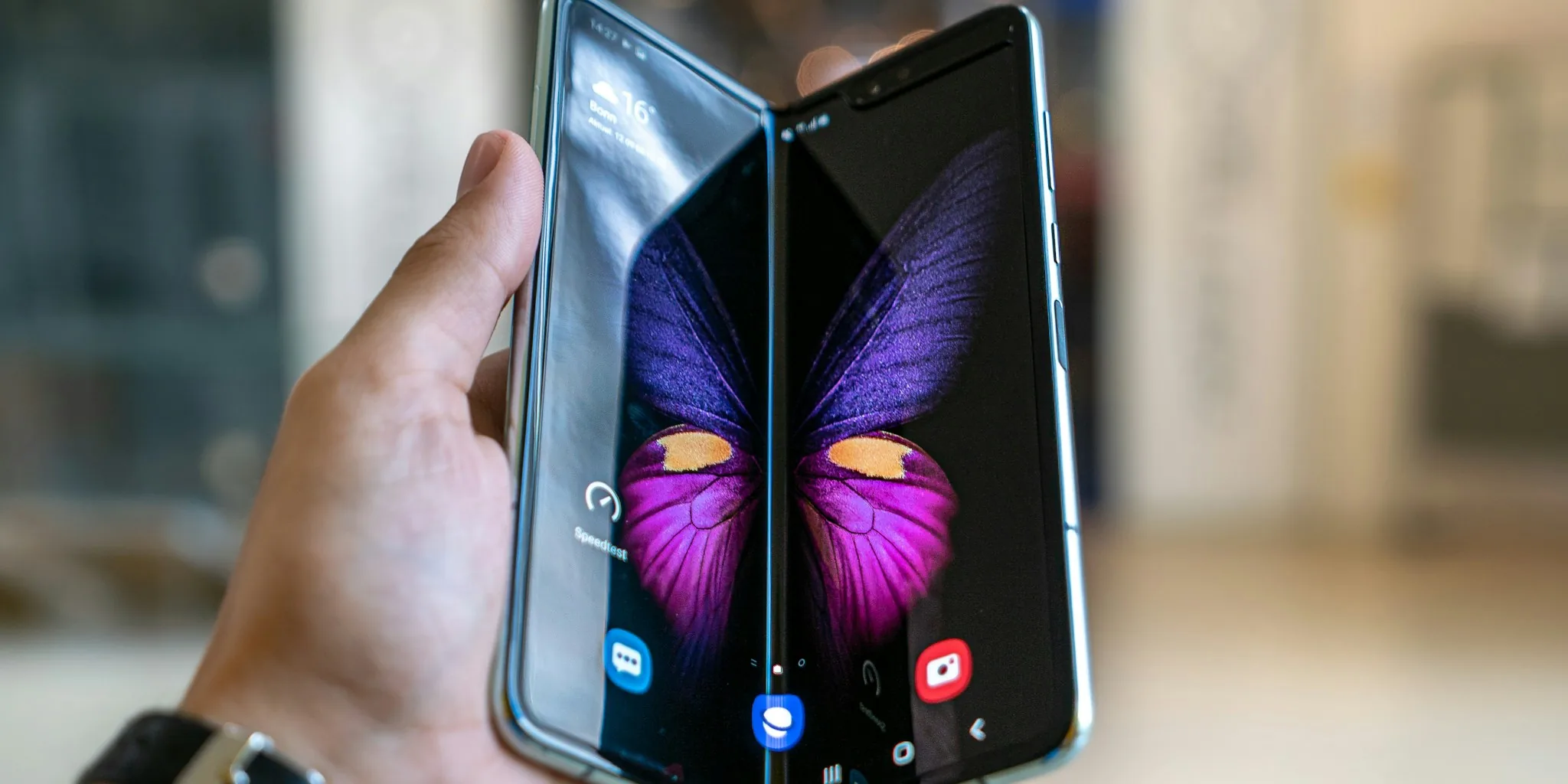
Apple’s rumored foldable iPhone, potentially named the iPhone Ultra, could debut within weeks at the company’s annual September event. However, a major consumer survey reveals a significant disconnect between what tech enthusiasts might expect and what the vast majority of US shoppers actually want.
Most Americans Aren’t Interested in a Foldable iPhone
A recent survey of 2,605 US adults found that three out of four respondents, or 75 percent, have no interest in purchasing a foldable iPhone. This lack of enthusiasm spans across all age groups. Older generations show the lowest interest, with 83 percent of Baby Boomers and 77 percent of Gen X dismissing the idea. Younger demographics aren’t particularly excited either, with 69 percent of Gen Z and 68 percent of millennials expressing disinterest.
Despite this apparent rejection, industry experts view the situation differently. The fact that 25 percent of consumers might consider buying a foldable iPhone represents a substantial market opportunity. This percentage could translate into a successful product launch if Apple captures even a fraction of interested buyers. The foldable iPhone isn’t intended to replace the standard model but rather to expand Apple’s lineup and offer options at various price points.
Expected Design and Features of the Foldable iPhone
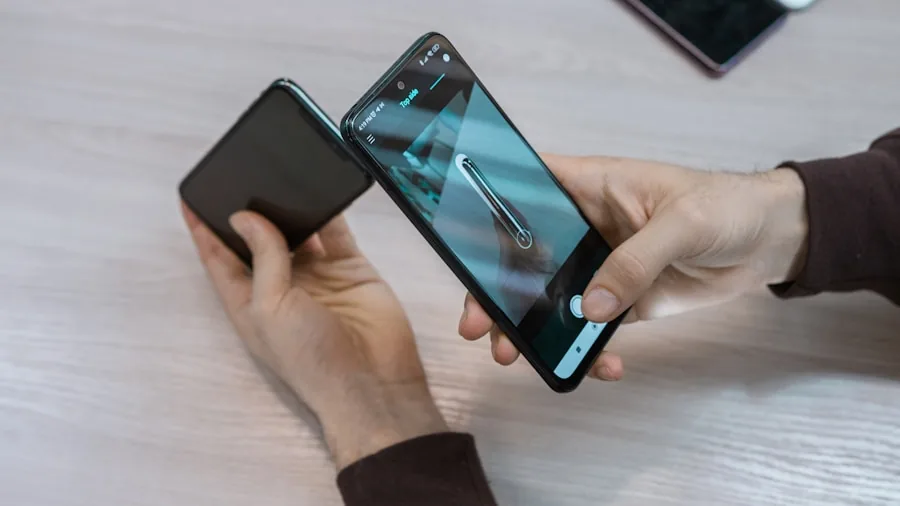
The rumored iPhone Ultra is expected to feature a book-style fold similar to competitors like the Samsung Galaxy Z Fold 8 and Google Pixel Fold. When closed, the device would function as a regular-size iPhone, but when unfolded, it would expand to approximately iPad dimensions. The camera system is anticipated to include dual rear-facing cameras and a single front-facing camera that remains functional whether the device is folded or extended.
Analysts project the phone will carry a price tag between $2,000 and $2,500, matching or exceeding existing foldable devices from other manufacturers. This premium pricing aligns with the cost of flagship foldables currently available in the market.
The Price Reality Check
Here’s where consumer expectations and projected pricing create a significant gap. The average US adult is willing to spend approximately $781 on a foldable iPhone. This figure represents nearly $50 less than the base model iPhone 17, which starts at $799. The disconnect becomes even more pronounced when examining generational spending patterns.
Gen Z demonstrates the highest willingness to pay, averaging $919. Millennials would spend around $859, while Gen X respondents averaged $690. Baby Boomers showed the lowest spending capacity at $572 on average. This data suggests that consumers recognize foldable technology comes at a premium but may underestimate how much manufacturers need to charge to make these devices profitable.
The price trajectory for foldable phones has shifted recently. Years ago, prices dropped significantly as manufacturers refined the technology. The Motorola Razr, for instance, launched at $1,400 but dropped to roughly $700 after discounts. Current pricing trends have reversed, with costs rising again due to supply chain pressures and increased manufacturing complexity.
RAM Shortages Impact Upgrade Plans Across the Board

Beyond specific concerns about foldable phones, broader market forces are influencing smartphone purchase decisions. A memory chip shortage affecting personal devices has prompted price increases across the industry. This supply constraint is causing 41 percent of US adults to reconsider their upgrade timelines, whether they’re considering a foldable model or any other iPhone.
Many consumers are exploring alternatives to minimize costs. Some are considering older or refurbished models, while others plan to switch to different brands entirely. A significant portion of shoppers now require promotional incentives, carrier deals, or trade-in credits before committing to an upgrade. Approximately 9 percent of consumers say they’ll only upgrade if a carrier promotion or trade-in covers most of the expense.
The broader trend shows that 22 percent of US adults don’t plan to upgrade anytime soon, regardless of new product announcements. This hesitation reflects genuine economic concerns about device pricing in the current market environment.
Smart Strategies for Your Next Phone Purchase
If you’re contemplating an upgrade, consider a few practical approaches. For users whose current phone functions well but has a degraded battery, replacement of the battery alone can extend device life by two to three years while avoiding hundreds of dollars in upgrade costs.
When shopping for a new device, timing matters significantly. The best deals typically emerge when manufacturers launch new models or during major holiday sales. Additionally, when trading in your existing phone, compare offers from multiple sources. Third-party reseller platforms often provide better trade-in values than carriers or manufacturers.
Used and refurbished phones deserve serious consideration, particularly models from one or two years ago that often carry substantial discounts. Be cautious with carrier promotions that advertise “free” phones, as these typically involve multiyear service commitments with pricing displayed as account credits rather than cash discounts. Breaking such contracts early can result in unexpected bills.
While wireless accessories and compatible devices might enhance your smartphone experience, focusing on the device itself and finding the right price point remains the primary concern for most shoppers navigating today’s market.
The foldable iPhone may eventually become a viable option for those with specific needs, but current consumer sentiment suggests mainstream adoption remains distant. Until pricing aligns with consumer expectations and the technology proves indispensable, the standard iPhone lineup will likely continue serving the majority of buyers’ needs effectively.
About the author
Eleanor covers smartphones for REMOVU, balancing cameras, battery life, and software support against price. She helps readers find the best value as the field shifts with every release.