AirPods 5 and iPhone Launch: What Shoppers Need to Know About Fall 2026 Release Timing
Apple's next wireless earbuds arrive alongside the iPhone 18 Pro and foldable model this fall.
 By Russell Howell
Updated August 25, 2026
By Russell Howell
Updated August 25, 2026
AirPods 5 Confirmed for September iPhone Event
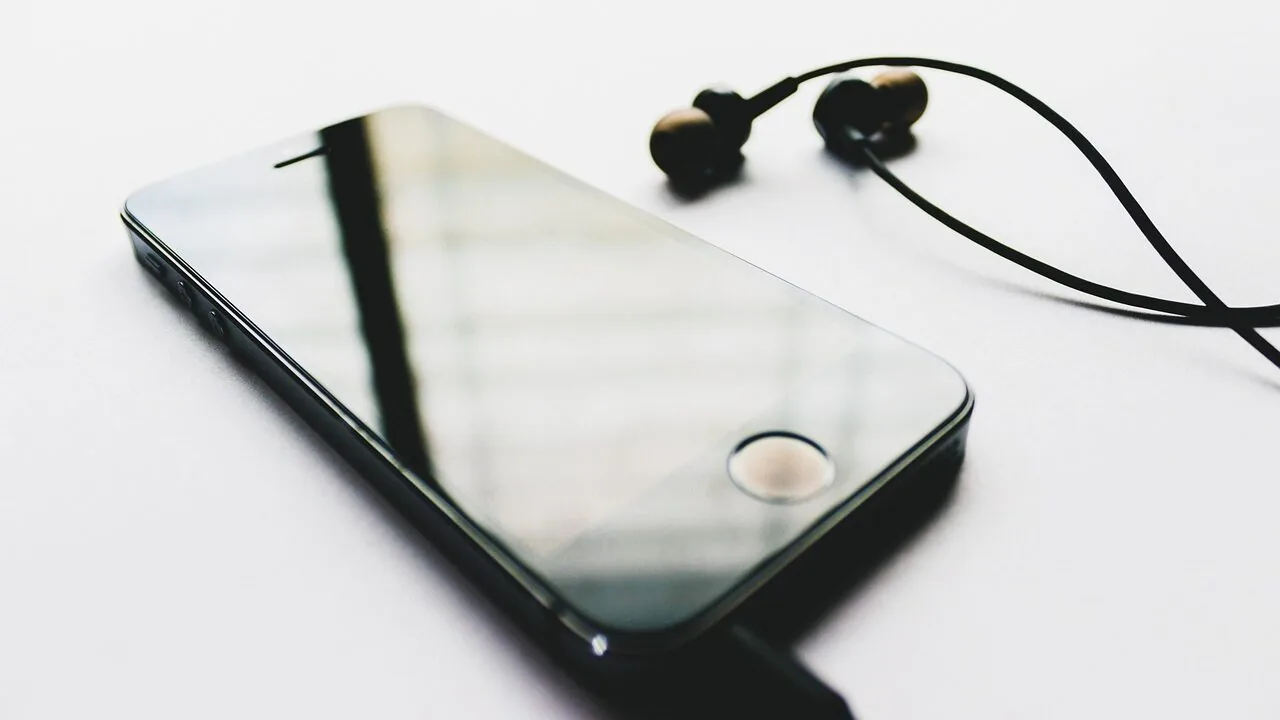
Apple is preparing to launch the fifth generation of its entry-level AirPods this fall, and the timing aligns with the company’s major iPhone announcement event. According to reporting from Bloomberg, AirPods 5 is expected to debut alongside the upcoming foldable iPhone and iPhone 18 Pro models, likely during Apple’s September 9 event. For anyone who has been waiting for an upgrade from older AirPods models, this coordinated launch window represents a significant opportunity.
The current AirPods 4 arrived in September 2024, making this a two-year refresh cycle for Apple’s mainstream wireless earbuds. The timing of a simultaneous iPhone and audio accessory launch is strategic, allowing shoppers to evaluate both products together and potentially bundle purchases during the event’s promotional period.
Software Evidence Points to New AirPods Models
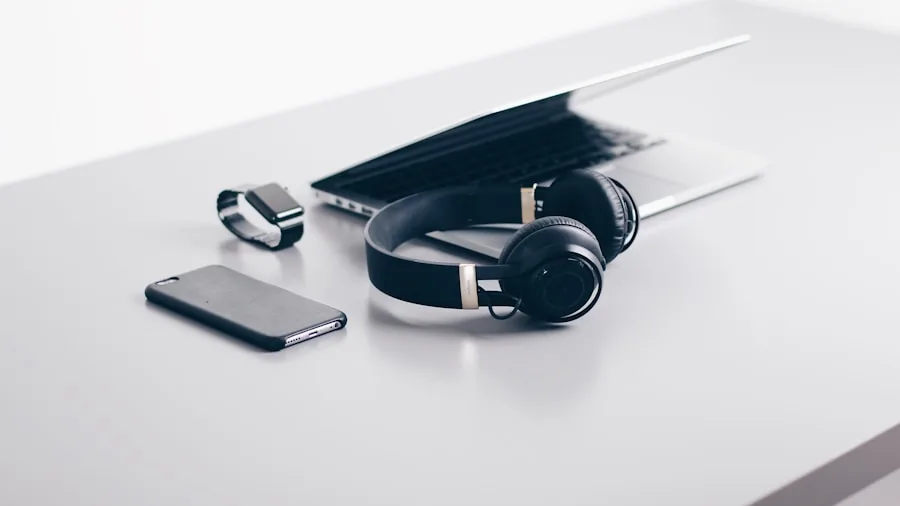
Developer builds of macOS Tahoe 26.7 have revealed references to unreleased AirPods 5 models, strengthening confidence in the launch timing. The software includes internal codenames B868M and B868E, which appear to designate a standard version and an Active Noise Cancellation variant respectively. This naming convention mirrors the structure of the current AirPods 4 lineup, suggesting Apple is maintaining its familiar product tier approach.
The presence of these codenames in operating system updates typically precedes official product launches by several weeks, giving consumers early confirmation that development is advanced. Beyond AirPods 5, macOS Tahoe 26.7 also referenced an unreleased Beats Solo Buds model, indicating that Apple has multiple audio product refreshes in the pipeline this cycle.
Hardware Upgrades Likely Coming
While specific improvements have not been officially announced, industry analysis suggests the H3 chip could receive an upgrade, potentially delivering enhanced sound quality and reduced latency during use. The current AirPods 4 use the H2 chip, so a generational bump would represent meaningful performance improvements for everyday listening and calls.
Apple has demonstrated a pattern of incrementally improving audio processing across its earbuds line, with each generation bringing refinements to noise isolation, spatial audio compatibility, and battery efficiency. The best wireless earbuds for iPhone users now span multiple price points, and AirPods 5 will likely maintain this brand’s position in the mainstream segment.
Camera AirPods Still Years Away
While leaked developer footage showed AirPods Pro 4 models equipped with cameras working alongside Apple’s Visual Intelligence feature, these variants remain firmly on track for 2027 or later. Supply chain challenges and software development delays have pushed the camera-equipped models beyond this year’s product cycle.
When camera-equipped AirPods eventually arrive, they will not function as traditional cameras. Instead, they will use low-resolution sensors designed to scan the user’s environment for contextual information. The implementation addresses privacy concerns by capturing environmental data rather than high-resolution images, though the exact capabilities remain under development.
What This Means for Shoppers

The convergence of iPhone and AirPods launches creates natural purchasing momentum heading into fall 2026. Consumers considering an iPhone upgrade will have the opportunity to evaluate complementary audio hardware in the same product cycle, potentially benefiting from bundled promotions or ecosystem incentives that Apple frequently offers during major events.
For those currently using older AirPods models or considering the best smartwatches for iPhone for every budget, the September timeline provides a clear window for planning upgrades. The availability of both standard and noise-cancelling versions within the new generation ensures that different listening preferences and budgets remain accommodated.
The broader product refresh cycle suggests Apple is maintaining momentum across its audio lineup while simultaneously reshaping priorities around smart glasses development and artificial intelligence features. This balanced approach demonstrates the company’s commitment to both established product categories and future-focused innovation areas.
Planning Your Upgrade Path
Shoppers should monitor the official Apple event announcement for confirmed specifications, pricing, and availability details. The September 9 date remains unofficial until Apple formally confirms the event, though industry sources have consistently pointed to this timeframe.
Early adoption typically offers advantages in terms of inventory availability and potential promotional timing, particularly when new audio products launch alongside flagship iPhones. Those currently satisfied with their existing AirPods may benefit from waiting for detailed specification comparisons before committing to an upgrade, as the improvements may prove incremental for casual listeners.
About the author
Russell writes about noise-cancelling headphones for REMOVU, comparing ANC strength, comfort, and sound for flights, offices, and commutes. He tracks which models justify their price.