Vivo X500 Series Launch: What Shoppers Need to Know About the iPhone Challenger
New Vivo flagship delivers record-breaking dynamic range sensor. Here's what it means for shoppers seeking iPhone alternatives.
 By Eleanor Garcia
Updated August 24, 2026
By Eleanor Garcia
Updated August 24, 2026
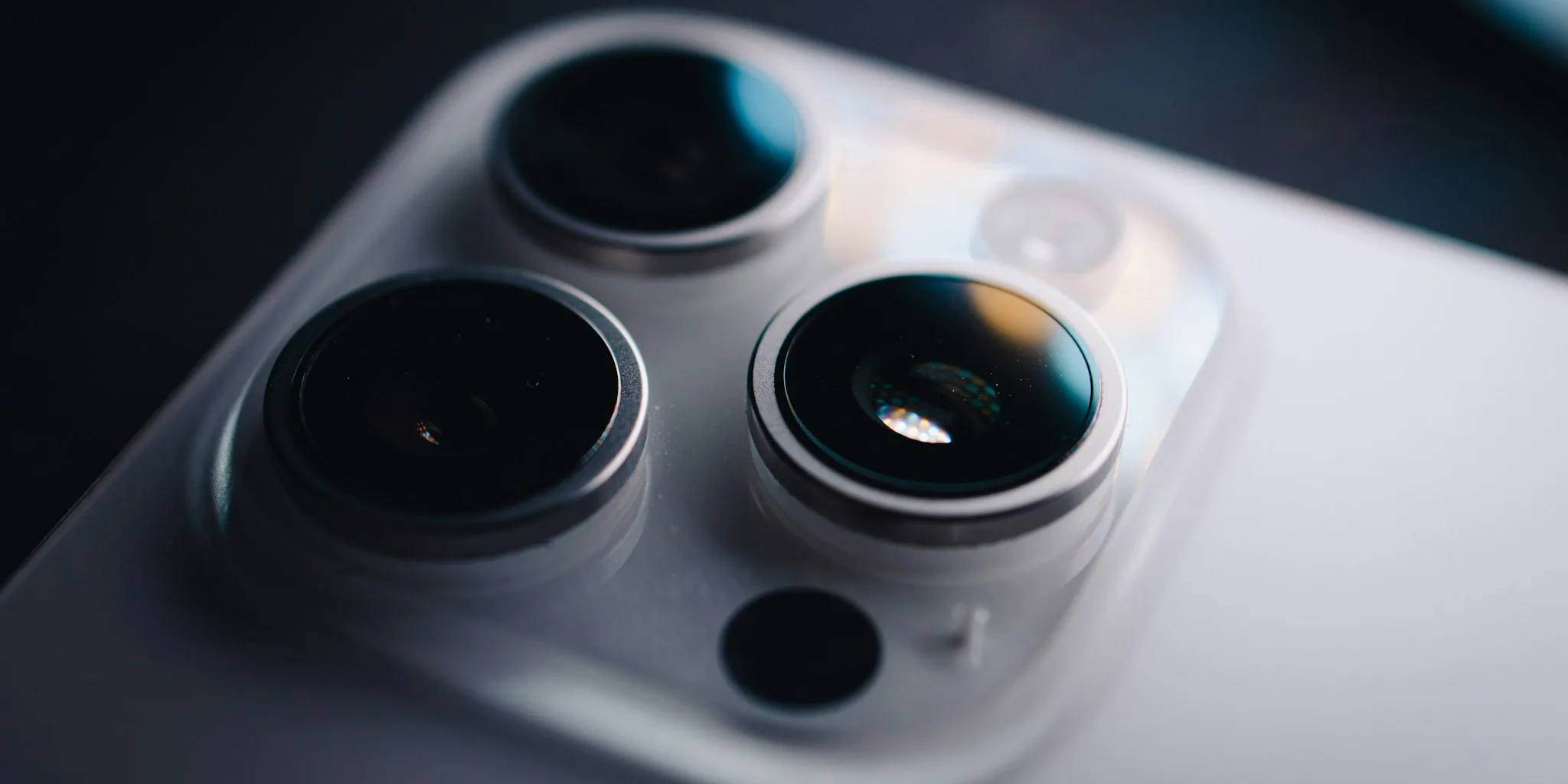
The smartphone market continues to heat up with major camera technology breakthroughs. Vivo has officially announced its X500 series, and the specs are turning heads among photography enthusiasts and everyday users alike. This launch arrives as the iPhone 18 Pro establishes itself as a premium option, making it an ideal moment to understand how emerging competitors are reshaping what shoppers should expect from their next upgrade.
Industry-Leading Dynamic Range Arrives
Vivo’s most significant achievement with the X500 series centers on a newly developed camera sensor co-engineered with Sony. The manufacturer claims this sensor delivers 17 stops of dynamic range, positioning it as the widest in the mobile industry. For shoppers unfamiliar with this specification, dynamic range determines how much detail a camera preserves in both bright highlights and shadowy areas simultaneously. A sensor with superior dynamic range means photographs retain natural appearance rather than displaying blown-out skies or converting darker regions into featureless black patches.
The sensor itself features 50-megapixel resolution and measures 1/1.28-inches physically, which represents a substantial size compared to sensors found in most competing smartphones. While some flagship devices now advertise 200-megapixel counts, this approach prioritizes quantity over quality. The Vivo approach emphasizes genuine sensor size and light-gathering capability, which experienced photographers recognize as more valuable for image fidelity than raw megapixel numbers.
Video Recording Excellence Emerges

Beyond still photography, the X500 series distinguishes itself through advanced video capabilities. Vivo engineered these devices to support 4K recording at 240 frames per second for slow-motion sequences, alongside 4K HDR video at 120 frames per second with direct HDR output. These specifications suggest the X500 series will appeal to content creators and videographers who demand professional-grade performance without purchasing dedicated cinema equipment.
The combination of expansive dynamic range and frame-rate flexibility means video shooters can capture footage across varying lighting conditions while maintaining smooth, fluid motion. This capability addresses a growing market segment where smartphone video production rivals traditional cameras for social media content and professional projects.
Understanding the X400 Series Gap
Observant shoppers may wonder why Vivo skipped the X400 designation entirely, moving directly from X300 to X500. This naming choice reflects tetraphobia, a cultural consideration prevalent across East Asian markets. Since the number four carries unfortunate associations in these regions, major manufacturers deliberately avoid it in product naming, similar to how Friday the 13th carries superstitious weight in Western culture. Other brands including OnePlus have adopted identical strategies, jumping from the 13 to the 15 model. While this may seem like marketing gimmickry, it demonstrates respect for customer preferences and cultural sensitivity in global product design.
Competitive Landscape and Availability
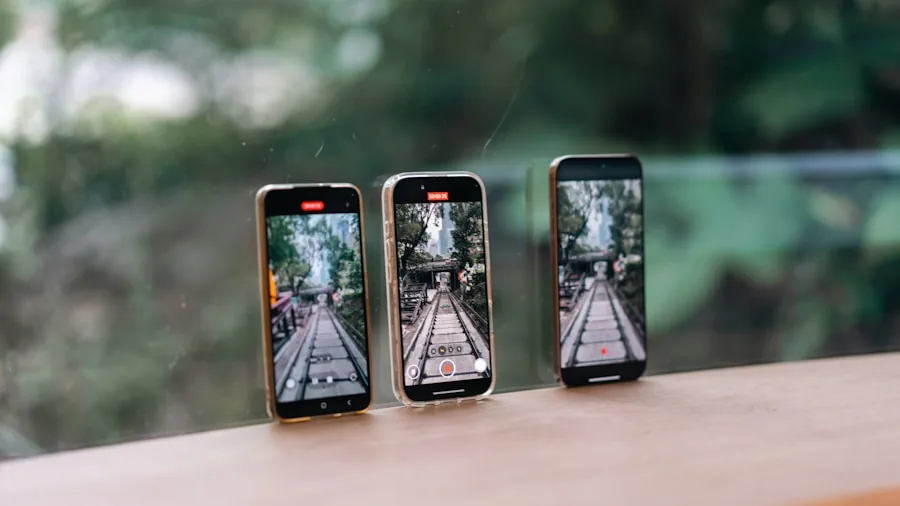
The X500 launch timing coincides with iPhone 18 Pro availability, intensifying competition in the flagship segment where both devices command premium pricing. Consumers shopping for smartphones will notice Apple and Samsung continue setting the pricing benchmark in the United States market. Both companies offer devices at similar price points, making promotional opportunities increasingly important for budget-conscious buyers. Shoppers interested in alternatives should monitor discount offers, particularly on established models like the Galaxy A series, which frequently receive substantial markdowns at major retailers.
Unfortunately, the X500 series will not receive official distribution throughout the United States. Enthusiasts determined to purchase these devices must navigate overseas retailers, international shipping logistics, and potential customs complications. This unavailability keeps the American market centered on Apple’s iPhone ecosystem and Samsung’s Galaxy lineup, limiting consumer choice for those seeking cutting-edge camera innovation from Chinese manufacturers.
What This Means for Your Next Purchase
The X500 announcement underscores an essential truth: camera technology remains paramount for flagship devices despite artificial intelligence’s current prominence in marketing messaging. Manufacturers recognize that shoppers investing four-figure sums demand tangible hardware excellence, not merely computational tricks. Software-driven photography solutions like those powering budget smartphone models offer impressive results through algorithmic processing, yet they cannot fully replicate the advantages of physically larger sensors and superior light capture.
For Americans evaluating their next purchase, this launch reinforces the importance of comparing actual sensor specifications rather than trusting megapixel counts alone. Whether selecting an iPhone or Galaxy flagship, understanding dynamic range, sensor size, and video recording capabilities provides a framework for evaluating genuine performance differences. The X500 series, while unavailable domestically, establishes new technical benchmarks that may eventually influence American market offerings as manufacturers compete for premium segments.
About the author
Eleanor covers smartphones for REMOVU, balancing cameras, battery life, and software support against price. She helps readers find the best value as the field shifts with every release.