Samsung Galaxy Watch 9 Launch: What Buyers Should Know About the Premium Smartwatch
Samsung's latest smartwatch excels at comfort and health tracking, but daily charging might be a deal breaker.
 By Kristen Jennings
Updated August 24, 2026
By Kristen Jennings
Updated August 24, 2026
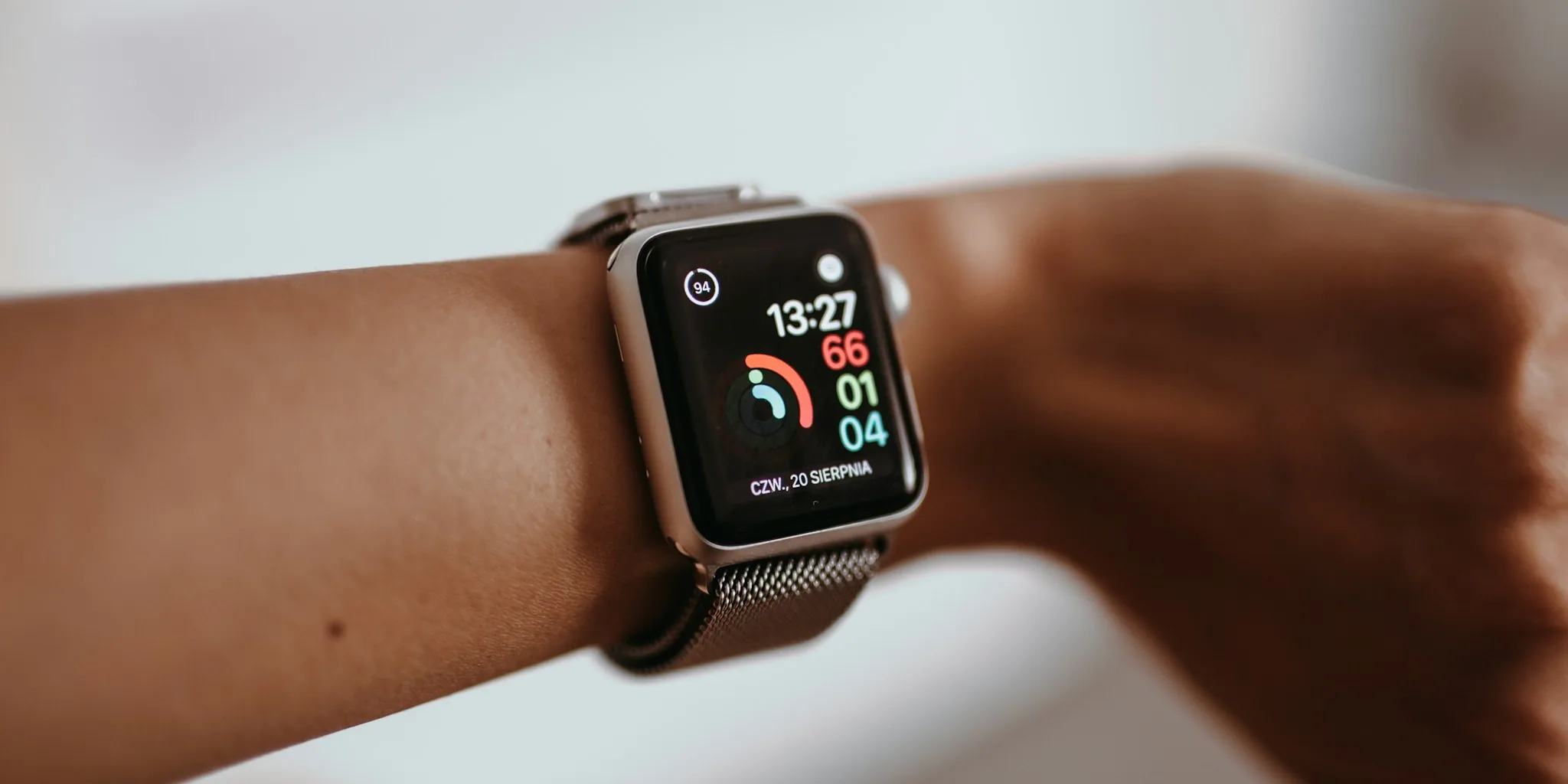
Samsung has officially released the Galaxy Watch 9, marking a significant shift in the company’s smartwatch strategy. The new model features Qualcomm’s Snapdragon Wear Elite processor, replacing Samsung’s previous Exynos chips. This move signals confidence in the latest flagship mobile processor designed specifically for wearables. For shoppers evaluating smartwatches, understanding what this change means is essential before making a purchase decision.
A Comfortable Design That Sets It Apart
One of the Galaxy Watch 9’s standout features is its exceptionally light and comfortable design. At just over 34 grams, the watch sits comfortably on your wrist, even during sleep. The circular display is housed in an aluminum chassis that feels premium yet minimal. Samsung refined the sport band with a design that sits flatter against your skin, which can improve the accuracy of health and fitness tracking. For those who prioritize wearability throughout the day and night, this level of comfort is a major advantage.
Comprehensive Health Monitoring Capabilities
The Galaxy Watch 9 builds on Samsung’s established health-tracking ecosystem with an impressive array of features. The watch monitors sleep patterns, tracks workout activities with automatic exercise detection, and provides GPS data for running routes. New additions include Blood Pressure Trends, a Vitals overview during sleep, and an Energy score alongside the existing Sleep score.
The device also calculates a Fitness Index, measuring five key areas of physical fitness. However, some features require calibration equipment not included with the watch. For example, the Heart Health feature requires a blood pressure cuff for proper setup. The Samsung Health app on your smartphone acts as the hub for all this data, though the volume of metrics can feel overwhelming.
The updated Samsung Health app now allows food logging, which may reduce your reliance on third-party nutrition apps. The Antioxidant Index feature provides metabolic context alongside standard calorie tracking. For serious fitness enthusiasts, smartwatches under $200 may lack these premium monitoring features, so the Galaxy Watch 9 targets users seeking comprehensive tracking.
Performance Meets Battery Reality
The Snapdragon Wear Elite processor delivers strong performance, and Qualcomm’s investment in smartwatch computing shows. Apps launch smoothly, and the interface responds immediately to your commands. The question for shoppers is whether this level of processing power justifies the trade-offs.
This is where the Galaxy Watch 9 reveals a critical weakness: battery life. The larger 44mm model contains a 445mAh battery that struggles to last a full day under typical use. In real-world scenarios, many users report needing to charge the watch before bedtime. With the always-on display turned off and basic usage patterns, the watch still demands nightly charging. The charging process is slow, taking over an hour to reach full capacity.
For comparison, some competing smartwatches from other manufacturers achieve multi-day battery life, and smartwatches designed for swimming often prioritize durability and longevity over raw processing power. The frequent charging requirement undermines the utility of a wearable that’s meant to run continuously.
Software and Interface Improvements
Samsung redesigned the interface with gesture controls that make navigation more intuitive. You can ask Bixby or Google Assistant to display specific health metrics, adding voice interaction to the experience. The overall software experience feels refined, though the health app’s AI integration remains incomplete. Samsung’s approach appears to be building toward a future AI health assistant that doesn’t yet exist.
Who Should Buy This Smartwatch
The Galaxy Watch 9 is ideal for buyers who prioritize comfort and comprehensive health tracking over battery endurance. If you plan to wear a smartwatch while sleeping and want detailed sleep analysis, the lightweight design makes this model genuinely suitable. Users who track multiple workouts daily and monitor fitness metrics closely will appreciate the feature depth.
However, the daily charging requirement demands lifestyle flexibility. If you frequently travel, exercise for extended periods, or simply prefer devices that last several days between charges, the Galaxy Watch 9 may frustrate you. The trade-off between the elite processor and practical battery life suggests that raw computing power may not have been the priority that smartwatch users actually need.
Final Considerations
Samsung’s decision to switch to the Snapdragon Wear Elite reflects confidence in Qualcomm’s platform, and that confidence is justified by the watch’s performance. Yet performance alone doesn’t guarantee a great user experience. For shoppers, the critical question is whether the Galaxy Watch 9’s strengths in comfort and health tracking outweigh the inconvenience of daily charging. Budget-conscious buyers should weigh this premium option against alternatives, while those seeking the latest in wearable health monitoring may find the trade-off worthwhile.
About the author
Kristen writes about smartwatches for REMOVU, comparing features, battery life, and ecosystem fit. She helps readers tie together health tracking, notifications, and apps on the right watch.