PlayStation Community Stages Blackout Protest Over Sony’s Plan to End Physical Games
Gaming community stages week-long boycott against Sony's plan to end physical game production by 2028.
 By Serenity Richards
Updated August 23, 2026
By Serenity Richards
Updated August 23, 2026

Sony’s decision to discontinue physical game production by 2028 has ignited significant pushback from the gaming community. A organized protest known as the #PSBlackout is set to take place from August 23 to 30, with participants calling for a coordinated week of inactivity across PlayStation platforms to demonstrate consumer dissatisfaction with the company’s shift toward digital-only releases.
What the Blackout Protest Involves
DoesItPlay, a community group focused on video game preservation, has spearheaded the campaign, urging players to completely abstain from PlayStation engagement during the designated week. The protest asks participants to refrain from logging into the PlayStation Network, launching any games, or making any purchases on Sony’s platforms. The movement reflects broader concern among gamers about losing access to physical media and the permanence of their game libraries.
Community members argue that digital-only ownership creates uncertainty for consumers. Unlike physical copies, which players can resell, lend, or retain indefinitely, digital purchases typically come with licensing restrictions. Many gamers worry that digital titles could become inaccessible if servers shut down or if their accounts face suspension. This concern has prompted some to question whether they truly own their digital purchases or simply rent temporary access.
Why Timing Matters for This Protest

The late August timing of the blackout coincides with Gamescom, a major gaming industry event where many enthusiasts will be attending in person. Gaming analysts note that the week also contains no significant PlayStation releases or announcements, which limits the potential impact of the protest. Some community members have argued that a one-week boycott with a defined endpoint may prove ineffective, suggesting instead that consumers commit to longer-term measures like canceling subscriptions or requesting refunds on preordered digital titles.
The criticism points to a fundamental challenge: without sustained pressure or meaningful economic consequences, major corporations can simply wait out temporary protests. Several commenters have advocated for more aggressive consumer action, though opinions vary on what form that should take.
The Broader Digital Distribution Debate
Sony’s decision reflects a wider industry trend toward eliminating physical media. Steam, Epic Games Store, and other major digital platforms have already established themselves as the primary distribution channels for PC gaming. Console manufacturers and publishers increasingly view digital sales as more profitable, citing lower production and distribution costs. Game consoles from all major manufacturers now emphasize digital storefronts alongside or instead of optical drive compatibility.
However, the transition creates a significant distinction between purchasing and owning that many consumers do not fully understand. When gamers buy digital games through most platforms, they acquire a license to play the content rather than ownership of the files themselves. This means the publisher or platform holder retains the right to modify, remove, or revoke access to the game.
GOG, a digital storefront owned by CD Projekt Red, currently stands as the primary exception. The platform explicitly grants customers complete ownership through offline installers that cannot be taken away. This approach appeals to consumers concerned about long-term access and preservation. Meanwhile, subscription services like Xbox Game Pass offer short-term convenience for players who want to sample games without committing to purchase.
What Shoppers Can Do
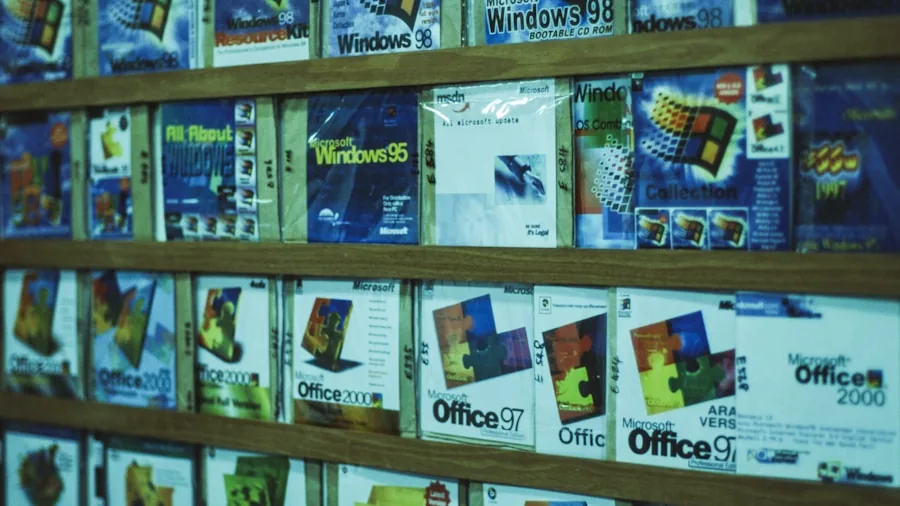
Consumers who value physical game ownership have concrete options available. Purchasing physical game discs from retailers rather than downloading digital versions sends a clear market signal about consumer preferences. When enough buyers choose physical media, retailers prioritize shelf space and inventory for those products, and publishers respond by continuing production.
Buyers should also review their own digital libraries and consider what happens if they lose access. Reading platform terms of service helps clarify what rights consumers actually hold when making digital purchases. Some gamers are choosing to split their purchases between digital convenience and physical permanence, maintaining a hybrid collection that hedges against future platform decisions.
For those interested in gaming accessories and peripherals, options like quality gaming headsets work across multiple platforms, providing flexibility if your gaming setup changes. Similarly, external storage solutions offer compatibility across different systems.
The Road Ahead for PlayStation Buyers
Sony’s commitment to ending physical production by 2028 gives consumers approximately two years to decide their strategy. Players who strongly prefer physical ownership have a window to purchase physical copies before availability becomes limited. This timeline also creates an opportunity for the gaming community to demonstrate whether consumer pressure can influence corporate decisions.
The August blackout represents just one form of protest. The broader conversation about digital ownership, game preservation, and consumer rights will likely continue shaping the industry for years to come. Shoppers should remain informed about platform policies and make purchasing decisions that align with their values regarding ownership, access, and long-term playability.
About the author
Serenity covers home game consoles for REMOVU, weighing performance, exclusive libraries, and the ecosystem each platform locks you into. She helps players pick the console that fits how and what they play.