Pine64 Halts Linux Device Production Through Mid-2027 What Shoppers Need to Know
Memory shortages force Pine64 to halt Linux device production. Here's what changes for buyers and the open-source community.
 By Kristen Jennings
Updated August 20, 2026
By Kristen Jennings
Updated August 20, 2026

Pine64 Stops Making Linux Devices Amid Global Memory Shortage
Pine64, a community-focused open-source hardware maker, announced this week that it will halt all manufacturing of its Linux-based devices indefinitely, with production expected to remain paused through at least mid-2027. The decision stems from a severe global shortage of DRAM and eMMC memory chips that has made it impossible for the company to source components at prices that align with its cost-focused business model.
The production freeze affects Pine64’s entire Linux portfolio, including its single-board computers based on Arm and RISC-V architectures, the PinePhone family of Linux smartphones, the PineTab2 tablet, and the PineNote e-reader. Remaining inventory of the PineTab2 and PineNote is expected to last approximately three months, after which these products will be unavailable. Notably, the decision does not impact microcontroller-based products like the PineTime smartwatch, PineVoice smart speaker, or Pinecil soldering iron, which will continue production as scheduled.
Why the Memory Crisis Hit Pine64 Hardest
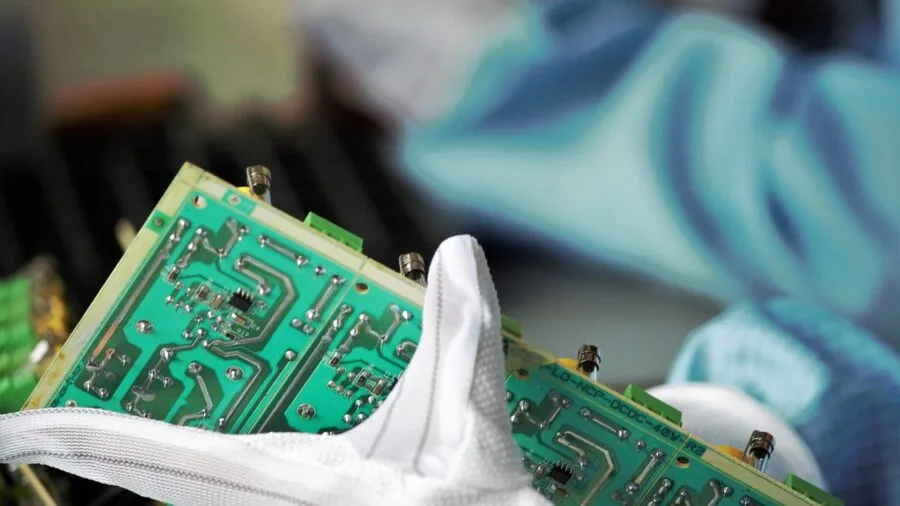
The root cause of this unprecedented action lies in the eMMC storage market, which has become the most supply-constrained segment of the global NAND memory sector. Artificial intelligence and data center demand have redirected the vast majority of available memory capacity toward high-margin enterprise solutions, leaving consumer electronics manufacturers struggling to secure chips at any price. Industry analysts reported in April that eMMC supply faces the tightest allocation gap among all NAND categories because its production capacity overlaps directly with more profitable enterprise solid-state drive manufacturing.
Pine64’s particular vulnerability stems from its business philosophy: the company prices its hardware near manufacturing cost as a community service rather than for profit. Unlike larger competitors such as Raspberry Pi, which has responded to shortages by raising prices repeatedly and pushing the Pi 5 16GB model to $205, Pine64 cannot absorb the skyrocketing component costs. A single eMMC memory module jumped from $1.50 to $20 in just one year, representing a more than thirteenfold price increase that would have forced the company to either abandon its affordability mission or cease operations.
What This Means for Consumers and the Open-Source Community

This production halt represents the first time a named hardware vendor has discontinued an entire product category outright rather than attempting to weather the crisis through price increases. The decision carries significant implications for users who rely on Pine64 devices for development, education, and embedded projects. However, the company has confirmed that software support for existing Linux hardware will continue, meaning owners of current devices can expect ongoing updates and community assistance.
The timeline through mid-2027 aligns with industry supply forecasts that project new memory fabrication capacity will not arrive in meaningful volume until late 2027 or 2028. Importantly, Pine64’s announcement does not guarantee production will resume after mid-2027. The company indicated that any decision to restart manufacturing will depend entirely on whether component pricing becomes viable. This creates a possibility that Linux hardware could remain off the market for two years or potentially longer.
Development of the upcoming PineTime Pro smartwatch continues despite the broader freeze, with the company reporting that demo firmware now includes basic drivers for the display, touchscreen, motion sensors, GPS functionality, and audio systems. However, some technical issues require resolution before the device advances to pilot production.
Industry Context and Broader Implications
Pine64’s decisive action contrasts sharply with other small-board manufacturers’ responses to the memory crunch. Raspberry Pi has pursued aggressive price increases across multiple product tiers while maintaining some legacy boards through stockpiled older memory inventory. Framework Electronics similarly raised pricing in January to cover costs associated with soldered LPDDR5x memory, which cannot be separated from finished products.
The memory shortage itself has become a defining challenge for the entire consumer electronics industry. DDR5 memory kits have sold for more than $2,000 on secondary markets, and major prebuilt PC manufacturers including Dell, CyberPowerPC, and Maingear have all increased prices to offset component costs. Industry experts warn that without resolution, the crisis could force other small and medium-sized electronics companies to make similar difficult choices.
For consumers interested in smartwatches and wearable devices, this situation primarily affects those seeking open-source and Linux-based alternatives. Mainstream smartwatch manufacturers remain unaffected by Pine64’s halt, as they typically source memory through different supply chains or maintain larger stockpiles. However, the announcement serves as a reminder of how deeply supply chain disruptions can impact even established technology segments.
Pine64’s interim checkpoint at mid-2027 provides the company with flexibility to reassess market conditions before making final decisions about production resumption. Until then, potential customers seeking Pine64 hardware should act quickly if interested in current stock, while developers working with existing devices can continue building projects with confidence in ongoing community support.
About the author
Kristen writes about smartwatches for REMOVU, comparing features, battery life, and ecosystem fit. She helps readers tie together health tracking, notifications, and apps on the right watch.