iPhone 18 Pro Max Camera Feature Shake Up: What Buyers Need to Know
Exclusive camera upgrade could force buyers to choose larger model or skip this generation entirely.
 By Eleanor Garcia
Updated August 20, 2026
By Eleanor Garcia
Updated August 20, 2026
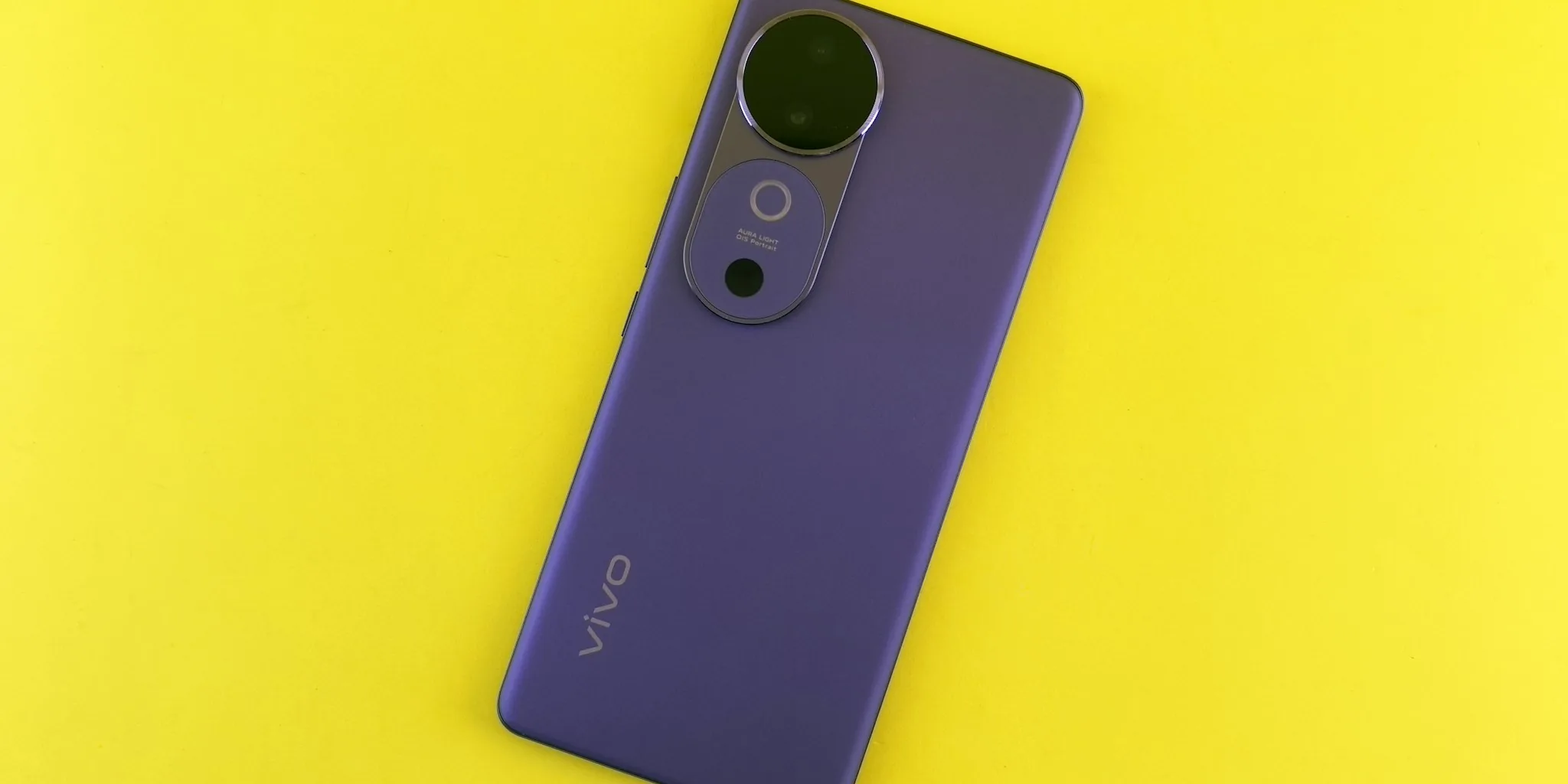
Apple is reportedly preparing a significant shift in how it positions its flagship smartphones, and it could change the way you choose your next iPhone. According to recent industry chatter, the upcoming iPhone 18 Pro lineup will break from Apple’s traditional strategy by introducing exclusive camera technology to only the larger Pro Max model, marking a major departure from recent precedent.
The Variable Aperture Camera Advantage
The rumored upgrade centers on a variable aperture lens for the main camera sensor, a feature that would mirror technology Samsung introduced years ago. However, instead of rolling this advancement across both Pro models, Apple is expected to reserve this capability exclusively for the iPhone 18 Pro Max. This move represents the first meaningful camera distinction between the standard Pro and Pro Max since the iPhone 15 generation, when the Max model received enhanced zoom capabilities that the regular Pro lacked.
For buyers, variable aperture technology matters because it allows the camera to adjust the lens opening based on lighting conditions. In bright environments, the aperture narrows to improve image sharpness. In low light, it widens to capture more details. This adaptability could meaningfully improve photo quality across different scenarios without requiring software workarounds.
The Naming Problem That Could Frustrate Shoppers
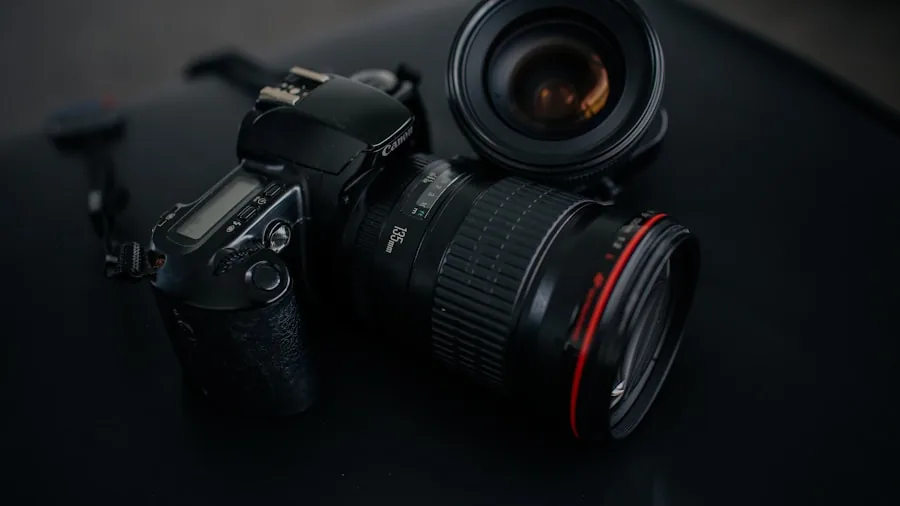
Here’s where this strategy gets complicated for consumers. Apple has traditionally used the “Pro Max” label to indicate a larger screen and larger battery, not fundamental capability differences. When previous iPhone generations introduced exclusive features to Max models, it created confusion and frustration among buyers who wanted the smaller form factor but couldn’t access the technology they desired.
History demonstrates this concern. The iPhone 12 Pro Max shipped with a significantly larger main camera sensor, and the iPhone 15 Pro Max offered exclusive zoom capabilities. Both times, buyers felt pressured to choose the larger device simply to access specific photographic features they wanted, rather than choosing based on their preferred screen size. This pattern likely repeated with recent generations, forcing genuine trade-offs between comfort and capability.
The danger of repeating this approach is that many potential buyers may simply skip the iPhone 18 Pro entirely and wait for the iPhone 19 Pro, betting that Apple will eventually standardize this feature across both Pro models, as it has done historically. Since modern iPhones and smartphones generally last multiple years without significant performance degradation, waiting an additional year becomes increasingly reasonable for cost-conscious shoppers.
What This Means for the iPhone Portfolio

Industry observers suggest that Apple should reconsider its naming strategy altogether. Rather than calling the higher-end model a Pro Max, the argument goes that Apple should introduce a completely new tier called the iPhone 18 Ultra. This would signal to customers that the device represents a genuinely different product category, not merely a stretched version of the standard Pro.
The Ultra naming convention aligns with how competitors structure their flagship lineups. Samsung, for example, markets its Galaxy S series alongside a separate Ultra model positioned at the top. Chinese manufacturers like Xiaomi, Oppo, and Vivo follow similar strategies with Ultra and Pro variants. By introducing an iPhone Ultra alongside traditional Pro and standard models, Apple would clarify expectations and eliminate the confusion that arises when the Max model receives capabilities the standard Pro cannot match.
Additionally, an iPhone Ultra launch would give Apple better leverage against competitors in international markets, particularly against Samsung’s Ultra tier. It would also provide justification for the premium pricing that industry analysts expect Apple to introduce with this generation.
What Buyers Should Expect
Whether Apple embraces the Ultra naming or maintains the Pro Max designation, shoppers evaluating the iPhone 18 lineup should prepare for meaningful capability differences between the standard Pro and top-tier model. This represents a fundamental shift from how Apple marketed its Pro lineup for years, when buyers could assume both Pro models offered identical capabilities in different sizes.
For consumers prioritizing camera performance and advanced computational photography features, the larger model will likely offer a more complete experience. For those prioritizing portability and one-handed usability, accepting the standard Pro’s capabilities will be necessary or waiting for future generations to see how Apple refines this strategy.
The upcoming launch will reveal whether Apple commits to clear product segmentation or retreats to its traditional approach. Either way, informed shoppers now understand that assuming feature parity between Pro and Pro Max models is no longer a safe assumption, and comparing detailed camera specifications before purchase will be more important than ever. Those shopping for complementary devices and accessories should also consider how their main iPhone choice affects ecosystem compatibility and cross-device functionality.
About the author
Eleanor covers smartphones for REMOVU, balancing cameras, battery life, and software support against price. She helps readers find the best value as the field shifts with every release.