iPhone 18 Pro with A20 Pro Chip: What Buyers Should Know About the $1399 Price Tag
Learn how the new A20 Pro chip justifies the premium iPhone 18 Pro price with major efficiency gains.
 By Eleanor Garcia
Updated August 18, 2026
By Eleanor Garcia
Updated August 18, 2026
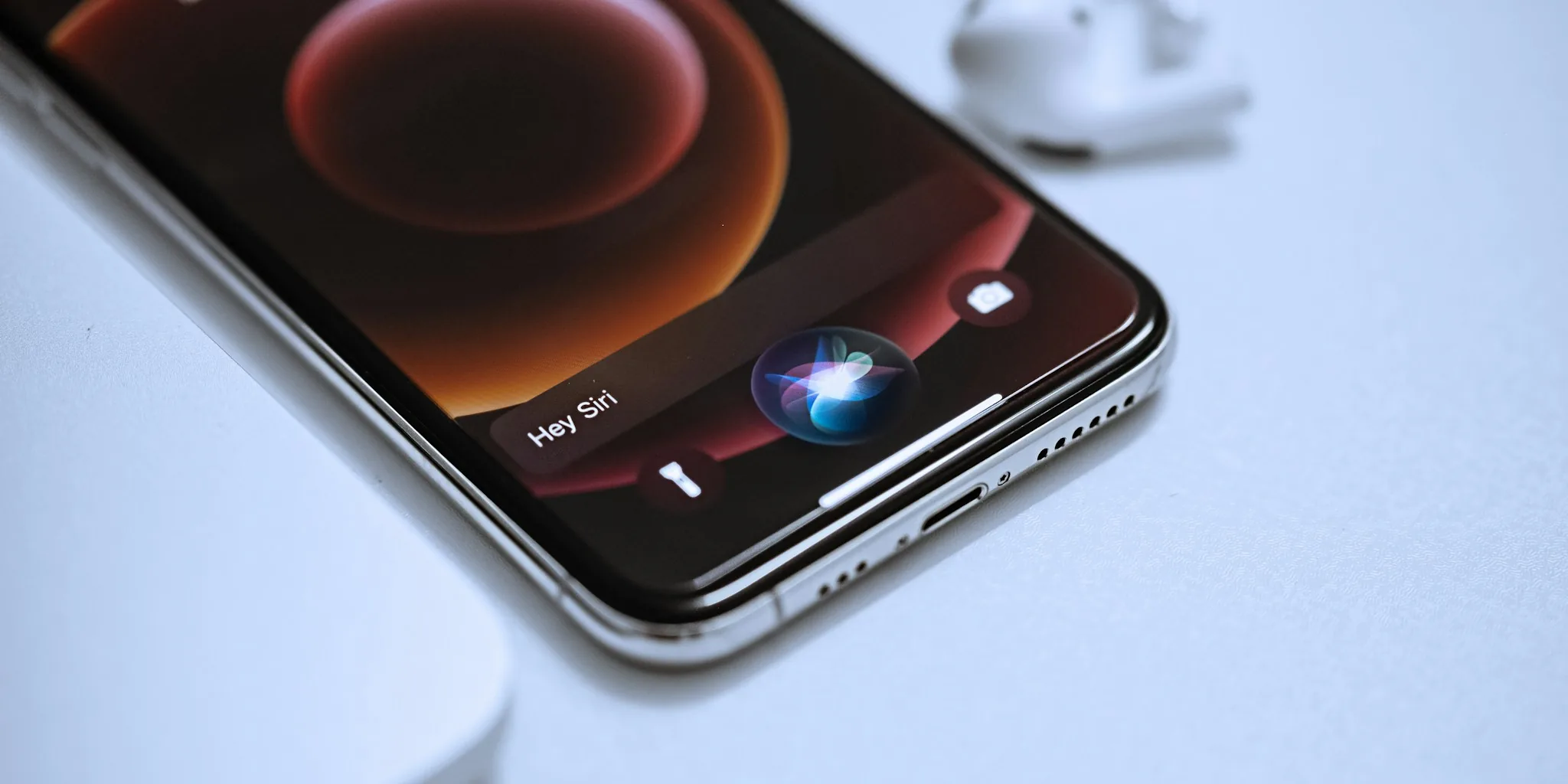
Apple’s next flagship smartphone is shaping up to deliver significant performance improvements that could justify its premium price point. According to recent leaks, the upcoming iPhone 18 Pro will feature Apple’s A20 Pro chip, manufactured on TSMC’s cutting-edge 2-nanometer process, and the efficiency gains may finally explain why consumers are asked to spend $1,399 on a single device.
The A20 Pro Chip: A Major Leap Forward
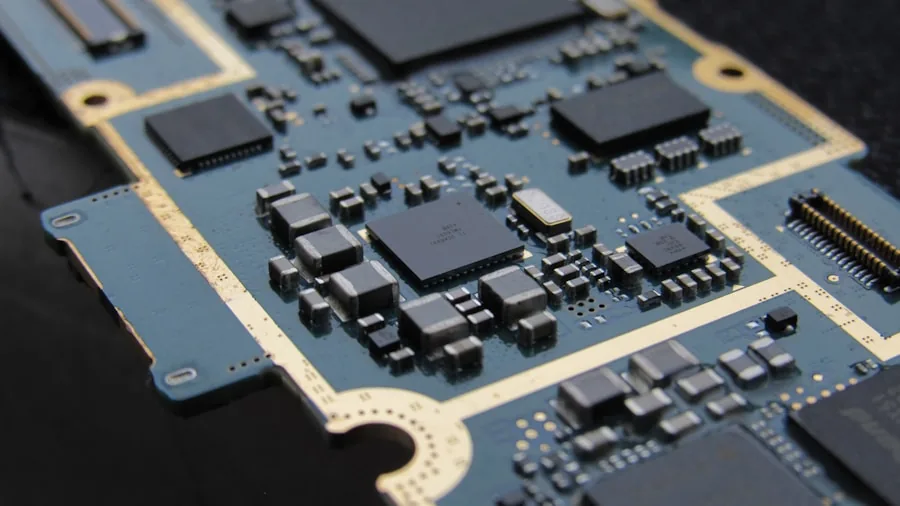
The A20 Pro represents a full node advancement over the current generation. Built on TSMC’s 2nm technology rather than the 3nm process used in competitors’ flagship devices, this processor is designed to deliver meaningful real-world performance gains. According to industry sources, the A20 Pro will be approximately 18 percent faster and 30 percent more power-efficient than the iPhone 17 Pro’s A19 Pro chipset.
This efficiency improvement matters because it directly impacts battery life and thermal management. TSMC’s 2nm process uses a revolutionary gate-all-around nanosheet transistor design, which provides tighter control over electrical flow compared to older fin-based transistor structures. The technology also incorporates super-high-performance metal-insulator-metal capacitors that further optimize speed and energy consumption.
What These Improvements Mean for Shoppers
For consumers considering spending nearly $1,400 on a smartphone, these specifications translate to tangible benefits. Better power efficiency means the iPhone 18 Pro should deliver extended battery endurance throughout a full day of heavy use. The improved processing speed enables faster app launches, smoother multitasking, and enhanced performance in demanding applications like video editing and gaming.
Apple is also updating the internal architecture to complement the new processor. The A20 Pro will use wafer-level multi-chip module packaging, which integrates the processor directly with memory modules for better thermal performance and faster data access. The device will shift from 64-bit LPDDR5X memory to 96-bit LPDDR6, providing substantially higher memory bandwidth that supports more sustained peak performance during extended use.
Performance Comparison: The Real Story
While competitors like Samsung’s Galaxy S27 Ultra with the Snapdragon 8 Elite Gen 6 Pro may achieve headline speeds that are 35 percent faster in benchmarks, the iPhone 18 Pro likely wins on practical, sustained performance. High-speed processors sometimes require thermal throttling, meaning they cannot maintain peak speeds continuously without overheating. The iPhone 18 Pro’s advanced architecture and power efficiency allow it to deliver maximum performance consistently during video calls, photography processing, or extended gaming sessions without performance drops.
This distinction becomes increasingly important as consumers use their phones for resource-intensive tasks. The ability to maintain consistent speeds rather than achieving temporary peaks directly affects the user experience over hours of daily use.
The Cost Factor and Production Reality
The $1,399 price reflects manufacturing complexity. TSMC’s 2nm process is expensive to produce at scale, and early production volumes will be limited. Apple’s decision to adopt this advanced technology before competitors demonstrates the company’s commitment to delivering performance leadership, but the manufacturing costs associated with cutting-edge chip production inevitably influence consumer pricing.
For buyers evaluating whether the price is justified, the efficiency improvements and sustained performance capabilities provide stronger rationale than raw speed numbers alone. A smartphone that maintains consistent battery life and performance throughout the day delivers more practical value than one that prioritizes peak speeds but struggles with thermal constraints.
Choosing Between iPhone 18 Models
The iPhone 18 line will include both the Pro and a higher-end Ultra variant, both featuring the A20 Pro chip. Shoppers considering an upgrade should evaluate their actual usage patterns rather than specification sheets. If you frequently use demanding applications, record 4K video, or maintain extended work sessions on your device, the efficiency improvements justify the investment. For users with lighter usage patterns, previous-generation models may remain sufficient.
When comparing iPhone options with accessories like smartwatches or wireless earbuds for iPhone users, factor the total ecosystem investment into your decision rather than viewing the smartphone in isolation.
Looking Ahead: Manufacturing and Availability
The transition to 2nm manufacturing will initially constrain availability. Early adopters should expect potential delays or limited color and storage options at launch. Production capacity will gradually increase, and by several months into the release cycle, inventory should normalize and consumer choice will expand.
The iPhone 18 Pro’s A20 Pro chip represents a significant technological advancement that addresses real limitations of previous generations. The efficiency gains and sustained performance improvements provide practical justification for the premium pricing, particularly for users who demand consistent reliability during intensive daily use.
About the author
Eleanor covers smartphones for REMOVU, balancing cameras, battery life, and software support against price. She helps readers find the best value as the field shifts with every release.