GameStop Customer Trades Hundreds of Broken PlayStations and Consoles for Over $10,000 in Store Credit
Oregon customer converted hundreds of broken PlayStations and gaming devices into $10K+ in GameStop credit. Here's what shoppers should know.
 By Serenity Richards
Updated August 18, 2026
By Serenity Richards
Updated August 18, 2026
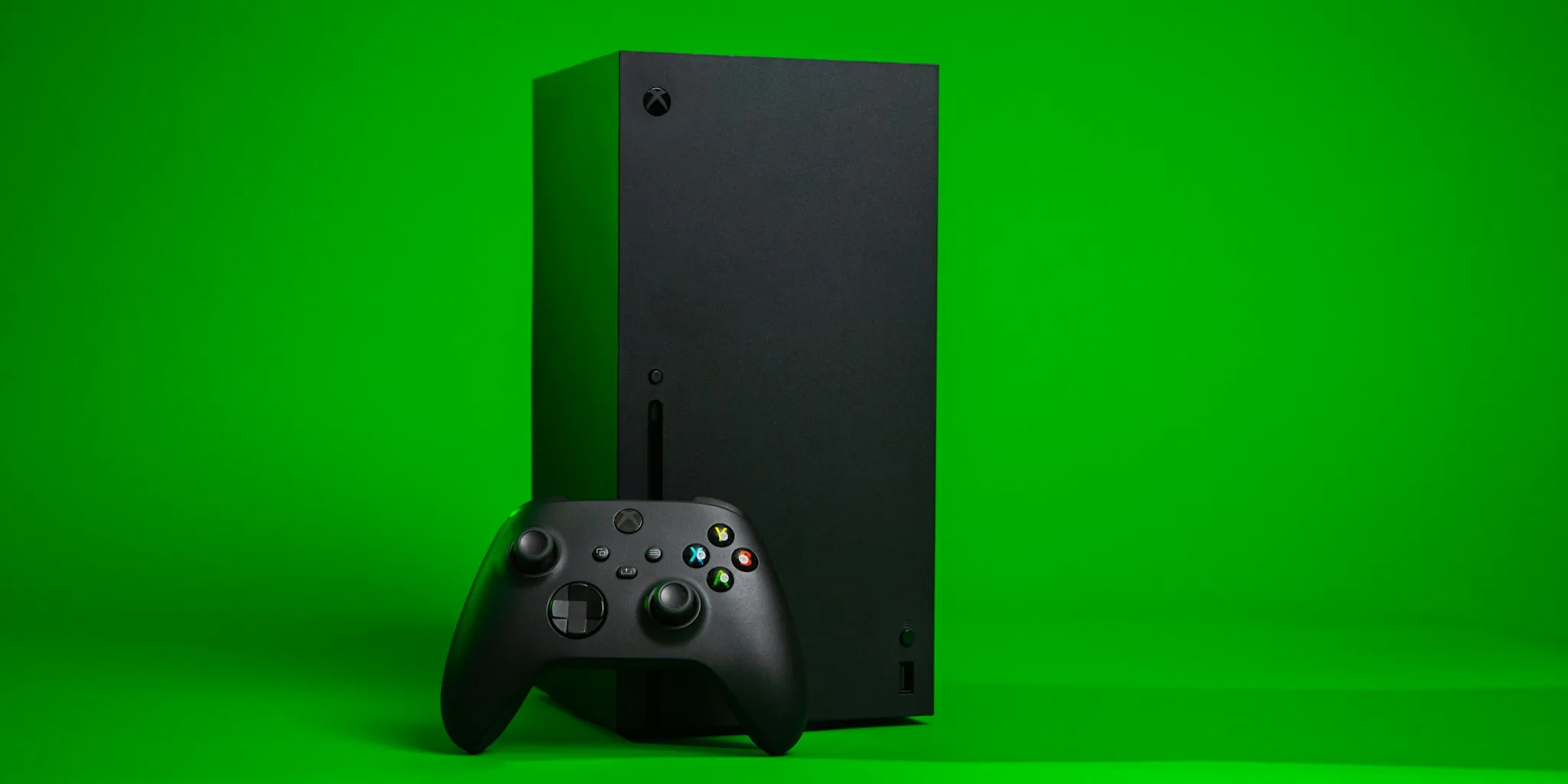
A GameStop customer in Oregon recently made headlines by trading in a massive collection of broken gaming consoles for $10,690.06 in store credit. The transaction, which involved hundreds of damaged devices spanning multiple generations and manufacturers, raises important questions about trade-in value, retail refurbishment practices, and what shoppers should know before bringing their old gaming hardware to resale retailers.
The Record-Breaking Trade-In
Josh, a GameStop customer from Clackamas, Oregon, walked into his local store with what can only be described as a treasure trove of non-functional gaming equipment. According to GameStop’s announcement, the collection included hundreds of broken game consoles representing decades of gaming history. Among the identifiable items in the visible photos were Nintendo Switch Lites, Sega Game Gears, Sony PSPs, various Nintendo Game Boys from different eras, and what appeared to be multiple Xbox 360 units in various states of disrepair. The receipt photos also hint at the presence of PS4 consoles, Xbox One systems, and newer generation hardware like Xbox Series X units.
The $10,690.06 figure represents what GameStop offered in store credit rather than cash. This distinction matters significantly for consumers considering similar trades. Store credit typically provides substantially more purchasing power than direct cash payouts, sometimes offering up to 50 percent more value when compared to what retailers would pay out in actual dollars. However, this benefit comes with the trade-off that the credit can only be spent on products GameStop currently has in stock.
Understanding Trade-In Pricing

The visible receipts from Josh’s transaction reveal some concrete pricing data that can help shoppers understand how GameStop evaluates broken console trades. According to the documented amounts, broken Xbox One consoles were valued at $7.92 each, while non-functional Xbox Series X units received roughly $10 to $11 per unit. PS4 consoles that were not working fetched $16 each in trade value. Working Xbox One consoles commanded significantly higher prices at around $40 per unit. These figures demonstrate that GameStop does pay something for non-functional equipment, though the amounts are modest.
What This Means for Shoppers with Old Gaming Hardware
If you have old or broken gaming consoles sitting in your home, this story offers several practical lessons. First, retailers like GameStop will accept non-functional equipment for trade credit, which means you don’t necessarily need working devices to receive value. Second, store credit yields better numerical returns than cash trades, though your spending options become restricted to what the retailer stocks. Third, bulk transactions of this nature are possible, suggesting that even extensive collections of damaged devices can be processed and turned into purchasing power.
The types of equipment GameStop accepts primarily focus on gaming hardware. While some retailers may stock electronics like computers or phones, GameStop’s main inventory centers on PlayStation, Xbox, and Switch consoles alongside games and accessories for these platforms. If you’re planning a substantial trade-in, knowing what the retailer actively stocks will help you decide whether store credit truly benefits your situation.
The Broader Retail Refurbishment Industry
What happens to hundreds of broken consoles after they leave a customer’s hands represents an interesting aspect of the retail electronics ecosystem. Many of these devices aren’t discarded but rather are processed through refurbishment centers. Some units may be repaired and resold, while others contribute components for spare parts or donor hardware. Rarer special edition consoles within such collections potentially hold significant value once restored to working condition. This creates a profitable operation for retailers willing to invest in repair labor and parts inventory, though the actual profit margins remain proprietary information that companies rarely disclose publicly.
Trade-In Strategies for Gamers
For consumers considering similar transactions, the approach offers both advantages and trade-offs. Selling broken hardware in bulk to a retailer like GameStop provides immediate credit without the effort required for individual online sales. Posting hundreds of items on auction sites would involve detailed descriptions, photography, shipping logistics, and handling potential returns or disputes. For those valuing convenience over maximum possible proceeds, a retailer trade-in makes sense.
Conversely, if you have rare or valuable special editions among your collection, independent sales channels might yield better returns. The key is assessing your collection’s composition and your own priorities regarding effort, speed, and financial outcome. Some shoppers prefer the simplicity of walking into a store with their old hardware and walking out with credit to spend immediately on new games or equipment. Others find the extra work of individual sales worthwhile for potentially higher cash returns.
Josh’s extraordinary trade demonstrates that GameStop’s willingness to accept large quantities of broken hardware opens opportunities for consumers with extensive collections. Whether that represents the best financial decision depends entirely on individual circumstances, but it undeniably provides a viable path for converting dormant gaming equipment into usable retail credit.
About the author
Serenity covers home game consoles for REMOVU, weighing performance, exclusive libraries, and the ecosystem each platform locks you into. She helps players pick the console that fits how and what they play.