iPhone 18 Delay and Pixel 11 Launch: What Shoppers Need to Know
The iPhone 18 delay and Pixel 11's camera and battery improvements are shifting shoppers' upgrade strategies.
 By Eleanor Garcia
Updated August 17, 2026
By Eleanor Garcia
Updated August 17, 2026
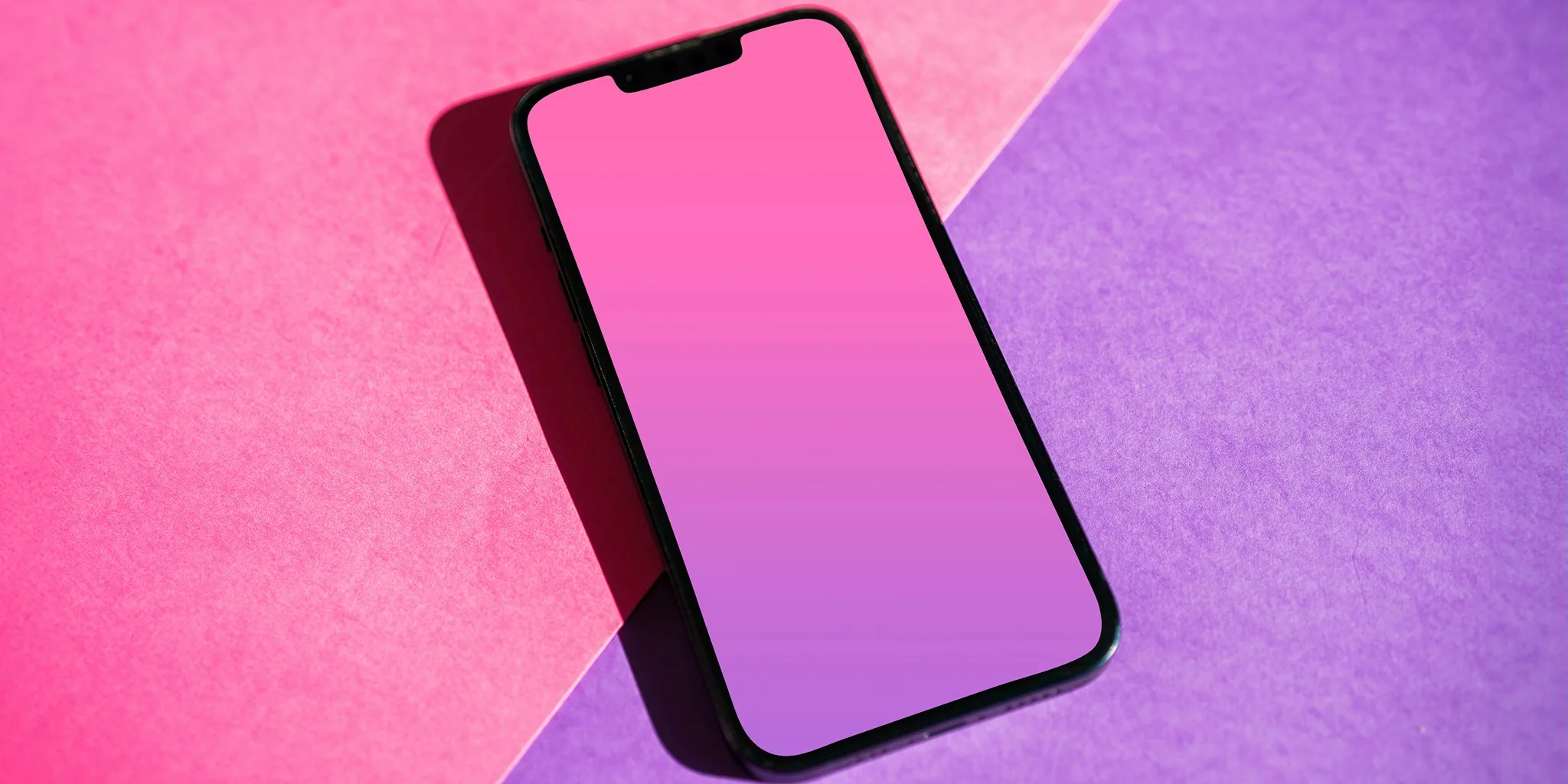
Apple’s smartphone roadmap just shifted unexpectedly, and it could reshape how millions of shoppers evaluate their next smartphone purchase. According to supply chain reports, Apple will not release a standard iPhone 18 in September as traditionally expected. Instead, only the Pro, Pro Max, and a rumored foldable Ultra model will arrive this fall, while the base iPhone 18 is now targeted for early 2027. That delay alone signals a major change in the competitive landscape.
For consumers who upgrade annually or every other year, this timing matters significantly. The delay means base-model iPhone buyers face a choice: spend more on a Pro variant now, wait until next year for the standard model, or consider alternatives that are becoming increasingly compelling.
Google’s Pixel 11 Emerges as a Serious Contender
The timing of the standard iPhone 18 delay coincides with Google’s Pixel 11 launch, which arrives with features that directly address longstanding complaints about baseline iPhone models. Google increased the Pixel 11 starting price to $899, up from the previous generation’s $799, but the hardware improvements justify the premium for many shoppers.
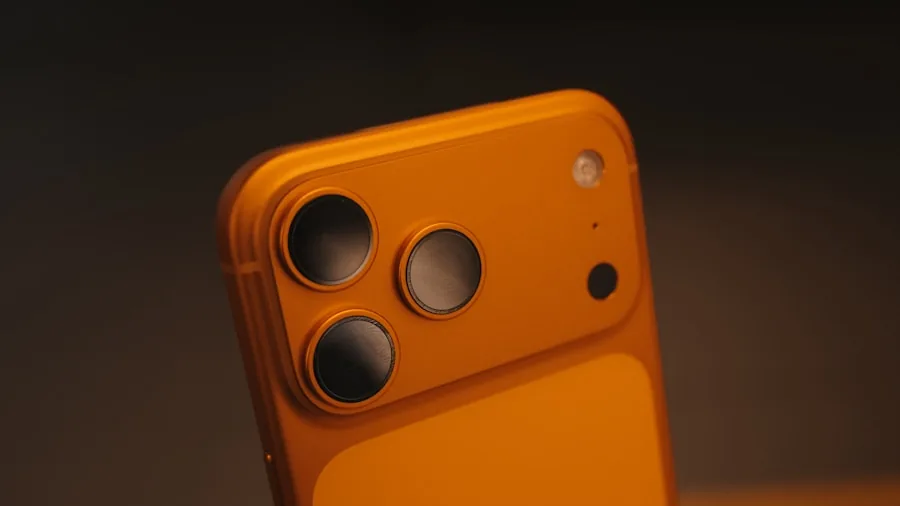
The most significant difference lies in the camera systems. The iPhone 17 offers dual 48MP rear cameras, which capture excellent photos in various lighting conditions. However, it lacks a dedicated telephoto lens, relying instead on digital zoom that crops from the main sensor. The Pixel 11, by contrast, includes a proper triple-camera setup with a 48MP main sensor, 13MP ultrawide, and a 10.8MP telephoto lens delivering true 5x optical zoom. This structural difference meaningfully changes how subjects appear in photos, bringing out texture, detail, and intentionality that digital zoom cannot match.
For shoppers who prioritize photography, this distinction carries real weight. The dedicated telephoto on the Pixel 11 captures fine details on flowers, textures in skin, architectural elements, and distant subjects with accuracy that the iPhone 17 simply cannot replicate without cropping and losing quality.
Software Advantages Favor Google This Year
Beyond hardware, Google’s Android 17 introduces software features designed to reduce friction for new users switching from Apple devices. The rebuilt Android Switch tool now works wirelessly, built directly into both iOS and Android with no separate app required. It migrates passwords, passkeys, Wi-Fi credentials, alarms, and text threads automatically, addressing one of the biggest pain points for longtime iPhone users considering a switch.
Gemini Intelligence, Google’s AI assistant native to the Pixel 11, offers photography-focused tools that appeal to casual and enthusiast photographers alike. Magic Capture analyzes approximately 400 shots from a scene to identify and extract the best photos and video clips automatically. Creator Suite provides built-in AI video editing capabilities, streamlining content creation workflows directly on the device.
Apple’s Intelligence features continue rolling out, with some complex queries routing through third-party AI services. While functional, these features lack the native integration and photography-specific tools that Gemini delivers on the Pixel 11. For shoppers interested in AI capabilities, Google’s approach feels more cohesive and purposeful.
Battery Performance Could Be the Deciding Factor
The Pixel 11 houses a 4,985 mAh battery, substantially larger than the iPhone 17’s 3,692 mAh. Combined with the new Tensor G6 processor built on 2-nanometer technology, Google claims 20 percent improved power efficiency compared to the previous generation. Official estimates suggest 30+ hours of battery life on the Pixel 11, compared to 24+ hours on its predecessor.
While manufacturer battery claims warrant skepticism, the fundamental advantage of a larger battery combined with a more efficient processor creates real potential for improved real-world endurance. For shoppers whose daily smartphone use stretches beyond typical eight-hour workdays, this advantage could prove decisive in daily convenience and reliability.
The Bigger Picture for Shoppers

The iPhone 18 delay creates an unusual window of opportunity for shoppers evaluating their options. The base iPhone 17 remains available at $799, while the Pixel 11 arrives at $899. For that hundred-dollar premium, shoppers gain a dedicated telephoto camera, superior battery capacity, more efficient processing, and software features optimized for seamless switching from Apple ecosystems. Wireless earbuds and accessories designed for iPhone remain compatible with many Android devices, further reducing switching friction.
The alternative for iPhone loyalists involves jumping directly to the iPhone 18 Pro, which carries a starting price around $1,200. That represents a $400 premium over the base iPhone 17, a significant increase for functionality that many shoppers may not need or use regularly.
Apple’s hardware and ecosystem integration remain compelling, particularly for those with Mac computers where continuity features create seamless workflows. The iPhone 17’s video capabilities and display quality remain excellent. However, the convergence of Apple’s base-model delay and Google’s refreshed feature set has shifted the calculus in ways unseen in recent years.
Waiting Makes Sense Before Deciding
Shoppers considering an upgrade should resist rushing into decisions immediately. Reviews and detailed performance analysis will emerge over the coming weeks as the Pixel 11 becomes widely available. Real-world battery performance, camera output across diverse scenarios, and software reliability deserve evaluation before committing to either platform.
For iPhone users approaching an upgrade, this moment presents genuine alternatives backed by meaningful improvements rather than incremental marketing. Whether that advantage proves sufficient to justify switching ecosystems depends on individual workflows, existing device ownership, and personal preferences around features like dedicated telephoto cameras and battery endurance.
About the author
Eleanor covers smartphones for REMOVU, balancing cameras, battery life, and software support against price. She helps readers find the best value as the field shifts with every release.