macOS Screen Sharing Vulnerability Being Actively Exploited: What Shoppers Need to Know
Hackers are targeting an unpatched screen sharing vulnerability to hijack Mac resources for cryptocurrency mining.
 By Ava Herrera
Updated August 17, 2026
By Ava Herrera
Updated August 17, 2026
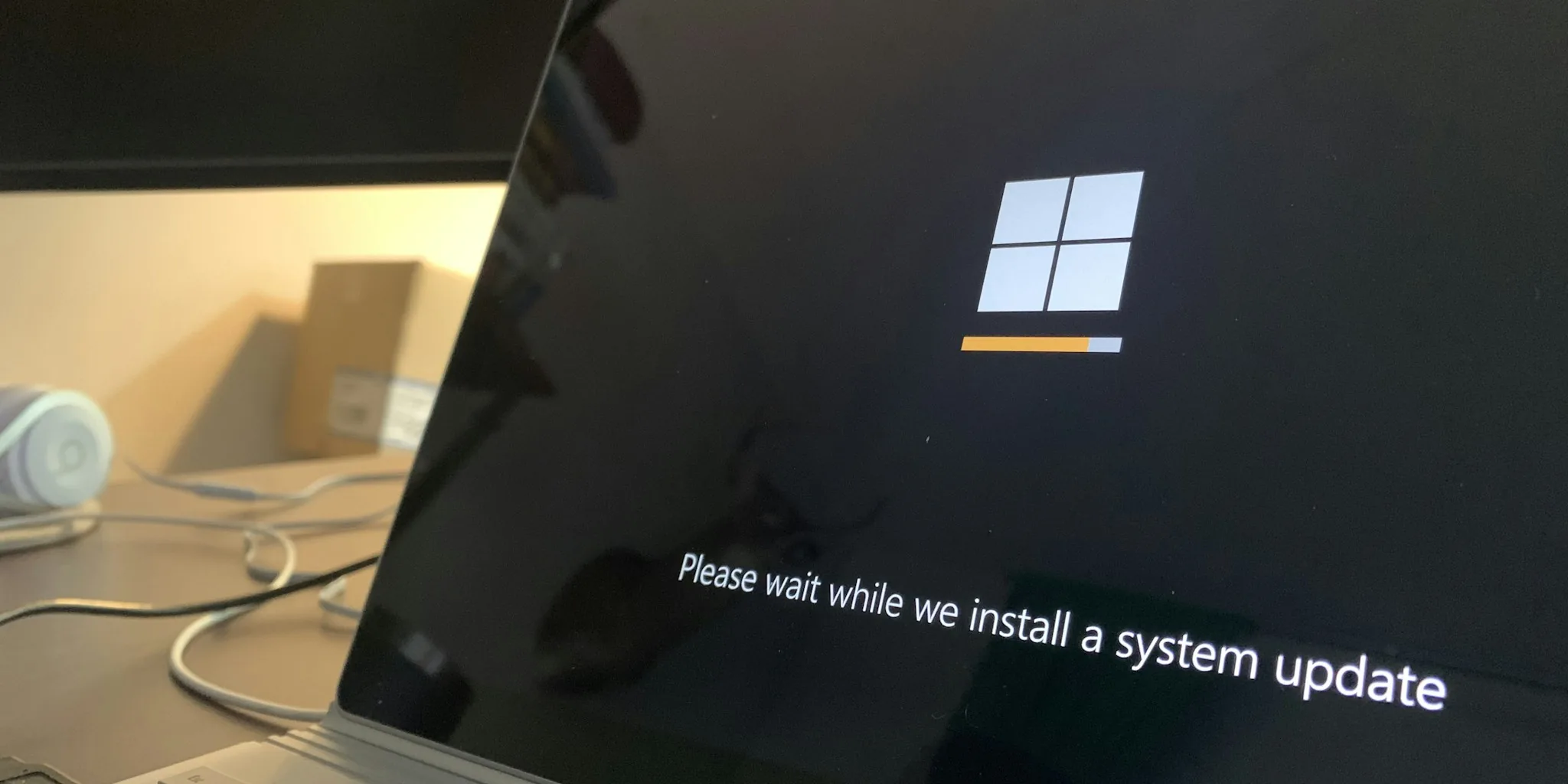
Apple issued an urgent software update in early August to patch a critical vulnerability in macOS Screen Sharing that hackers were already actively exploiting before the fix became available. The flaw poses a serious risk to Mac owners who have screen sharing enabled, particularly those whose computers are accessible from the internet.
The Vulnerability and How It Works
On August 6, Apple released macOS Tahoe 26.6.1, a software update designed to address a dangerous authentication flaw in the Screen Sharing feature. This vulnerability allowed attackers to bypass normal credential requirements and gain unauthorized access to a user’s Mac display. Once connected, an attacker could view everything on the screen and take control of the keyboard and mouse remotely, giving them full operational control of the compromised device.
The flaw affected multiple versions of macOS, not just the latest Tahoe release. The same patch was also deployed for macOS Sonoma 14.8.9 and macOS Sequoia 15.7.9, indicating the problem spanned several operating system versions.
Evidence of Active Exploitation in the Wild

What makes this vulnerability particularly alarming is that cybercriminals did not wait for Apple to patch it before launching attacks. According to reports from the Netherlands’ National Cyber Security Center, the flaw was already being exploited on multiple systems by the time the software update rolled out. Investigators identified compromised Macs where attackers had gained root-level access, which represents the highest privilege level on the system.
Once attackers obtained this level of control, they installed cryptocurrency mining malware, specifically Monero miners, onto the affected computers. This malicious software hijacks a Mac’s processing power to mine cryptocurrency without the owner’s knowledge or consent, which drains system resources, reduces performance, and increases electricity costs.
Why This Vulnerability Was So Dangerous
Screen Sharing is enabled through port 5900 on macOS devices. When a user activates the Screen Sharing feature, macOS intentionally opens this port to the internet to allow legitimate remote access. This design creates an opportunity for attackers: if they know the vulnerability exists and a target Mac has this port exposed publicly, they can attempt to exploit it without requiring valid login credentials.
The vulnerability was especially problematic because many users may not realize their screen sharing port is accessible from outside their local network, making them unknowingly exposed to attack. Business professionals, remote workers, and individuals who regularly use screen sharing features were at heightened risk.
What You Should Do Right Now

If you own a Mac, the most critical action is to update your system immediately. Apple addressed the authentication issue through improved state management in the software update. You can check your macOS version by opening System Settings, selecting General, and then navigating to Software Update. This process typically takes just a few minutes and will download and install the necessary patches automatically.
Beyond updating, Apple recommends an additional security measure: use a virtual private network (VPN) whenever you have screen sharing active. A VPN encrypts your internet traffic and masks your IP address, adding another layer of protection even if a vulnerability were to emerge in the future. If you do not regularly use screen sharing, consider disabling the feature entirely to eliminate this potential attack vector altogether.
Broader Implications for Mac Users
This incident underscores why keeping your software current matters significantly. While software updates sometimes seem inconvenient or unnecessary, they frequently address security vulnerabilities that attackers actively exploit. The fact that this flaw was being abused before users had the chance to patch their systems highlights how quickly cybercriminals move to weaponize newly discovered weaknesses.
For those considering their computing setup, this also serves as a reminder to evaluate your devices’ security features. The best smartwatches for swimming in 2026 and other connected devices are increasingly linked to Mac systems, so securing your primary computer protects your entire digital ecosystem. Additionally, if you manage multiple devices across your household, pet GPS trackers worth buying for every owner and other internet-connected products rely on secure home networks anchored by protected computing devices.
Going forward, Mac users should establish a routine of checking for software updates regularly rather than deferring them. Most exploited vulnerabilities exist in unpatched systems, so staying current with your software update cycle is one of the most effective protections available.
About the author
Ava is REMOVU's laptop writer, balancing speed, battery life, and build quality against price across the whole range. She helps readers find the sweet spot as each new chip shifts what a dollar buys.