FCC Robot Vacuum Ban: What Shoppers Need to Know Right Now
New foreign-made models face FCC restrictions, but your current robot vacuum is safe. Here's what buyers need to know.
 By Beverly Morrison
Updated August 15, 2026
By Beverly Morrison
Updated August 15, 2026
The FCC’s New Restrictions on Foreign-Made Robot Vacuums
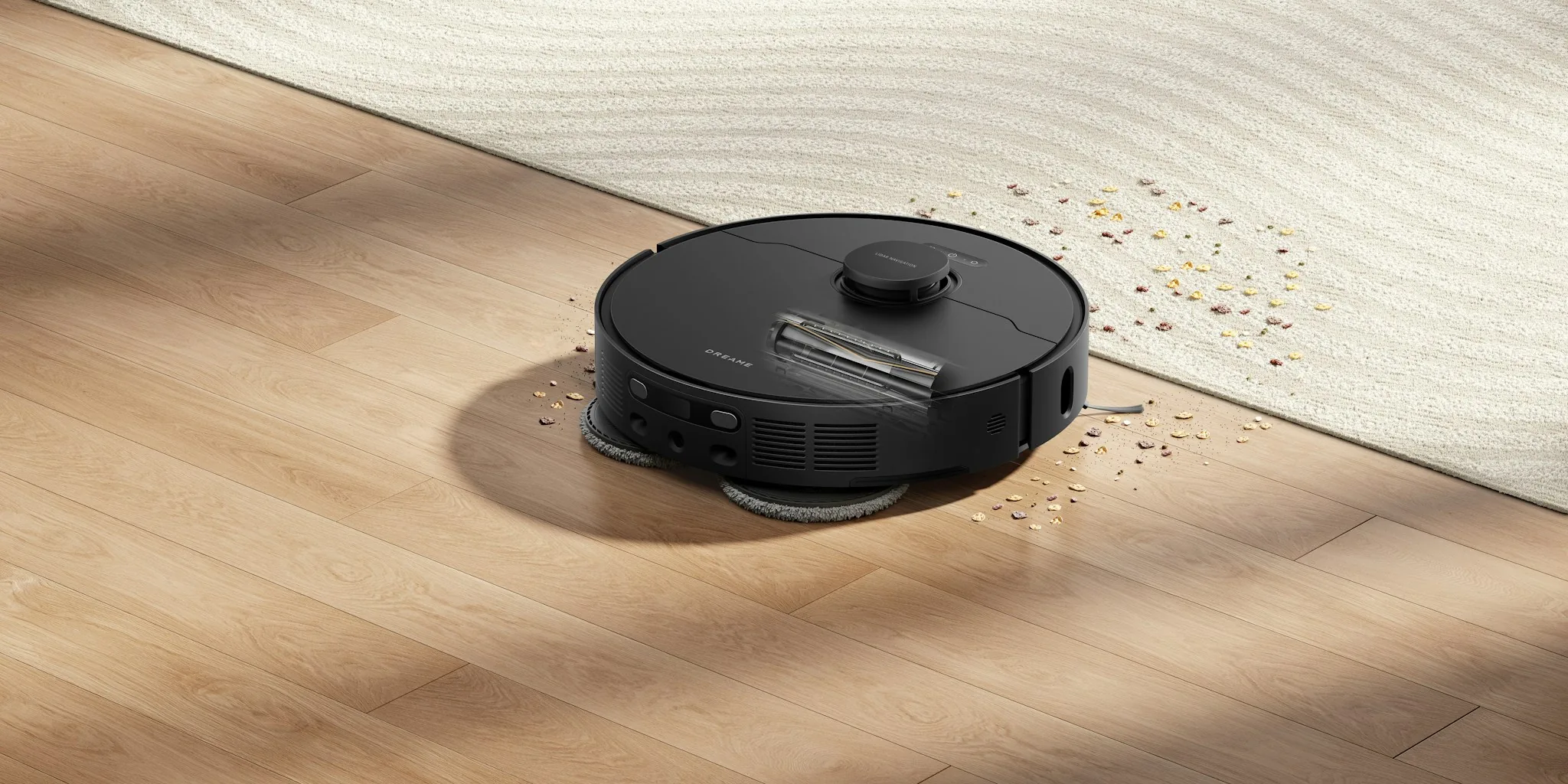
The Federal Communications Commission recently expanded its import restrictions to include a broad category of devices called advanced robotic equipment, and the agency confirmed that robot vacuums fall directly under this new policy. After earlier banning certain foreign-manufactured drones and wireless networking devices, the FCC is now blocking new foreign-made robotic units that lack prior authorization from entering the United States market.
This development carries significant implications for the industry because nearly every major robot vacuum manufacturer produces their equipment overseas. Companies including Dreame, Dyson, Ecovacs, Roborock, and others source their products internationally. Even domestic brands face complications: iRobot, the company behind the widely recognized Roomba line, is now owned by a Chinese corporation, while Shark manufactures its devices in China and Southeast Asia. The scope of this ban means that virtually every popular robot vacuum model currently available would be prohibited from future sales if it had not already secured FCC clearance before the restriction took effect.
Which Robot Vacuums Are Actually Covered by the Ban
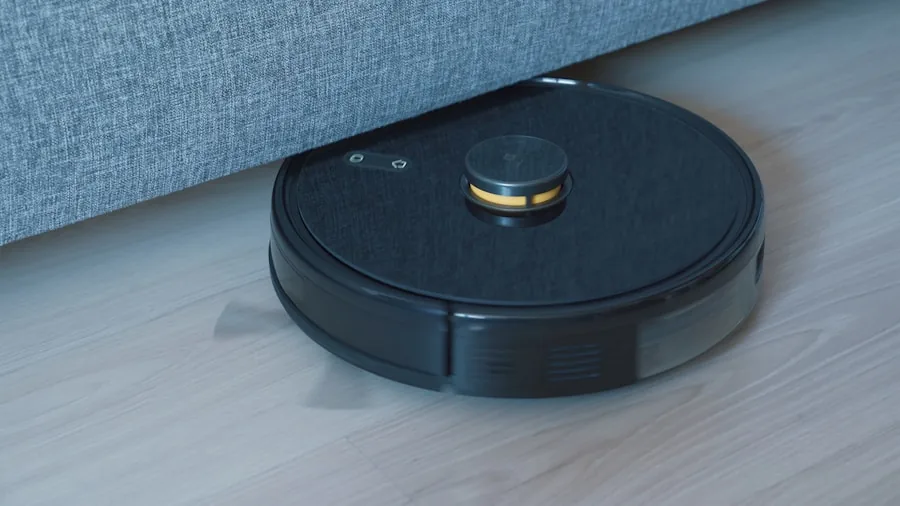
The FCC’s language refers to advanced robotic devices, a category that encompasses robot vacuums, robot lawn mowers, and similar equipment. However, not every robot vacuum qualifies under the restrictions. The ban applies specifically to devices that weigh more than 4.4 pounds when measured together with their base station. This threshold covers all self-emptying models and virtually all premium robot vacuums on the market, since even standard models often approach or exceed this weight.
The device must also meet three additional criteria to fall under the ban: it needs a sensor system that perceives its surroundings, a component that enables network connectivity, and software governing autonomous movement. These features are present in all modern robot vacuums because they are essential for functionality. Environmental sensors and autonomous navigation allow these machines to map your floors and execute targeted cleaning in specific rooms or zones. Network connectivity enables remote control through smartphone applications and lets you adjust cleaning schedules and settings from anywhere.
Impact on Current Owners and Available Models
If you currently own a robot vacuum, the ban does not affect your device. Because your unit was already purchased and is in your home, it received FCC authorization before the restriction went into effect. Your existing equipment will continue to operate normally without any disruption.
Furthermore, robot vacuums that have already received FCC clearance remain legal to sell in the United States. This means you can purchase any currently available model from authorized retailers as long as manufacturers continue producing it. Additionally, industry sources indicate that several upcoming models from major companies have already been approved by the FCC. These preapproved devices should launch without interference for several months, potentially extending up to a year from now.
Should You Buy a Robot Vacuum Now
The urgency of purchasing a new robot vacuum depends on your circumstances. If you need a new unit, buying now ensures you get a model you want without worrying about future availability constraints. However, if you’re flexible on timing, you have other options.
Historically, the robot vacuum market experiences its deepest discounts during major shopping events like Black Friday and Amazon Prime Day. Even the newest flagship models frequently receive significant price reductions during these periods. If you’re tracking a specific model’s price and waiting for a sale, the current ban will not prevent you from purchasing it later. You can continue monitoring prices and wait for promotional pricing without concern.
That said, stay informed about potential regulatory changes. If the FCC moves to retroactively revoke existing approvals, as it has done with certain drone models, an announcement should provide sufficient advance notice before such restrictions take effect. This would give consumers reasonable time to make purchase decisions if availability becomes a concern.
Possible Future Developments
The current ban applies only to new products seeking FCC authorization. However, the regulatory landscape could shift. Drone manufacturers are currently challenging the FCC’s restrictions in court, and any legal outcome could establish precedent affecting robot vacuums. Robotics companies may also challenge the regulation if their product pipelines become constrained, creating uncertainty in the market.
If the FCC tightens its approach, it could retroactively revoke approvals for existing models, making them illegal to sell in the United States even if they currently have clearance. Such escalation would dramatically reduce the number of new robot vacuum models available to American consumers. Alternatively, the agency could narrow its scope or modify the weight threshold and technical requirements that trigger the ban.
Replacement Parts and Maintenance

Owners need not worry about replacement components. Dust bags, brushes, and other maintenance parts for currently approved robot vacuums will not be affected by the ban. You can continue purchasing accessories and replacement items for your existing device indefinitely.
Looking Ahead
For now, the impact of this ban remains theoretical. Existing robot vacuum owners face no disruption, currently available models continue to sell, and preapproved new releases should debut without delay. Some domestic manufacturers like Bissell and Matic produce robot vacuums in the United States and could expand their market presence if foreign-made options become constrained. The situation bears watching, but consumers have time before making urgent purchasing decisions. Keep monitoring developments from the FCC and major manufacturers, and reassess your purchase timeline if regulatory changes are announced. For most shoppers, waiting for your preferred sale event remains a reasonable strategy, unless supply concerns become evident in coming months.
About the author
Beverly covers robot vacuums and mops for REMOVU, weighing cleaning power, smart mapping, and low-fuss maintenance. She helps readers find a model that earns its keep.