iPhone Users Have Had This Security Feature for Years, Android Finally Catching Up
Google's Android 17 brings native app locking to Pixel phones this December, closing a key security gap.
 By Eleanor Garcia
Updated August 15, 2026
By Eleanor Garcia
Updated August 15, 2026
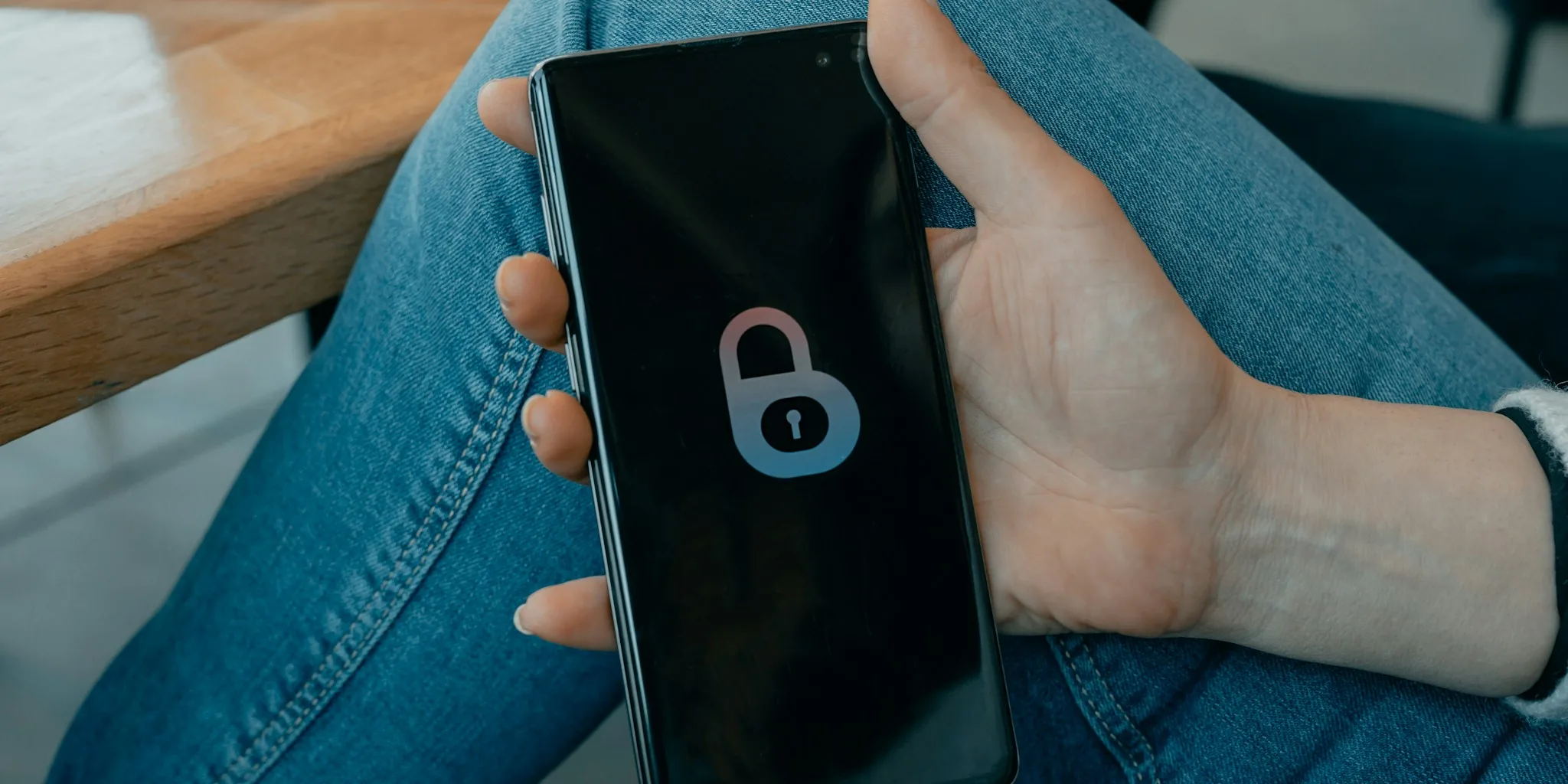
For years, iPhone users have enjoyed a straightforward privacy advantage: the ability to lock individual apps behind biometric authentication or a PIN code. It’s a feature that keeps prying eyes out of sensitive applications like banking, email, and messaging, even when someone borrows your device. Now, Android is finally bringing a native version of this protection to its users, starting with Google’s own Pixel phones.
Android 17 Introduces App Lock, a Long-Overdue Security Addition
Google has announced that Android 17 QPR2 Beta 3 will include a native App Lock feature built directly into the operating system. This addresses a gap that Android users have complained about for years. The feature works through a simple long-press on any app icon, where you’ll find App Lock listed alongside other quick actions. Once activated, the app demands either a fingerprint scan or PIN entry before anyone can access it.
The implementation goes beyond just slapping a security screen on top of an app. Google has designed App Lock to hide notification previews from your lock screen, preventing sensitive information like banking alerts or private messages from being visible at a glance. Additionally, widgets and shortcuts for locked apps disappear from your home screen, eliminating alternative routes into the application.
Settings management is straightforward. You can view all your locked apps and make changes anytime by navigating to Settings, then Security & Privacy, then App Lock. Adding or removing apps takes only seconds.
What This Means for Android and Pixel Shoppers
The gap between iPhone and Android security has been a pain point for many users considering a switch between platforms. iPhone has offered app-level security as standard for several generations, making it one of the simpler ways to keep your device private when sharing it with family or colleagues. With Android 17, Pixel users will finally get parity on this feature.
That said, there’s an important caveat. Any AI agents or services you’ve already granted access to an app will still be able to reach its data even if the app is locked. This is by design: the lock is meant to keep unauthorized people out, not to restrict assistants you’ve intentionally permitted to use the app. For most users, this is a reasonable trade-off.
The rollout timeline is also relevant for shoppers. Android 17 QPR2 is expected to arrive in December, so Pixel owners won’t have to wait long to start locking down their apps. However, it’s worth noting that this feature will initially be limited to Pixel devices running the latest Android version. Other Android phones from Samsung, Motorola, and other manufacturers may see it arrive later, if at all, depending on how quickly they adopt the new Android version.
Why This Feature Matters Now More Than Ever
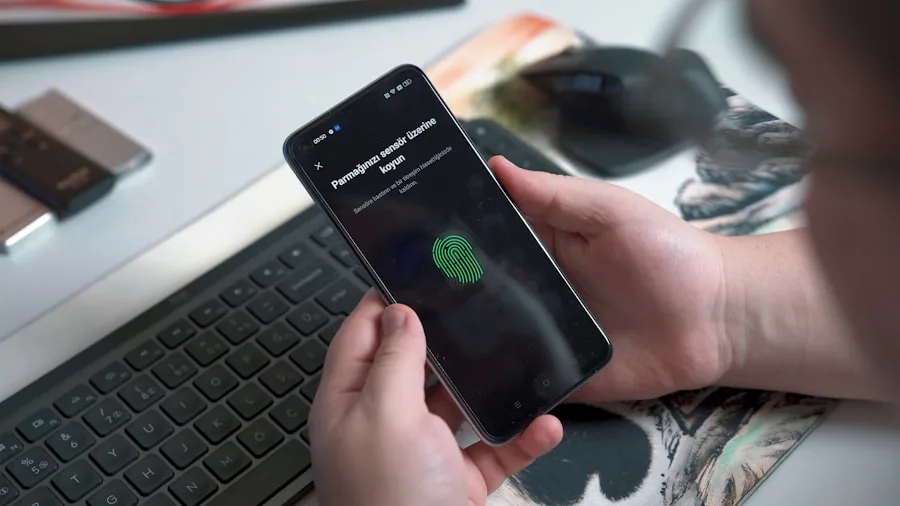
Privacy has become a central concern for smartphone buyers across all platforms. Whether you’re protecting your banking apps, messaging threads, or other sensitive data, device-level security options are now table stakes. The arrival of App Lock on Android closes a notable gap that has existed for quite some time.
For those evaluating smartphones in the Android versus iPhone debate, this update levels the playing field on a specific but important feature. If app-level security was a reason you were leaning toward iOS, Android 17 removes that particular advantage.
Of course, choosing between platforms involves many other factors beyond any single security feature. smartwatch compatibility, app availability, camera capabilities, and ecosystem integration all play roles in the decision. But for shoppers who prioritize the ability to lock individual apps without relying on third-party solutions, Android is now competitive on this front.
Other Android 17 Privacy and Usability Improvements
App Lock isn’t the only privacy-related change coming in Android 17. Google has also enhanced Quick Settings customization, allowing Pixel users to arrange notification panel sections in the order they prefer rather than being locked into Google’s default layout. Six different layout options will be available, giving users more flexibility in how they access their most-used toggles.
These incremental improvements reflect a broader trend: both major smartphone platforms are increasingly focused on giving users granular control over their devices. What once felt like a significant differentiator between iPhone and Android, the ability to lock apps, is becoming standard across the industry.
For shoppers evaluating their next phone purchase, the availability of App Lock on Android 17 Pixel phones means one less feature exclusive to the iPhone side of the comparison. When Android 17 rolls out this December, Pixel users will join iPhone owners in being able to protect their most sensitive apps with a simple authentication requirement, making the decision between platforms a bit more nuanced than it was before.
About the author
Eleanor covers smartphones for REMOVU, balancing cameras, battery life, and software support against price. She helps readers find the best value as the field shifts with every release.