Samsung Galaxy H1 Headphones Coming: What Shoppers Need to Know About the AirPods Max Competitor
Samsung is building premium over-ear headphones to rival AirPods Max, with a possible 2027 launch confirmed through leaked app code.
 By Eleanor Garcia
Updated August 15, 2026
By Eleanor Garcia
Updated August 15, 2026
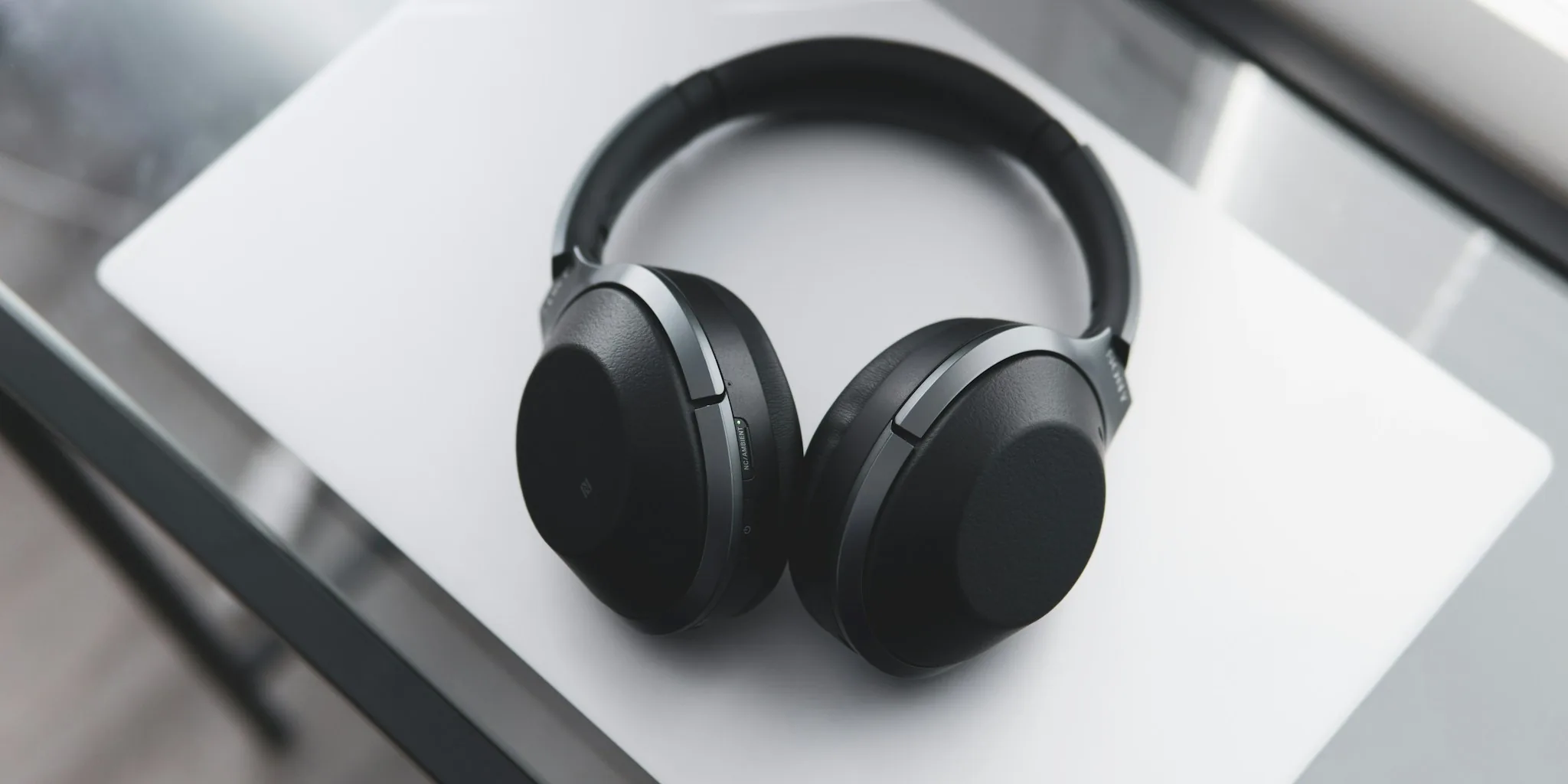
Samsung is preparing to enter the premium wireless headphone market with a new over-ear model called the Galaxy H1, marking the company’s return to a category it abandoned over a decade ago. Evidence of the device surfaced in code strings within Samsung’s Galaxy Wearable app, along with early design illustrations, suggesting the headphones are in active development. While official details remain scarce, this move signals Samsung’s ambition to challenge established players like Apple in the high-end audio space.
Samsung’s Missing Piece in Audio
Samsung has built a dominant presence across multiple audio categories, from wireless earbuds through its Galaxy Buds lineup to soundbars and innovative speakers. However, the company has noticeably avoided the over-ear wireless headphone segment for years. The last major entry came with the Level Over in 2015, which featured active noise cancellation, NFC pairing, and up to 15 hours of battery life. That product eventually faded from Samsung’s lineup as the market evolved dramatically.
A return to over-ear headphones would give Samsung a way to serve Galaxy device owners who prefer something more substantial than earbuds, especially for extended listening sessions, travel, or desk work. The company could leverage its ecosystem advantage and existing audio expertise to create a compelling option for its loyal customer base.
Positioning Against Premium Competitors

The biggest question surrounding the Galaxy H1 is where Samsung intends to position it within the market. The company could pursue an aggressive premium strategy, directly competing with Apple’s AirPods Max 2 at higher price points. Alternatively, Samsung might target the mid-premium segment where Bose’s QuietComfort Headphones (2nd Gen) and Nothing’s Headphone 1 both retail around $300.
Pricing will be crucial in determining the Galaxy H1’s market impact. A premium Samsung model would need to deliver capabilities that go beyond basic Bluetooth connectivity, such as superior noise cancellation, extended battery life, and seamless integration with Samsung devices. A more competitively priced option could provide Samsung an easier entry point into a crowded market where multiple established brands already have strong footholds. Smart device ecosystems increasingly influence hardware purchasing decisions, which gives Samsung a structural advantage with its existing user base.
Timeline and Market Opportunity
Industry sources speculate that Samsung could launch the Galaxy H1 sometime in 2027, though no official announcement or confirmed date has been provided. The extended development timeline works in Samsung’s favor, allowing the company more than a decade since its last major wireless headphone launch to refine its approach and incorporate modern features that consumers now expect.
The current market landscape differs substantially from when Samsung last competed in this space. Premium wireless headphones have evolved into a major product category with intense competition on multiple fronts: noise cancellation quality, acoustic performance, comfort for all-day wear, and platform integration. Apple, Bose, Sony, and Sennheiser have all invested heavily in this segment, creating high consumer expectations for performance and features.
What This Means for Shoppers
For consumers currently shopping for premium wireless headphones, Samsung’s development of the Galaxy H1 represents another option on the horizon. Those with strong preferences for Samsung devices or existing Galaxy ecosystem investments may benefit from native integration and optimized connectivity when the product arrives.
Shoppers who already own AirPods Max or other premium headphones don’t face immediate pressure to upgrade. However, those still evaluating their options might consider waiting to see Samsung’s specifications, features, and pricing before making a final decision. The addition of a Samsung flagship headphone could increase competition in the premium segment, potentially pushing other manufacturers to enhance their offerings or adjust pricing.
The Galaxy H1’s impact will ultimately depend on execution. Samsung has the resources, audio expertise, and ecosystem advantages necessary to create a compelling product. The leaked app evidence suggests the project is progressing, but the company has learned from its years away from this category. Ecosystem connectivity between headphones, phones, watches, and other devices continues to matter more to consumers, and Samsung can leverage its full product range to create an integrated experience that standalone competitors might struggle to match.
Until Samsung makes an official announcement, all details about the Galaxy H1 remain speculative. Features, battery life, noise cancellation capabilities, sound quality characteristics, and final pricing all remain unknown. What is certain is that Samsung recognizes an opportunity in the premium wireless headphone market and is taking steps to claim a share of this growing category.
About the author
Eleanor covers smartphones for REMOVU, balancing cameras, battery life, and software support against price. She helps readers find the best value as the field shifts with every release.