The 9 Best Robot Vacuums for Carpet
Carpet demands more from a robot vacuum than smooth floors ever will. These picks deliver the suction, anti-tangle brush design, and smart navigation your pile needs.
 By Freddie Frazier
Updated July 26, 2026
By Freddie Frazier
Updated July 26, 2026
Carpet presents a unique challenge for robot vacuums: loose fibers trap debris deep in the pile, tangles can stall motors, and gentle hard-floor suction often leaves pet hair embedded in textile loops.
As carpet coverage in American homes remains widespread, the demand for a robot vacuum that actually performs on fabric flooring, rather than just skating across it, has never been higher.
If you’ve ever watched a budget bot push crumbs around a rug instead of lifting them, you already know the frustration.
This guide cuts through the clutter by focusing specifically on carpet performance: suction power, brush-roll design, navigation precision, and self-maintenance features that matter most on pile.
Our picks, drawn from models by iRobot, eufy, Tikom, MONSGA, and WSUANE, were assessed through rigorous research synthesis covering published specifications, expert review consensus, and verified buyer feedback.
Every model carries a REMOVU Score on our 0 to 10 scale so you can compare at a glance. Read on for the picks that earned a spot on our list.
| Award | Product | REMOVU Score About REMOVU ScoreThe REMOVU Score is our own rating from 0 to 10, based on performance, design and build, ease of use, and value. It reflects independent research and is never influenced by manufacturers, retailers, or affiliate commissions. Learn more › | Price | |
|---|---|---|---|---|
| Best Premium |
 iRobot Roomba 505X Combo with AutoWash Dock
|
8.1/10 | Buy | |
| Best Overall |
 eufy E25 Robot Vacuum and Mop Combo, 20,000 Pa
|
8.6/10 | Buy | |
 WSUANE D15S Max Robot Vacuum, 10000Pa Suction, 90-Day Self-Emptying
|
7.1/10 | Buy | ||
 iMartine D16S MAX Robot Vacuum and Mop Combo
|
7.0/10 | Buy | ||
| Best Value |
 Tikom L8000 Plus Robot Vacuum with Self-Emptying Base
|
7.5/10 | Buy | |
 MONSGA MR7 PRO Robot Vacuum and Mop, 8000Pa Suction
|
7.5/10 | Buy | ||
| Best Budget |
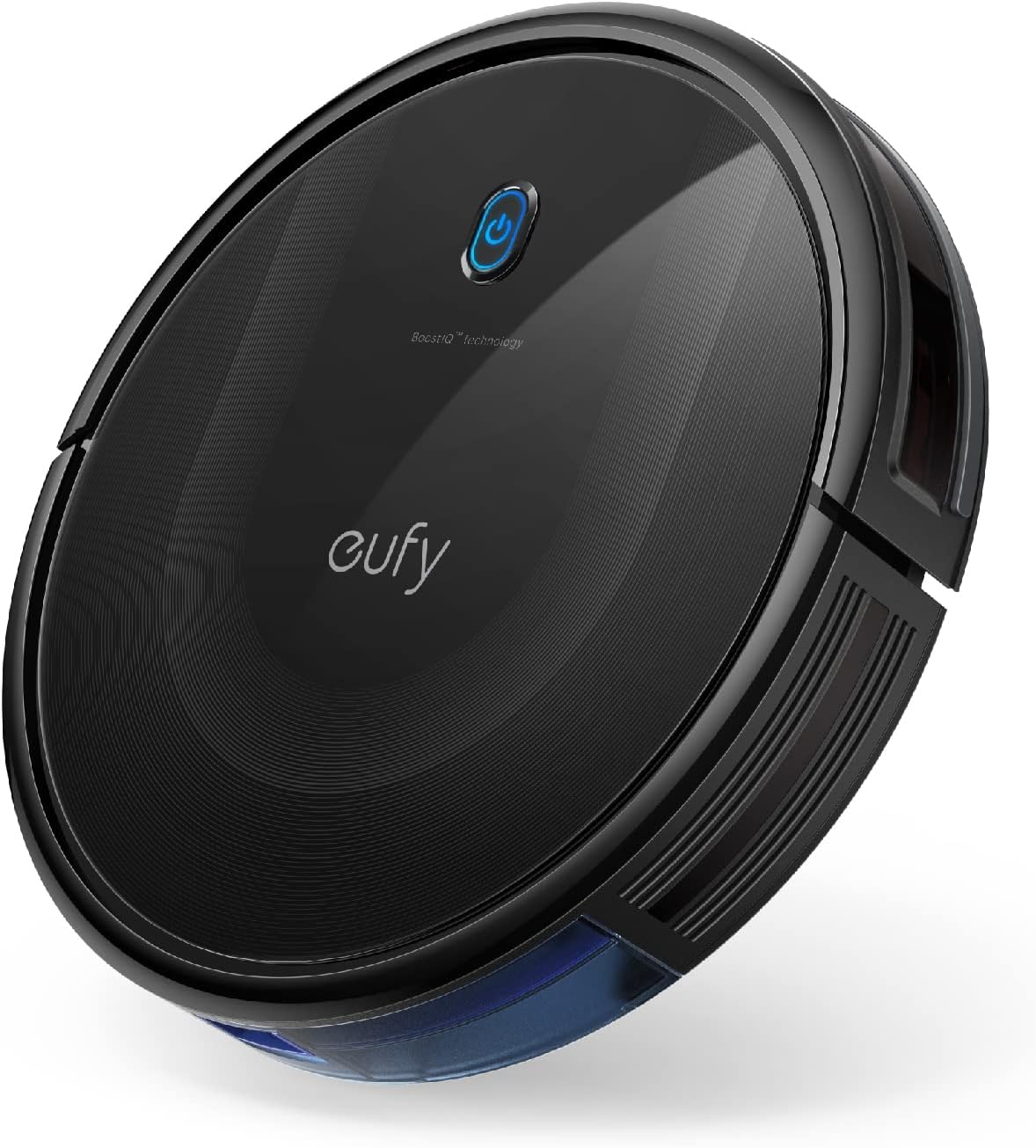 eufy 11S Max Robot Vacuum, 2.85" Ultra-Slim
|
7.2/10 | Buy | |
 Tikom G8000 Max Robot Vacuum and Mop Combo
|
6.2/10 | Buy | ||
 ROPVACNIC S1 Robot Vacuum and Mop with 5200Pa Suction
|
6.2/10 | Buy |
iRobot Roomba 505X Combo with AutoWash Dock
A hybrid vacuum-mop robot designed for busy households and pet owners, combining 70x stronger suction with dual spinning mop pads and a fully automated dock that self-empties for 75 days and heat-dries pads. Best suited for multi-surface homes willing to invest in hands-free cleaning automation.
Pros
- Comprehensive automation through the AutoWash Dock eliminates weekly mop pad maintenance and ensures up to 4 weeks of hands-free mopping
- Intelligent obstacle avoidance and object recognition reduce the need to pre-clean floors or manage cords manually
- Flexible cleaning modes (vacuum only, mop only, combo, or vacuum-then-mop) adapt to different room types and messes
- Extended mop pad coverage reaches 18% more floor area along walls and corners compared to standard pads
- Dirt Detection Technology identifies larger wet and dry messes and automatically makes extra cleaning passes
Cons
- Requires regular maintenance including bin wiping, dock water tank rinsing, and filter changes every 3-6 months, plus self-cleaning cycles for the dock
- No verified user reviews available at launch, so real-world reliability and durability remain unproven
- AutoWash Dock increases footprint and requires dedicated hard-surface floor space at least 4 feet from stairs
eufy E25 Robot Vacuum and Mop Combo, 20,000 Pa
A versatile 2-in-1 robot that vacuums and mops with real-time cleaning via HydroJet system, self-empties, and avoids obstacles across multiple floor types. Strong suction and quiet operation make it solid for households with pets, though app controls and random cleaning patterns need refinement.
Pros
- Exceptional suction and deep cleaning power, especially for pet hair and dust in carpets and grout
- Hands-free convenience with auto-emptying, mop washing, and water refilling through all-in-one station
- Operates quietly enough for work-from-home use and won't disturb most pets
- Handles transitions and obstacles well with reliable AI navigation and avoidance
- Low maintenance on brushes compared to filter upkeep
Cons
- Mobile app lacks intuitive mapping interface and floor plan management after extended use
- Cleaning pattern is randomized, sometimes missing spots or favoring certain rooms over others
- Dust emissions during emptying cycle are loud and can scatter fine particles around garbage area; filters require frequent cleaning every 40 days
WSUANE D15S Max Robot Vacuum, 10000Pa Suction, 90-Day Self-Emptying
A self-emptying combo vacuum designed for pet owners and busy households, featuring 10,000Pa suction, dToF LiDAR navigation, and an anti-tangle blade brush. The 90-day dustbin capacity and 160-minute runtime reduce maintenance, though real-world pet hair performance and mopping effectiveness remain unverified.
Pros
- Exceptional dustbin capacity eliminates frequent emptying for extended periods
- Multiple suction modes (800Pa to 10,000Pa) adapt to different surfaces and noise preferences
- dToF LiDAR plus 9 sensors (drop, collision, ground detection) enable precise navigation and mapping
- Hair-cutting blade specifically designed to prevent tangling in pet-heavy households
- Extended battery life offers up to 160 minutes per charge on quiet mode
Cons
- Zero verified user reviews limit real-world performance assessment for pet hair and mopping effectiveness
- Mopping capability mentioned in title but not detailed in specifications or features
- Noise level of 70dB in quiet mode may still be audible during operation
iMartine D16S MAX Robot Vacuum and Mop Combo
A 2-in-1 vacuum and mop with 18000Pa suction, bagless self-emptying station, and LiDAR navigation that handles multiple floor types and pet hair effectively. Smart app and Alexa control make it convenient for hands-off home maintenance.
Pros
- Strong suction handles carpets, tiles, laminate, and pet hair without tangling
- Extended runtime and auto-resume after recharge suit large multi-floor homes
- Precise LiDAR mapping and obstacle avoidance with customizable cleaning zones
- Quiet operation doesn't disrupt daily routines while maintaining cleaning power
- Easy setup and intuitive app control even for non-tech-savvy users
Cons
- Limited to 150ml water tank capacity, which may require refills for extensive mopping sessions
- No negative feedback in available reviews limits insight into potential durability or edge-case performance issues
- Dust cup size (220ml onboard) means frequent emptying in heavy-use scenarios despite large station capacity
Tikom L8000 Plus Robot Vacuum with Self-Emptying Base
This 2-in-1 vacuum and mop combines 6000Pa suction with a 90-day self-emptying base and LiDAR navigation for hands-off cleaning. Strong on pet hair and hard floors, though mopping capability is limited compared to dedicated wet cleaners.
Pros
- 90-day self-emptying dustbag capacity eliminates frequent manual emptying
- 6000Pa suction power effectively handles pet hair, dust, and debris on multiple floor types
- 360-degree LiDAR navigation and multi-floor mapping prevent missed spots and repeated passes
- Quiet operation at 60dB, even at higher suction levels
- 150-minute runtime with auto-recharge and resume functionality
- App control allows scheduling, no-go zones, and room-specific cleaning customization
- Competitively priced for a 2-in-1 vacuum and mop combo
Cons
- Mopping is basic, essentially a damp microfiber cloth pass rather than true wet cleaning
- Dark flooring and sharp color contrasts can trigger false cliff detection, causing interruptions
- Edge and perimeter cleaning performance is limited near furniture and room edges
- Replacement dustbags are brand-specific and require ongoing purchase
- Room mapping occasionally loses directional accuracy, reducing reliability of no-go zones
MONSGA MR7 PRO Robot Vacuum and Mop, 8000Pa Suction
A 2-in-1 vacuum and mop with LiDAR navigation, 90-day self-emptying capability, and strong suction for pet hair and carpets. Best for homeowners seeking low-maintenance cleaning across multiple floor types with app and voice control.
Pros
- Efficient LiDAR mapping creates accurate room layouts in minutes and adapts to multi-floor homes via 5-map memory
- Self-emptying base eliminates weekly dust bin emptying, truly reaching the claimed 90-day interval
- Dual anti-tangle system with arched side brush and all-rubber roller reduces hair wrapping, important for multi-pet households
- Combination vacuum and mop function with carpet boost automation means no attachment switching needed
- Intuitive app allows room-level scheduling, water/suction adjustment, and spot cleaning with full mapping visibility
Cons
- Mapping can occasionally reset or fail to complete if Wi-Fi connection drops, requiring remapping
- Mopping performance is surface-level only without spinning motion, not effective for deep scrubbing stubborn stains
- App interface requires some learning curve despite overall functionality; customer support operates email-only with 24-hour response windows
eufy 11S Max Robot Vacuum, 2.85" Ultra-Slim
A compact robot vacuum designed for hard floors and medium carpets, delivering quiet operation at 55dB with up to 100 minutes of runtime. Best suited for those prioritizing a slim profile and noise-free cleaning over smart home integration.
Pros
- Exceptionally slim profile (2.85 inches) slides easily under beds and sofas
- Quiet performance at 55dB allows cleaning without disturbing household activities
- Long 100-minute battery life on hardwood floors with consistent suction power
- BoostIQ technology adjusts suction within 1.5 seconds for different surface types
- Safety features include drop-sensing to prevent falls and infrared obstacle detection
Cons
- No WiFi or app connectivity; controlled exclusively by remote control, limiting convenience
- 2000Pa suction is lower than mid-range alternatives, potentially less effective on thick carpets
- No mopping capability, unlike many competing models in the robotic vacuum category
Tikom G8000 Max Robot Vacuum and Mop Combo
A budget-friendly 2-in-1 robot vacuum and mop with strong 5000Pa suction, 150-minute battery life, and app control that excels at daily maintenance on hard floors and low-pile carpets. Best for households wanting hands-off cleaning without expecting it to replace traditional vacuuming.
Pros
- Strong suction performance effectively picks up pet hair and debris from hard floors and carpets
- Vacuum and mop combination saves time on daily floor maintenance with 50 percent reduction in cleaning duration
- Excellent battery longevity handles most homes on a single charge before automatic docking
- Quiet operation rarely disturbs household routines even during extended cleaning sessions
- Anti-collision and anti-fall sensors navigate around obstacles and furniture without constant supervision
Cons
- Gets stuck frequently on low furniture and uneven surfaces requiring manual intervention and monitoring during cleaning cycles
- Mopping function performs light maintenance only and cannot replace traditional mopping for deep cleaning
- Not a complete replacement for regular vacuums and requires supplemental cleaning for thorough results
ROPVACNIC S1 Robot Vacuum and Mop with 5200Pa Suction
This 2-in-1 vacuum and mop combo delivers strong suction power and adjustable mopping for hardwood and low-pile carpets, with app and voice control. It's particularly well-suited for pet owners and those seeking a budget-friendly automated cleaning solution.
Pros
- Strong suction performance praised across verified reviews for picking up dust, pet hair, and debris
- Mopping functionality works well for routine surface cleaning on hard floors
- Intuitive app control and reliable auto-docking to charging base
- Long battery life covers extended cleaning sessions without recharge
- Low profile reaches hard-to-access areas under furniture
Cons
- Obstacle detection occasionally misses objects and bumps into walls before correcting course
- Mopping pad handles routine dust but not heavy-duty for dried stains or sticky spills
- Random navigation patterns noted when not using scheduled mode, lacks LiDAR for precision mapping
Robot Vacuums for Carpet Buying Guide
Buying a robot vacuum for carpet is a meaningfully different decision than buying one for hardwood or tile. The factors below are the ones that genuinely separate a machine that thrives on pile from one that merely tolerates it.
Work through each criterion against your specific floor plan before committing to a model.
Suction Power and Motor Performance
Suction is measured in Pascals (Pa), and carpet demands significantly more of it than bare floors. On hard surfaces, even modest airflow lifts debris efficiently because there is no fiber resistance.
On carpet, the robot must pull particles upward through interlocked fibers, which absorbs energy rapidly. Models in this roundup range from around 5,000 Pa up to 20,000 Pa, and that spread translates directly to real-world carpet clean depth.
For low-pile and medium-pile carpet, a machine in the 5,000 Pa to 10,000 Pa range is typically adequate. High-pile, shag, or Berber styles with tight loops benefit substantially from higher suction figures.
Keep in mind that peak Pa ratings are often measured at the inlet under ideal conditions; consistent sustained suction across a full room cycle matters more than a headline number.
Verified buyer feedback is one of the best indicators of real-world sustained performance, which is why REMOVU weighs that data heavily when scoring models in this category.
Many models in this guide allow you to set suction levels per zone via their companion app. Carpet zones can be assigned maximum suction while transitions to hard floor trigger a lower setting, extending battery life on multi-surface homes.
If your layout is a mix of hardwood and area rugs, this zone-based suction control is a practical feature worth prioritizing.
Brush Roll Design and Anti-Tangle Technology
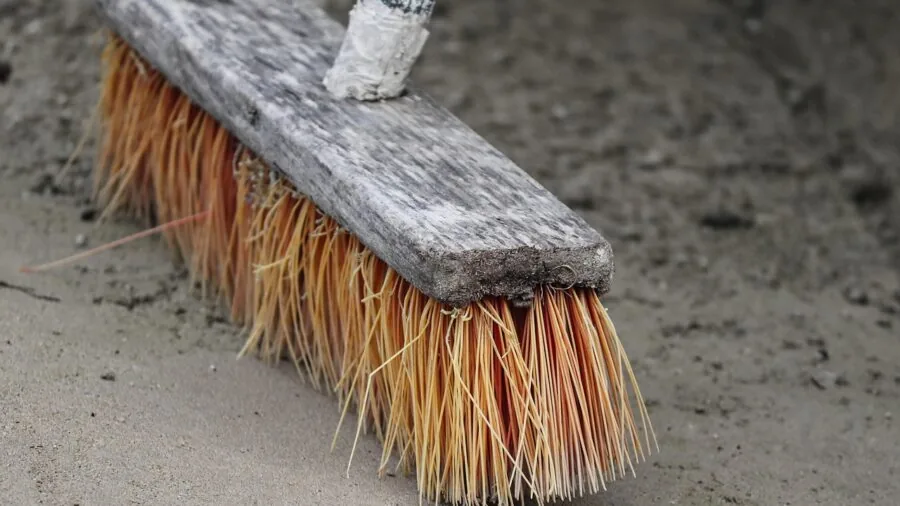
The brush roll is the component that does the physical work of agitating carpet fibers and channeling debris into the suction path.
Traditional bristle rolls are highly effective at dislodging embedded dirt but notorious for tangling with human hair and pet fur, two things that are disproportionately present in homes with carpet.
A tangled brush roll loses cleaning efficiency rapidly and requires manual maintenance that defeats the purpose of automation.
Rubber or silicone anti-tangle rollers have become the preferred architecture in this category. Their curved or split design deflects hair into the suction airflow rather than winding it around the axle.
Several picks in this guide use dual-roller configurations with specifically engineered anti-tangle geometry, and those designs received noticeably stronger marks from buyers with long-haired pets.
If your household generates significant pet hair, treat anti-tangle roller design as a near-mandatory feature rather than a nice-to-have.
Extendable side brushes also play a role on carpet, particularly along baseboards and in corners where the main roller cannot reach.
The eufy E25, for example, integrates an extendable side brush alongside its main roller to maximize edge-to-corner pickup, a detail that matters on wall-to-wall carpet where edges are a primary accumulation zone for pet hair and dust.
Navigation and Mapping Accuracy
Efficient navigation matters even more on carpet than on hard floors because repeated passes over the same fibrous surface increase wear and reduce battery range. Models that navigate randomly or haphazardly will miss sections of a room while over-cleaning others.
LiDAR-based navigation, which uses a spinning laser rangefinder to build a precise floorplan, is the current gold standard for systematic room coverage.
Several models in this guide, including those from Tikom, MONSGA, and WSUANE, use LiDAR navigation paired with smart mapping features that let you label rooms, set no-go zones, and assign cleaning schedules per area.
This level of control is particularly useful when you want the robot to avoid a delicate high-pile rug while still cleaning adjacent low-pile carpet. dToF (direct Time of Flight) laser navigation, used in the WSUANE model, is a related technology that offers similarly systematic coverage in a compact form factor.
For households with multiple stories or complex open-plan layouts, multi-floor map storage is worth confirming before you buy.
Not every model retains separate floorplans for different levels, and manually remapping on each use eliminates much of the convenience that smart navigation is supposed to deliver.
Check the companion app reviews as part of your research; a powerful navigation chip is only as useful as the software controlling it.
Self-Emptying and Maintenance Features

Carpet generates meaningfully more debris volume per cleaning cycle than hard floors because fibers hold onto particles between sessions.
That means the dustbin fills faster, and a model without a self-emptying base will require manual emptying more often than its marketing materials suggest.
Self-emptying bases, also called all-in-one stations or multifunction docks, automatically transfer the robot’s dustbin contents into a larger sealed bag or bin at the dock, extending the hands-off interval significantly.
Capacity claims among the models in this guide range from 75 days to 90 days between bag changes under typical use. The actual figure varies with home size, carpet coverage percentage, and pet presence.
A household with two shedding dogs on wall-to-wall carpet will exhaust that capacity faster than a single-person apartment with one area rug.
Treat manufacturer capacity claims as a ceiling rather than a guarantee, and favor models with larger base bins if your home skews toward high-debris production.
Some premium models in this category add self-cleaning brush roll maintenance, where the dock extracts tangled debris from the roller automatically.
The iRobot Roomba 505X integrates self-cleaning and hot-dry functions directly into its multifunction dock, which is a meaningful differentiator for buyers who want true hands-off operation.
If low maintenance is your primary motivation for going robotic, weight the dock feature set heavily in your decision.
Battery Life and Runtime on Carpet
Carpet consumes more motor energy than hard floors because the brush roll and suction system work harder against fiber resistance.
Manufacturers often publish a maximum runtime figure measured on hard surfaces or at minimum suction, which will overstate real-world performance on carpet at higher suction settings.
When comparing runtime figures across models, apply a conservative discount for carpet-specific use, especially if you plan to run the robot at maximum suction.
Runtime in this guide ranges from 90 minutes up to 160 minutes on a full charge. Most models support automatic recharge-and-resume, where the robot returns to the dock, charges, then picks up the cleaning job where it left off.
For homes larger than around 1,500 square feet, recharge-and-resume is a practical necessity rather than a bonus feature. Confirm the model you’re considering supports it before assuming it does, since not every mid-range robot in this price range includes it.
Mopping Compatibility with Carpet

Most models in this guide are marketed as vacuum-and-mop combos, but carpet and mopping are fundamentally incompatible. Running a wet mop pad over carpet can cause moisture damage, mold growth, and accelerated fiber breakdown.
The critical feature to verify is automatic mop pad lifting or intelligent carpet detection that pauses or raises the mop module when the robot transitions from hard floor to carpet.
The eufy E25 specifically uses a HydroJet roller mop with a design intended for hard floor surfaces and should be configured to avoid carpet zones via the app.
Higher-end models increasingly incorporate a lifting mop mechanism, physically raising the wet pad clear of carpet pile during transitions.
If your home has significant carpet coverage alongside hard floor areas that you also want mopped, a model with automatic mop-lift or robust no-go zone mapping for carpet is worth the premium.
Using a model with a fixed mop pad on carpet without proper zoning is one of the most common and costly misuse patterns in this category.
Why You Should Trust Us
REMOVU is an independent review publication. We have no ownership or commercial relationship with any brand featured in this guide, and our editorial team operates separately from any advertising or affiliate partnerships.
Every product in our roundups is evaluated and assigned a REMOVU Score on a 0 to 10 scale using a consistent set of category-specific criteria applied uniformly across all models we assess.
Our evaluation process for robot vacuums is grounded in four complementary research streams: published technical specifications from manufacturers, consensus findings from expert reviewers across the industry, verified buyer feedback from confirmed purchasers, and publicly available performance data with traceable sources.
We do not conduct our own product trials; our evaluations are grounded in research, published data, expert review consensus, and verified buyer feedback.
This synthesis approach allows us to assess a broader range of models than any single reviewer could evaluate alone, and to surface patterns in real-world performance that no single source captures on its own.
In the interest of full transparency: REMOVU may earn a commission if you purchase through a link in this article. That affiliate relationship does not influence which products we include, how we rank them, or the scores we assign.
Our picks are determined entirely by research merit. We do not accept payment for placement, and no brand reviewed here has had editorial input into this article.
Final Thoughts
Carpet cleaning is where robot vacuums genuinely earn their keep or reveal their limits.
The models in this guide were selected because they each demonstrate a meaningful strength for pile-surface cleaning, whether that’s raw suction headroom, sophisticated anti-tangle engineering, precision LiDAR navigation, or hands-off self-maintenance.
Your best pick depends on your carpet type, home size, pet situation, and how much ongoing maintenance you’re willing to do.
Here is how the standout picks break down by role:
- Best Overall: eufy E25 Robot Vacuum and Mop Combo earns the top overall position with the highest REMOVU Score in this group, combining 20,000 Pa suction, a zero-tangle design, extendable side brush for edge coverage, and an all-in-one station that handles docking and self-maintenance in one footprint.
- Best Premium Pick: iRobot Roomba 505X is the choice for buyers who want the most complete hands-off experience, with a multifunction dock that self-empties, self-cleans the brush roll, and hot-dries the mop pads, backed by iRobot’s AI obstacle avoidance and strong carpet suction.
- Best for Pet Hair on Carpet: MONSGA Robot Vacuum and Mop pairs 8,000 Pa suction with a dual anti-tangle roller system and 90-day self-emptying capacity, making it a well-rounded option for households with heavy pet shedding on mixed carpet and hard floor surfaces.
- Best Mid-Range Value: Tikom L8000 Plus delivers LiDAR navigation, a self-emptying base with 90-day capacity, and 6,000 Pa suction at a mid-range price point that undercuts many competitors with comparable navigation architecture.
- Best Budget Pick: eufy 11S MAX Robot Vacuum remains a compelling entry-level option for low-pile and medium-pile carpet, offering a super-thin profile that navigates under furniture easily and self-charging capability at a budget-friendly price that leaves little to argue with for smaller spaces.
Whichever model you choose, pairing your robot vacuum routine with a broader smart home ecosystem, including smart thermostats and security cameras, makes it easier to schedule and monitor cleaning remotely without being home.
If you also share your space with pets, our coverage of pet tech has additional recommendations worth browsing.
Frequently Asked Questions
Can Robot Vacuums Actually Deep-Clean Thick Carpet?
High-suction models in the 8,000 Pa to 20,000 Pa range perform well on medium-pile carpet and acceptably on thick-pile, but no robot vacuum fully replicates a deep-cleaning upright or canister pass on very high-pile shag.
For everyday maintenance cleaning, robot vacuums excel at keeping carpet debris levels low between deeper manual sessions. The key variables are suction power, brush roll agitation, and how frequently the robot runs.
Daily or near-daily cycles on thick carpet will outperform weekly cycles at any suction level.
Will a Robot Vacuum Damage Carpet Fibers Over Time?
Properly designed brush rolls at appropriate suction levels do not meaningfully damage carpet fibers under normal use. The risk increases with very high-pile or delicate wool rugs where aggressive agitation can pull fibers loose.
Rubber anti-tangle rollers are gentler on fiber structure than traditional bristle rolls.
If you have a fragile antique rug or high-pile shag, use the app’s no-go zone feature to exclude it from the robot’s cleaning path rather than running the machine over it at full suction.
Do Robot Vacuums Get Stuck on Carpet Edges and Transitions?
Carpet-to-hard-floor transitions and thick rug edges are a known obstacle for robot vacuums.
Most models handle transitions up to about 0.8 inches (20mm) without difficulty, but thicker rug borders or doorway saddles can cause the robot to get high-centered or turn back.
Models with rubber wheels and a lower clearance profile tend to navigate transitions more reliably than taller designs. If your home has thick shag rugs with heavy-pile borders, verify the climb height specification for any model you’re considering.
How Often Should I Run a Robot Vacuum on Carpet?
For homes with pets or high foot traffic on carpet, daily scheduling produces noticeably better results than less frequent runs.
Carpet fibers trap debris over time, and the longer particles sit, the deeper they migrate into the pile, making subsequent extraction harder.
Most models in this guide support daily scheduling via their companion app at no additional effort once the schedule is configured. Homes with minimal foot traffic and no pets can maintain clean results with three to four cycles per week.
Self-emptying models make frequent scheduling practical since you’re not manually emptying the dustbin after every session.
Is It Worth Spending More on a LiDAR Navigation Model for Carpet?
For homes with complex layouts or a mix of carpet and hard floor zones, LiDAR navigation is worth the price premium over gyroscope or camera-only navigation.
The ability to assign specific suction levels, mop restrictions, and no-go zones per room is only possible with accurate mapping, and LiDAR consistently produces more reliable maps than alternatives.
For a small single-room studio with one carpet type throughout, the upgrade is less critical. As home size and layout complexity increase, the value of precise navigation compounds quickly.
What Is the Difference Between a Robot Vacuum and a Robot Vacuum-Mop Combo on Carpet?
A vacuum-only robot focuses entirely on dry particle pickup, while a combo unit adds a wet mopping function intended for hard floors.
On carpet, the mopping function should always be disabled or zoned away using the app, since wet pads on carpet fibers cause moisture damage and potential mold growth.
The vacuum performance of combo units is generally comparable to vacuum-only models at similar price points, so the combo functionality is most valuable in homes with a significant proportion of hard floor alongside carpet.
Always verify that a combo model supports carpet detection or mop-lift before purchasing it for a predominantly carpeted home.
Related Guides
About the author
Freddie covers PC cases for REMOVU, balancing airflow, size, and build quality against looks. He helps builders match a case to their parts and their desk.