The 9 Best Smartphones for Kids
Finding a phone that balances safety, learning, and age-appropriate features is harder than it looks. Our picks cover everything from toy handsets for toddlers to monitored smartphones for teens.
 By Marian Steward
Updated July 26, 2026
By Marian Steward
Updated July 26, 2026
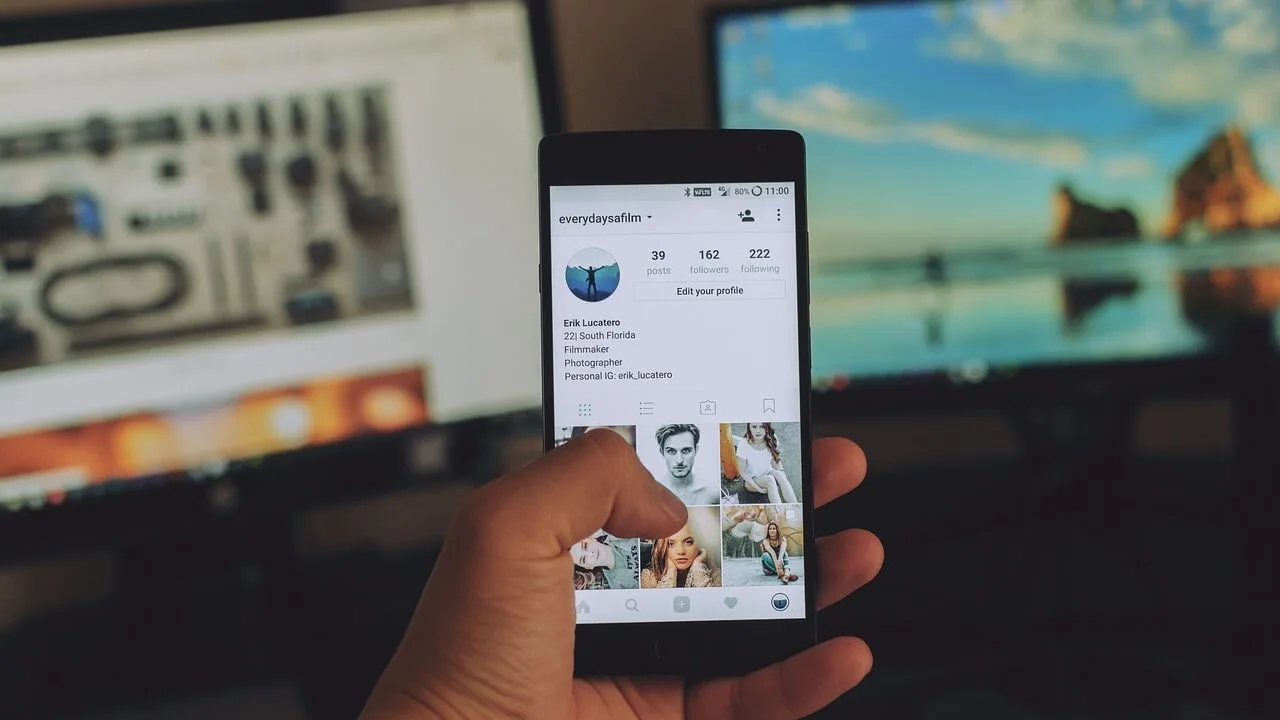
Choosing a phone for a child has become one of the more consequential decisions a parent makes, sitting at the intersection of safety, screen time, education, and social development.
The market now spans everything from colorful toy-style handsets loaded with learning games to fully functional smartphones with robust parental controls and GPS tracking.
Because the stakes are real and the options genuinely confusing, getting this decision right matters more than most gadget purchases. If you are browsing phones, tablets, and wearables for younger users, this guide is a practical starting point.
REMOVU’s editorial team researched this category by analyzing published specifications, synthesizing expert review consensus, and combing through verified buyer feedback across hundreds of real-world purchases.
Our picks cover pretend-play phones for toddlers, mid-range educational handsets, and full-featured kids’ smartphones for older children and teens. The list below ranks our top selections so you can find the right fit quickly.
| Award | Product | REMOVU Score About REMOVU ScoreThe REMOVU Score is our own rating from 0 to 10, based on performance, design and build, ease of use, and value. It reflects independent research and is never influenced by manufacturers, retailers, or affiliate commissions. Learn more › | Price | |
|---|---|---|---|---|
| Best Overall |
 Bark Phone A16 - Kids Android with Parental Monitoring
|
9.1/10 | Buy | |
| Best Premium |
 PROGRACE Kids Smart Phone 4.2in Touchscreen
|
8.3/10 | Buy | |
 PROGRACE Kids Smart Phone 4.2" with Parental Controls
|
7.6/10 | Buy | ||
| Best Value |
 Byserten Kids Phone 3.5-Inch Touchscreen with Dual Camera
|
6.4/10 | Buy | |
 WEOLULI Kids Smart Phone with Dual Camera and Learning Games
|
6.3/10 | Buy | ||
| Best Budget |
 Dyurwa Kids Smart Phone 2.8 Inch Touchscreen
|
6.2/10 | Buy | |
 Luoba Kids Smart Phone 2.8" Touchscreen, Purple
|
6.2/10 | Buy | ||
 Luyiilo Kids Smart Phone Toy, 2.8-inch Touchscreen
|
6.2/10 | Buy | ||
 Joyjam 3.5" Kids Smart Phone with Touchscreen
|
6.2/10 | Buy |
Bark Phone A16 - Kids Android with Parental Monitoring
A Samsung Galaxy A16-based phone built specifically for kids and teens, featuring state-of-the-art content monitoring across 30+ social media platforms, tamper-proof parental controls, and real-time GPS tracking. Monthly service plans start at $29 for Wi-Fi only, scaling to $79 for unlimited data, making it suitable for parents seeking structured digital safety without sacrificing core smartphone functionality.
Pros
- Comprehensive monitoring across multiple communication channels and social platforms catches genuine safety concerns
- Content filtering and screen time pause features provide meaningful internet management without complex setup
- Parents report strong peace of mind with location tracking and the ability to approve all contacts and apps
- Large 6.7-inch display and water-resistant build suit active kids and teens
- Plan flexibility allows starting restrictive (Wi-Fi only) and upgrading as children demonstrate responsibility
Cons
- Setup can fail for some users due to device activation issues, requiring Amazon returns with unclear troubleshooting from Bark support
- GPS location accuracy issues reported, occasionally triggering false alerts for minor movements within home
- Ongoing monthly subscription fees ($29-$79) stack significantly on top of device cost over multi-year ownership
PROGRACE Kids Smart Phone 4.2in Touchscreen
A supervised smartphone designed for ages 5-14 with real calling and texting limited to parent-approved contacts, dual cameras, and 270+ pre-loaded educational apps. Strong parental controls and a closed system eliminate download and browsing risks, though it requires a separate SIM card and AT&T compatibility.
Pros
- Closed ecosystem with curated, ad-free content eliminates inappropriate downloads and pop-ups
- Parent-approval whitelist system gives confidence about who children contact
- Camera quality praised in reviews for clear photos and video, includes autofocus
- Durable build with included protective case and lanyard, survives drops well
- Pre-loaded educational content covers English, math, logic, and STEM without requiring setup
Cons
- SIM card not included; requires separate AT&T SIM card for cellular activation
- Limited to AT&T network compatibility only
- Older Android 4.0 operating system, no support for current app ecosystem
PROGRACE Kids Smart Phone 4.2" with Parental Controls
A closed-ecosystem kids phone designed for ages 5-14, offering real calling and texting with parent-approved contacts only, plus over 270 educational apps and games pre-installed. The 4.2-inch screen, dual cameras, and 3500mAh battery support all-day use, while advanced parental controls let you manage screen time and whitelist contacts through a companion app.
Pros
- Restricted contact list and closed system provide genuine safety boundaries without requiring carrier plan negotiations
- Extensive pre-loaded educational content ($50+ value) means no need to hunt for age-appropriate apps
- Generous storage and fast-charging battery support photo, video, and learning app use throughout the day
- Simple parental controls accessible through app let you manage most settings without technical complexity
Cons
- SIM card not included, requiring separate AT&T activation and ongoing wireless plan costs
- No water resistance rating means the device is vulnerable to accidental liquid exposure
- Limited to AT&T network compatibility only, restricting carrier options for parents
Byserten Kids Phone 3.5-Inch Touchscreen with Dual Camera
A screen-free alternative designed for ages 3-10, this toy phone bundles 27 educational games, dual cameras, habit tracking, and measurement tools without requiring Wi-Fi or in-app purchases. Reviews highlight strong educational value and durability, though some users report occasional defective units and basic sound quality.
Pros
- Comprehensive offline learning: 27 games, ABCs with animal sounds, 10 fables, 23 global landmarks, and measurement tool for real-world math concepts
- Parental controls with built-in daily play limits and timer settings for balanced screen time
- Dual cameras with video recording, voice recorder, and 20 stickers support creative expression and memory-making
- Includes protective case, lanyard, and 1000mAh battery with solid longevity between charges
- No Wi-Fi, cellular, or app store means no in-app purchases or internet safety concerns
Cons
- Quality control issues reported by some buyers, with devices arriving defective or failing to power on despite charging
- Screen protector described as flimsy plastic film with limited durability
- Audio and photo quality are functional but basic for a toy device, and some game logic may be unclear to younger users
WEOLULI Kids Smart Phone with Dual Camera and Learning Games
A feature-rich pretend phone designed for ages 3-10 that blends entertainment with educational content, including 26 alphabet lessons, 13 puzzle games, and dual cameras for photo and video capture. The compact design and 4-5 hour battery life make it portable, though the camera quality and screen size reflect its toy-grade positioning.
Pros
- Strong educational value with alphabet lessons, country landmarks, and story-based learning content
- Excellent durability according to verified reviews, with sturdy buttons and protective silicone case included
- Appropriately sized for small hands and portable for travel without actual call capabilities to distract
- High user satisfaction with 4.6-star rating from 2,260 reviews praising entertainment factor and learning features
- Includes all necessary accessories: 8GB memory card, charging cable, lanyard, and protective case
Cons
- Camera quality is basic and photo resolution is limited compared to actual smartphones, though reviewers note young children don't mind
- Screen size and overall device footprint are small, which some reviewers felt limited feature expansion potential
- Battery capacity of 600mAh requires 2-3 hour charging cycles, so continuous use is time-limited
Dyurwa Kids Smart Phone 2.8 Inch Touchscreen
A feature-packed toy phone designed for ages 3-12, combining educational games, dual cameras, and practical tools like a calculator and flashlight. The durable silicone shell and included 8GB card make it a self-contained option for kids seeking a smartphone experience without real device risks.
Pros
- Wide range of built-in functions (games, MP3 player, camera, calculator, voice recording) keeps children engaged
- Educational content like ABC learning and fable stories supports early literacy and moral development
- Durable design with silicone shell and included lanyard reduces damage risk during everyday use
- Comes with 8GB storage card, removing the need for separate purchase
- High rating of 4.9 stars indicates consistent user satisfaction
Cons
- No specifications provided for battery life or processor performance, making it difficult to assess longevity during extended use
- Limited details on game variety and quality beyond stating 25 titles exist
- Small 2.8 inch screen may be cramped for extended gaming sessions compared to standard tablets
Luoba Kids Smart Phone 2.8" Touchscreen, Purple
A pretend smartphone for ages 3-12 featuring a 2.8-inch touchscreen, dual cameras, 13 games, music player, and educational content like alphabet learning and landmark exploration. No internet or call functions make it a safe first device alternative, though younger kids may need adult help with some games.
Pros
- Keeps kids entertained with variety of games, camera, music, and learning content without screen time concerns
- Compact and durable design withstands drops and rough play; highly rated at 4.5 stars from 5,138 reviews
- No internet connectivity eliminates parental monitoring burden while supporting in-depth learning like alphabet and world landmarks
- Complete accessory package with case, cable, card, and lanyard included
Cons
- Not waterproof; games may be challenging for younger children (under 4) who need adult assistance to complete them
- Memory card requires reset button press after reinsertion to function properly; image quality is basic for a toy device
Luyiilo Kids Smart Phone Toy, 2.8-inch Touchscreen
A pretend smartphone designed for ages 3-9 with a 2.8-inch HD touchscreen, dual cameras, and 16 built-in learning games. The silicone shell and protective screen film provide drop protection, though this is purely a toy device with no calling, texting, or internet connectivity.
Pros
- Dual cameras with photo sticker options encourage creative play and imagination
- Silicone case and tempered glass protector offer genuine durability for active use
- 16 games provide educational value while keeping kids engaged
- No SIM card or connectivity eliminates screen time and data concerns for parents
- Compact size (3.14 x 6.2 x 1.14 inches) makes it portable
Cons
- Cannot make calls or send texts, limiting realistic phone simulation compared to more advanced pretend devices
- No customer reviews available yet to verify real-world performance and durability claims
- Suitable age range (3-9 years) may have limited appeal for older children who want actual smartphone-like features
Joyjam 3.5" Kids Smart Phone with Touchscreen
A pretend smartphone designed for ages 3-8 with a real 3.5-inch touchscreen, dual cameras, and 26 educational games plus habit-tracking features. Parents appreciate the anti-addiction mode and offline design, though some users report occasional freezing and rare startup issues.
Pros
- Realistic 3.5-inch IPS touchscreen delivers genuine smartphone feel kids enjoy
- Comprehensive learning features: ABC alphabet learning, puzzle games, fables, and landmark recognition
- Habit tracker builds daily routines by reminding kids to brush teeth, eat, do homework, and sleep on schedule
- Dual camera setup with 20 stickers lets kids take selfies and create videos without internet risks
- Comes with protective case, lanyard, 8GB memory card, and screen protector for durability
- Anti-addiction mode lets parents set daily time limits to prevent overuse
Cons
- Device occasionally freezes during use, though typically returns to normal function
- Some units fail to power on after initial setup despite troubleshooting attempts
- Pre-loaded songs and stories described by owners as annoying, limiting appeal for some children
Smartphones for Kids Buying Guide
The right kids’ phone depends heavily on your child’s age, how much real-world connectivity you need, and how much parental oversight you want built in.
A toy phone for a four-year-old and a monitored smartphone for a thirteen-year-old serve entirely different purposes, yet both categories are often lumped together in search results.
The sections below break down each key decision point so you can match the device to the child, not just the price tag.
Age-Appropriate Design and Durability

For children aged three to seven, form factor matters as much as features. Smaller hands need smaller bodies, and drop-prone ages demand rubberized edges or reinforced casings.
Pretend-play handsets in this group, such as those from JOYJAM, Luoba, Luyiilo, and Byserten, are purpose-built for rough handling.
Their compact touchscreens, typically 2.8 to 3.5 inches, are sized for little fingers, and the plastic construction is meant to survive tumbles that would shatter a flagship glass panel.
For kids aged eight and older who are transitioning to real connectivity, build quality shifts toward something closer to an entry-level smartphone.
PROGRACE’s handsets, for instance, use a 4.2-inch touchscreen and a form factor that mirrors adult devices without crossing into the fragility range of a premium glass-and-metal phone.
Think about whether your child will carry the device in a backpack, a pocket, or mostly use it at home, since that usage pattern should drive your durability requirements.
Screen protector compatibility and case availability are worth checking before you buy. Some toy-category phones ship with protective bumpers included; others leave that entirely to the buyer.
Verified buyer feedback consistently flags drops as the leading cause of early failure in this product category, so protective accessories are rarely optional.
Real Connectivity vs. Toy Functionality

This is the single most important distinction in the kids’ phone market. Toy phones, regardless of how realistic they look, cannot make calls, send texts, or access the internet.
They run self-contained apps stored on an internal chip or SD card, which is precisely what makes them appropriate for toddlers and early elementary-aged children. There is no accidental in-app purchase, no stranger contact risk, and no Wi-Fi dependency.
Real smartphones with parental controls occupy a different tier entirely.
The Bark Phone, for example, operates on an actual cellular network with unlimited talk and text, and it layers on monitoring software that scans texts and social media for concerning content, plus GPS location tracking.
PROGRACE devices sit in a middle ground, functioning as standalone phones with calling capability but marketed specifically toward children aged five to fourteen with parental oversight features built in.
Parents often underestimate how quickly children outgrow toy phones once they hit school age and need to contact parents independently.
If your child is six or older and will be in situations where real communication is necessary, factor that need into your decision now rather than purchasing twice within a year.
For comparison, you might also explore kids’ smartwatches as a calling and GPS alternative that avoids a full smartphone screen.
Parental Controls and Content Safety
For any device that connects to the internet or cellular networks, parental controls are non-negotiable. The sophistication of these controls varies enormously across the products in this guide.
Toy phones have no internet access and therefore no content risk, but they also offer no controls over screen time duration, which parents of younger children sometimes find frustrating.
The Bark Phone stands apart in this category because its core selling proposition is the monitoring layer, not the hardware.
Bark’s software uses algorithms to flag potentially harmful content in messages and social media, sends alerts to parents rather than logging everything, and enforces tamper-proof controls that older children cannot easily bypass.
This is a meaningful distinction from simple app blockers that a determined teenager can circumvent with basic workarounds.
The PROGRACE devices offer more traditional parental controls at a lower price, suitable for children who are not yet navigating social media independently.
Ask yourself whether you need passive monitoring, active control, or both. Passive monitoring, such as Bark’s alert system, is designed for older kids who need some autonomy.
Active control, where a parent approves every app and contact, suits younger children moving to their first real phone. Neither approach replaces conversation, but the right tool supports the trust-building process at each developmental stage.
Parents looking for a supplementary connected device might also consider kids’ tablets, which often carry more robust content-filtering ecosystems.
Educational Content and Learning Features

The toy-phone segment markets itself heavily on educational value, and there is genuine substance to that claim when the content is well-curated.
Look for phones that include phonics and reading games, basic math activities, habit trackers, and creative tools like cameras rather than devices that load up on passive video content.
Brands like JOYJAM, Luyiilo, and Byserten bundle their handsets with learning games specifically targeting the three-to-nine age window, with difficulty calibrated to early childhood development benchmarks.
SD card expandability is a meaningful differentiator here.
A phone that ships with 8 GB of internal storage sounds limited, but if it accepts a standard microSD card, parents can load additional audiobooks, language learning content, or curated story packs as the child grows.
Several models in this guide ship with an 8 GB card included, which is enough to get started but worth expanding if you plan to use the device heavily over multiple years.
For parents who see the device primarily as an educational tool, the camera is also worth evaluating. Dual-camera setups, even at modest resolutions, give children a front-facing selfie mode alongside a rear camera, encouraging creative play and early digital literacy.
If photography is a priority in your household, our smartphones for photography guide covers how camera systems work at a more technical level, which can inform what to look for even in entry-level kids’ cameras.
Battery Life and Charging Convenience

Battery life is rarely the headline spec in kids’ phone marketing, but it is consistently one of the top complaints in buyer reviews.
Toy phones in this price range typically run on small batteries that support a few hours of active play per charge, which is usually sufficient for a single play session.
Problems arise when parents forget to charge overnight or when the device is used heavily during travel.
Real smartphones in the kids’ category, including both PROGRACE models and the Bark Phone, carry larger batteries designed for all-day use.
For a child who carries the phone to school, reliable battery life through a full school day is a practical requirement.
Check whether the charging connector is USB-C, which is increasingly universal, or an older micro-USB or proprietary plug, since losing a proprietary charger can render the phone unusable until a replacement arrives.
Total Cost of Ownership

The sticker price of a kids’ phone tells only part of the story. Toy phones in the budget tier require no ongoing subscription and no carrier plan, making their total cost equal to the purchase price plus any accessories.
That simplicity is one of their underappreciated advantages for younger children who do not yet need cellular connectivity.
Real smartphones introduce carrier plan costs, and in the case of the Bark Phone, a monthly monitoring subscription on top of the hardware cost.
Before comparing devices purely on sticker price, calculate the twelve-month total: hardware plus any required service fees.
For families already paying for a family cellular plan, adding a line for a child’s PROGRACE or Bark device may cost less incrementally than it appears at first glance.
For families upgrading from a toy phone, the jump in monthly cost can be significant and should be planned rather than discovered after purchase. Our smartphones buying guide covers how to evaluate total cost across device tiers more broadly.
Why You Should Trust Us
REMOVU is an independent review platform. We evaluate each product using our structured REMOVU Score methodology, which rates every device on a consistent 0 to 10 scale across criteria relevant to the product category.
For kids’ phones, our scoring framework weights parental control depth, age-appropriate design, durability signals from buyer feedback, educational content quality, and real-world connectivity against the stated target age range.
We do not conduct our own product trials; our evaluations are grounded in research, published data, expert review consensus, and verified buyer feedback.
Every score reflects a synthesis of publicly available specifications, analysis of what verified purchasers report after extended use, and cross-referencing with independent expert assessments of the category.
We do not accept payment to influence rankings, and no product placement or sponsorship affects our scores.
REMOVU may earn a commission if you purchase through a link in this article. That affiliate relationship has no bearing on which products appear in our rankings, what score they receive, or how we describe their strengths and limitations.
Our editorial positions are determined by our scoring methodology, not by commercial considerations. We do not handle orders, returns, or product support; for those matters, refer to the retailer or manufacturer directly.
Final Thoughts
The kids’ phone market serves genuinely different audiences, and our top picks reflect that range. Here is how our highest-scoring selections break down by use case:
- Best Overall: Bark Phone earns the top REMOVU Score in this group by delivering the most comprehensive safety ecosystem available on a kids’ smartphone, combining real cellular connectivity, algorithmic content monitoring, GPS tracking, and tamper-proof parental controls in a single device. It is the pick for families who want the most capable safety net as their child enters adolescence.
- Best Mid-Range Kids’ Smartphone: PROGRACE Kids Smart Phone (Blue) offers genuine talk-and-text functionality, a full-size touchscreen experience, and a child-friendly design at a significantly more accessible price point than the Bark Phone, making it an excellent choice for children aged five to fourteen who need real phone capability without the premium monitoring subscription.
- Best for Older Kids and Tweens: PROGRACE Kids Smart Phone (Pink) matches its blue sibling in core functionality and earns a strong REMOVU Score, giving parents a gender-inclusive option at roughly the same tier for children who are ready for a phone that functions like an adult device but stays within a supervised environment.
- Best Educational Toy Phone: Byserten Kids Phone leads the toy-phone tier in our scoring thanks to its combination of dual cameras, a habit tracker, a broad library of learning games, and a durable build, making it the most rounded option for parents who want educational value without any cellular connectivity risk.
- Best Budget Toy Phone: Dyurwa Kids Smart Phone Toys delivers the most features per dollar in the pretend-play segment, with 25 learning games, an MP3 player, and dual cameras at a price that makes it a low-risk gift for younger children who may outgrow the device quickly.
Whichever direction you go, the core question to answer first is whether your child needs real connectivity or age-appropriate play. That single decision narrows the field considerably and ensures you spend money on the right category from the start.
For families weighing connected options more broadly, fitness trackers and smartwatches can also serve as gentler first steps into wearable connectivity before a full phone commitment.
Frequently Asked Questions
What age is appropriate for a child’s first smartphone?
Most child development experts suggest that a full internet-connected smartphone is most appropriate from around age twelve or thirteen, though the right timing depends on the individual child’s maturity and the family’s communication habits.
For younger children aged three to eight, a toy phone with self-contained educational apps provides phone-like play without connectivity risk.
Children in the eight-to-twelve range often benefit from a transitional device, such as a monitored smartphone or a calling-capable kids’ phone, that introduces real communication under parental supervision.
If your child is also eyeing a wearable device, our category guide to kids’ smartwatches covers GPS and calling options that may suit younger ages better than a full phone.
Are toy phones actually educational, or are they just marketing?
The quality of educational content varies considerably across brands. The strongest options in this guide, including devices from JOYJAM, Byserten, and Luyiilo, include phonics games, early math activities, and creative tools that align with early childhood learning frameworks.
That said, no toy phone replaces structured learning time, and buyer feedback consistently notes that children engage most with the camera and music features rather than the academic games.
Treat educational content as a value-add rather than the primary reason to purchase, and evaluate it against how your child typically engages with interactive toys.
How do kids’ smartphones compare to kids’ tablets for learning?
Kids’ tablets generally offer larger screens, longer battery life, and more robust content ecosystems, making them better suited for extended learning sessions and video content.
A kids’ phone is more portable and mirrors the social object that children see adults using, which has its own motivational value. For structured learning at home, a kids’ tablet typically provides a richer experience.
For on-the-go entertainment and communication readiness, a phone-form device is more practical. Many families end up with both, used in different contexts.
What parental control features should I prioritize?
For younger children on toy phones, screen time duration management is the primary concern, since these devices have no internet access.
For children on real smartphones, prioritize contact list control (who can call or text the child), app download restrictions, content filtering for browsing, and location sharing.
The most advanced implementations, like the Bark Phone’s monitoring system, add proactive alerts for concerning content patterns rather than just passive blocking.
GPS tracking is particularly valued by parents of children who walk to school or participate in after-school activities independently.
Whatever platform you choose, verify that the parental control interface is manageable for your own technical comfort level; controls you find too complex to configure consistently will not protect your child effectively.
Can I use a kids’ smartphone without a carrier plan?
Toy phones in the pretend-play category require no carrier plan and no Wi-Fi connection; they are entirely self-contained. For real smartphones, the answer depends on the device and your goals.
A PROGRACE handset connected only to home Wi-Fi can still run games and media apps, but it cannot make calls or send texts without a SIM card and active plan.
The Bark Phone requires both a cellular plan and a Bark subscription to deliver its full monitoring and communication features.
If you want a connected device for home use only without a carrier commitment, consider whether a kids’ tablet with Wi-Fi capability better fits that scenario.
You might also find our broader compact smartphones guide useful for understanding how SIM and connectivity options work across different phone form factors.
Are these phones compatible with major carrier networks?
The Bark Phone and PROGRACE smartphones are designed to operate on standard GSM and LTE networks, making them compatible with major US carriers and most MVNOs.
Toy phones from brands like JOYJAM, Luoba, Luyiilo, and Dyurwa are not carrier-compatible and do not accept SIM cards.
Before purchasing any real smartphone for a child, verify network band compatibility with your specific carrier, particularly if you are on a smaller regional or prepaid network.
The manufacturer’s product page and your carrier’s BYOD (bring your own device) checker are the most reliable resources for that confirmation.
About the author
Marian covers item trackers like AirTag and Tile for REMOVU, focusing on finding-network coverage, range, and battery life. She helps readers pick a tracker that reliably locates keys, bags, and luggage.