Canon EOS R8 Mark II Launch: What Shoppers Need to Know About the New Mirrorless Challenge
The Canon EOS R8 Mark II launches with improvements that buyers wanted. Here's what changed and why it matters.
 By Lawrence Hale
Updated November 24, 2026

Canon just released the EOS R8 Mark II, a full-frame mirrorless camera that is already shaking up the competitive landscape in Japan and beyond. Since its October 2025 debut, this new model has claimed multiple spots on best-seller charts at major retailers, signaling that shoppers are ready to embrace Canon’s latest offering in the crowded mirrorless market.
Record-Breaking Debut Signals Market Shift
The EOS R8 Mark II secured three positions simultaneously in Yodobashi’s top-selling cameras ranking shortly after launch. While it landed in second place overall, it also claimed the fourth and ninth positions when bundled with different lens kits. This performance is noteworthy because it demonstrates strong buyer interest in a camera designed to be more accessible than premium alternatives. For years, Sony’s A7 V held dominant market position, but Canon’s new entry-level full-frame option is now competing directly for attention and sales.
Retailers like Map Camera have noted that this camera represents a significant breakthrough for Canon after a period of struggling to capture market share. The company’s willingness to address previous shortcomings shows they listened to photographer feedback and delivered meaningful improvements.
Key Specifications and Features
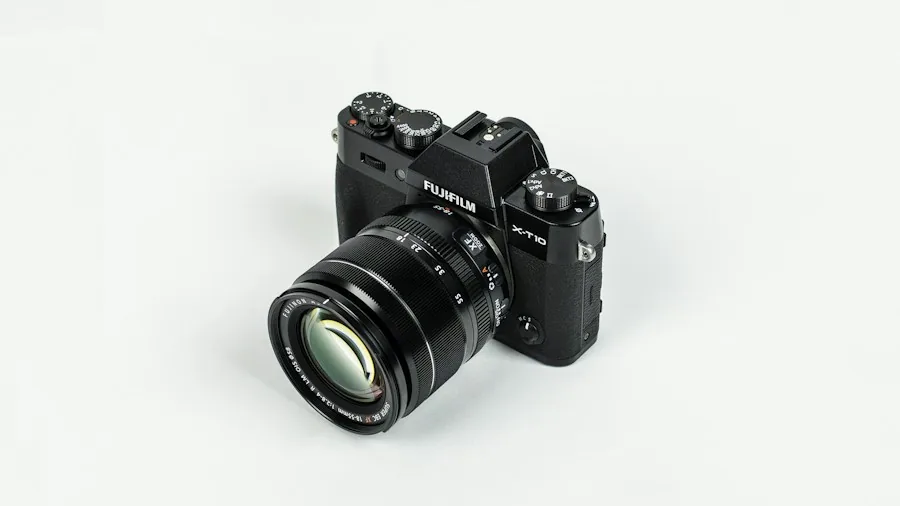
The EOS R8 Mark II brings a 24.2-megapixel full-frame CMOS sensor that carries over the same proven processor found in the original model. What sets this version apart are the additions that photographers actually requested. In-body image stabilization is now included, a feature many users of the first generation found missing. The camera gained a joystick for easier menu navigation and a tilt screen for more flexible composition angles.
Performance specs appeal to both still photographers and videographers. The camera delivers 40 frames per second continuous shooting with Dual Pixel II autofocus, ensuring you won’t miss fast-moving subjects. For video work, it offers uncropped 4K recording at up to 60 frames per second, with the footage oversampled from 6K capture. This means your 4K videos benefit from higher original resolution before downsampling.
Pricing and Value Proposition
At approximately $1,649, the EOS R8 Mark II costs more than its predecessor but remains positioned as an entry-level full-frame option. This price point sits well below professional-grade alternatives like Sony’s A7 V, which retails around $2,898. For shoppers stepping up to full-frame mirrorless photography, this represents a meaningful cost difference while still delivering professional-grade capabilities.
The mirrorless camera market has matured significantly, with options now available across multiple price tiers. The EOS R8 Mark II occupies a sweet spot for enthusiasts and semi-professional photographers who want full-frame quality without flagship pricing.
Competitive Landscape for Buyers

Sony has maintained leadership in full-frame mirrorless sales through consistent performance and a mature ecosystem of lenses and accessories. Canon’s challenge now centers on offering comparable capabilities at a lower entry price while building out its RF lens lineup. The fact that one model secured three spots in a top-10 ranking suggests buyers recognize the value proposition.
When comparing mirrorless cameras under $1000 and stepping up to full-frame options, the gap between entry-level APS-C models and affordable full-frame bodies has narrowed. This EOS R8 Mark II sits at the intersection where full-frame performance becomes genuinely accessible to serious hobbyists and working photographers on moderate budgets.
What This Means for Shoppers
The EOS R8 Mark II’s launch reflects genuine progress in camera technology becoming more affordable and feature-rich. The improvements Canon made, particularly adding stabilization and ergonomic refinements, show the company is competing on substance, not just pricing.
Buyers researching mirrorless camera options for wildlife or sports photography will find the 40fps continuous shooting performance valuable for capturing decisive moments. The autofocus system improvement through Dual Pixel II technology means faster, more reliable subject tracking across different lighting conditions.
For anyone considering their first full-frame mirrorless investment, the emergence of multiple competitive options at different price points means you have genuine choice. Market competition drives innovation, and Canon’s fresh entry demonstrates that manufacturers are listening to what photographers actually need. Whether you prioritize affordability, feature set, or ecosystem maturity, the current lineup offers meaningful alternatives to evaluate based on your specific requirements and shooting style.
About the author
Lawrence covers mirrorless and DSLR cameras for REMOVU, weighing image quality, autofocus, and lens ecosystems. He helps photographers choose a body they can grow with.