Apple iPhone Duo Launch: Why Shoppers Might Choose an iPad Instead
Apple's $1,999 foldable comes with tradeoffs. See why a traditional phone and tablet combo might be smarter for your wallet.
 By Eleanor Garcia
Updated November 23, 2026
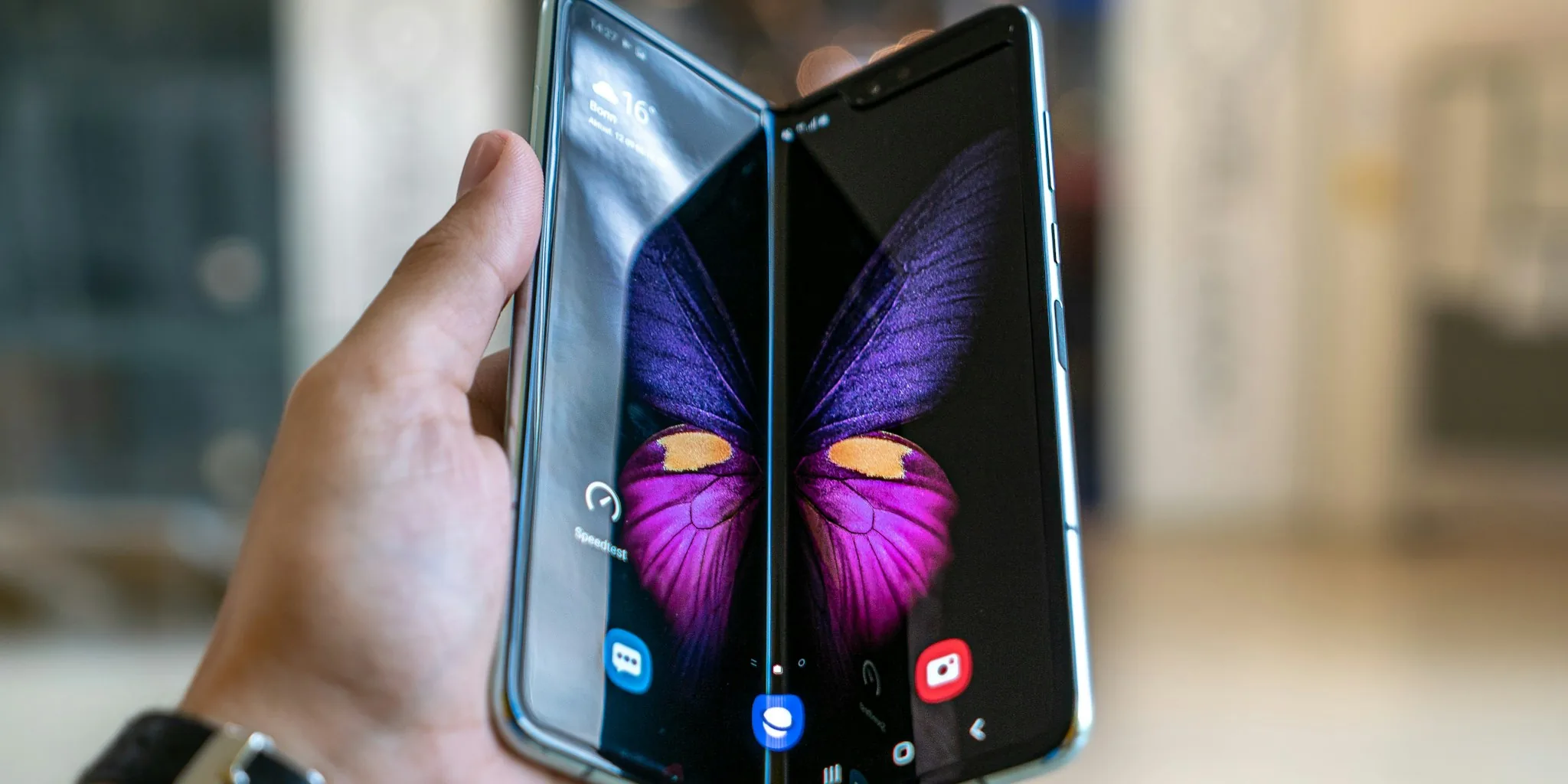
Apple has officially entered the foldable smartphone market with the iPhone Duo, a highly anticipated dual-screen device priced at $1,999. While the announcement generated significant excitement, the new foldable also sparked debate about whether this premium investment truly delivers value compared to alternative approaches. For many shoppers, the answer may surprise them: buying a traditional smartphone and tablet separately could offer better overall value and functionality.
The Price Reality: Phone Plus Tablet Beats Foldable Alone
The iPhone Duo’s $1,999 price tag positions it as an ultra-premium device that many consumers will find difficult to justify. When you do the math on alternatives, the economics shift dramatically. An iPhone 18 Pro paired with an iPad Air costs approximately $50 less than the Duo alone. Choose budget-friendly models, and your savings expand even further. This financial advantage extends beyond the initial purchase: repair costs for iPad models range from $379 to $699, far below the iPhone Duo’s $1,499 out-of-warranty repair price. For shoppers prioritizing affordability without sacrificing capability, the traditional two-device approach wins decisively.
Multitasking and Productivity Features
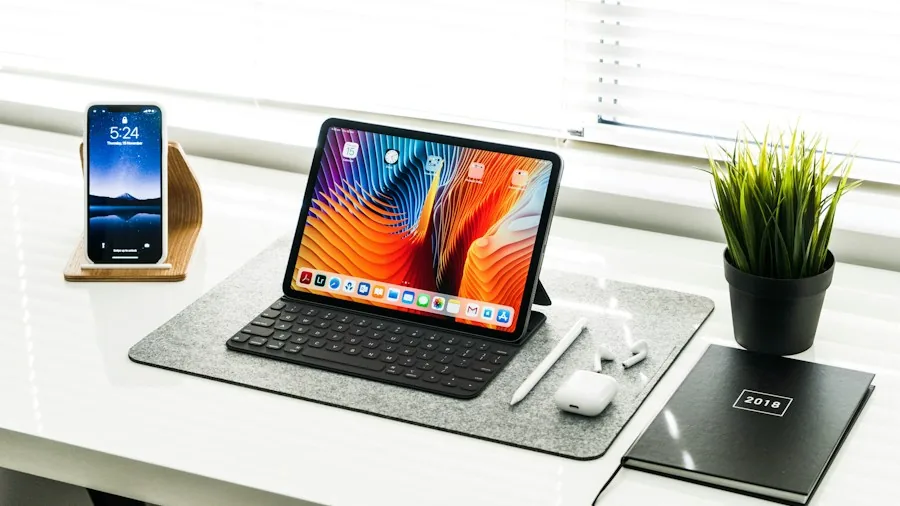
The iPhone Duo’s split-screen functionality offers an upgrade over conventional smartphones, but iPads deliver substantially superior multitasking experiences. The Windowed Apps feature on iPad allows you to open multiple applications simultaneously and resize each one independently, optimizing your workflow precisely. Stage Manager takes this further, enabling you to organize apps into custom groups that you can switch between instantly. These tools transform an iPad into a genuine productivity machine, particularly when paired with compatible accessories. The keyboard experience also differs significantly: while the iPhone Duo supports a USB-C keyboard, iPad users gain access to Apple’s Magic Keyboard, which doubles as a protective case and enables trackpad control rivaling laptop functionality.
Accessory Ecosystem and Creative Tools
The foldable market’s novelty means iPhone Duo accessories remain minimal, primarily limited to basic cases with stands. iPad, by contrast, benefits from over a decade of ecosystem development. Artists and designers find the larger iPad screen substantially more practical for creative work. The Apple Pencil Pro offers pressure-sensitive input, double-tap functionality, and squeeze controls that simply aren’t available on the Duo. The Magic Keyboard transforms iPad into a laptop alternative, making it ideal for remote workers and students. These accessories represent genuine productivity enhancements unavailable to Duo users, making iPad a more versatile long-term investment.
App Optimization Challenges
A critical shortcoming of the iPhone Duo involves app developer support. Most major applications have not been optimized to fully leverage the Duo’s expanded inner display. Google’s productivity suite, including Sheets, Docs, Drive, and Calendar, lacks proper adaptation. Only Gmail delivers a usable experience, and even that falls short of ideal two-column layouts. Popular services like Uber, LinkedIn, DoorDash, and Instacart similarly fail to capitalize on the larger screen space. iPad apps, conversely, have been refined across years to deliver polished experiences across various screen sizes. This maturity gap means iPad users access a substantially more refined software experience immediately.
Display Durability Concerns
The foldable form factor introduces durability compromises that shouldn’t be overlooked. The iPhone Duo’s outer screen meets standard smartphone durability benchmarks, resisting scratches up to Level 7 on the Mohs hardness scale. The inner display, however, struggles significantly, with scratches appearing at Level 2 and above. This means everyday items like keys, dirt particles, and even fingernails pose genuine risks to your display integrity. Regular iPad models maintain durability ratings between Level 6 and 7, meaning they withstand everyday wear substantially better. For users working in variable environments or lacking meticulous device care habits, the iPad’s resilient construction provides meaningful peace of mind.
Camera Capabilities
While the iPhone Duo features a respectable 48-megapixel dual camera system, it doesn’t match flagship iPhone performance. The absence of a dedicated telephoto lens and variable aperture limits photography versatility. The 12-megapixel front camera underperforms compared to the 18-megapixel version in the iPhone 18 Pro. The Duo does enable unique self-portrait possibilities by flipping the device to use the rear camera on the front display, though this represents a workaround rather than a genuine advantage. Shoppers prioritizing photography quality should recognize that upgrading to a current-generation iPhone Pro model delivers superior imaging results.
Screen Size Flexibility
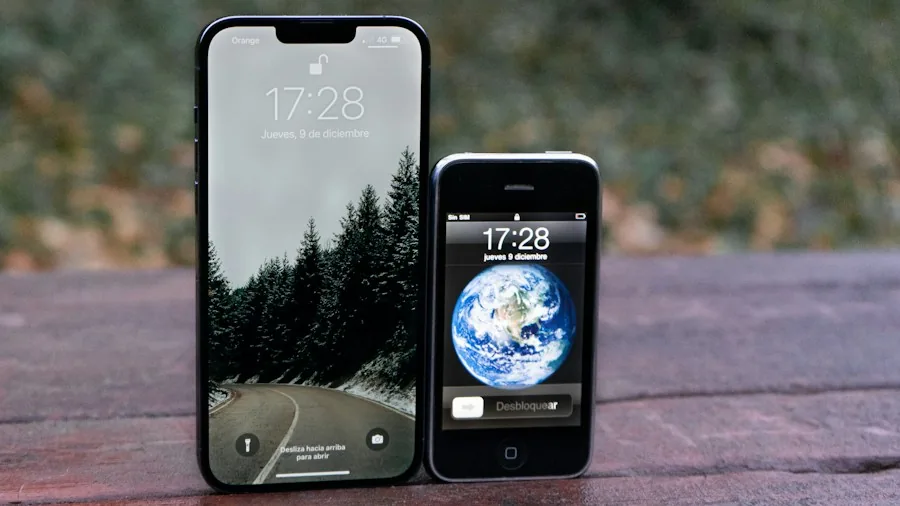
The iPhone Duo’s 7.6-inch unfolded display offers one fixed configuration, potentially underwhelming for different user needs. iPad provides genuine flexibility with the iPad mini at 8.5 inches, standard models at 11 inches, and larger variants reaching 13 inches. This range ensures you can select screen dimensions matching your actual usage patterns, whether you need portability or maximum display real estate.
Integration with Mac Devices
iPad users access Sidecar, a powerful feature that transforms your tablet into a secondary Mac display. This capability extends productivity dramatically, enabling you to mirror displays or extend your workspace across devices. App windows move seamlessly between macOS and iPadOS, creating cohesive workflows impossible on the Duo. While third-party solutions like Duet Display exist for Windows integration, they lack the seamless elegance of Apple’s native implementation.
The iPhone Duo represents Apple’s ambitious foldable vision, yet practical considerations often favor the proven tablet approach. Shoppers evaluating these options should weigh their actual usage patterns against the premium pricing and emerging limitations of this new technology.
About the author
Eleanor covers smartphones for REMOVU, balancing cameras, battery life, and software support against price. She helps readers find the best value as the field shifts with every release.