Developer Disconnects Coway Air Purifier From Cloud for Local Control: What Shoppers Should Know
What happens when manufacturers control your smart device through the cloud, and why some owners are taking back control.
 By Ava Herrera
Updated November 15, 2026
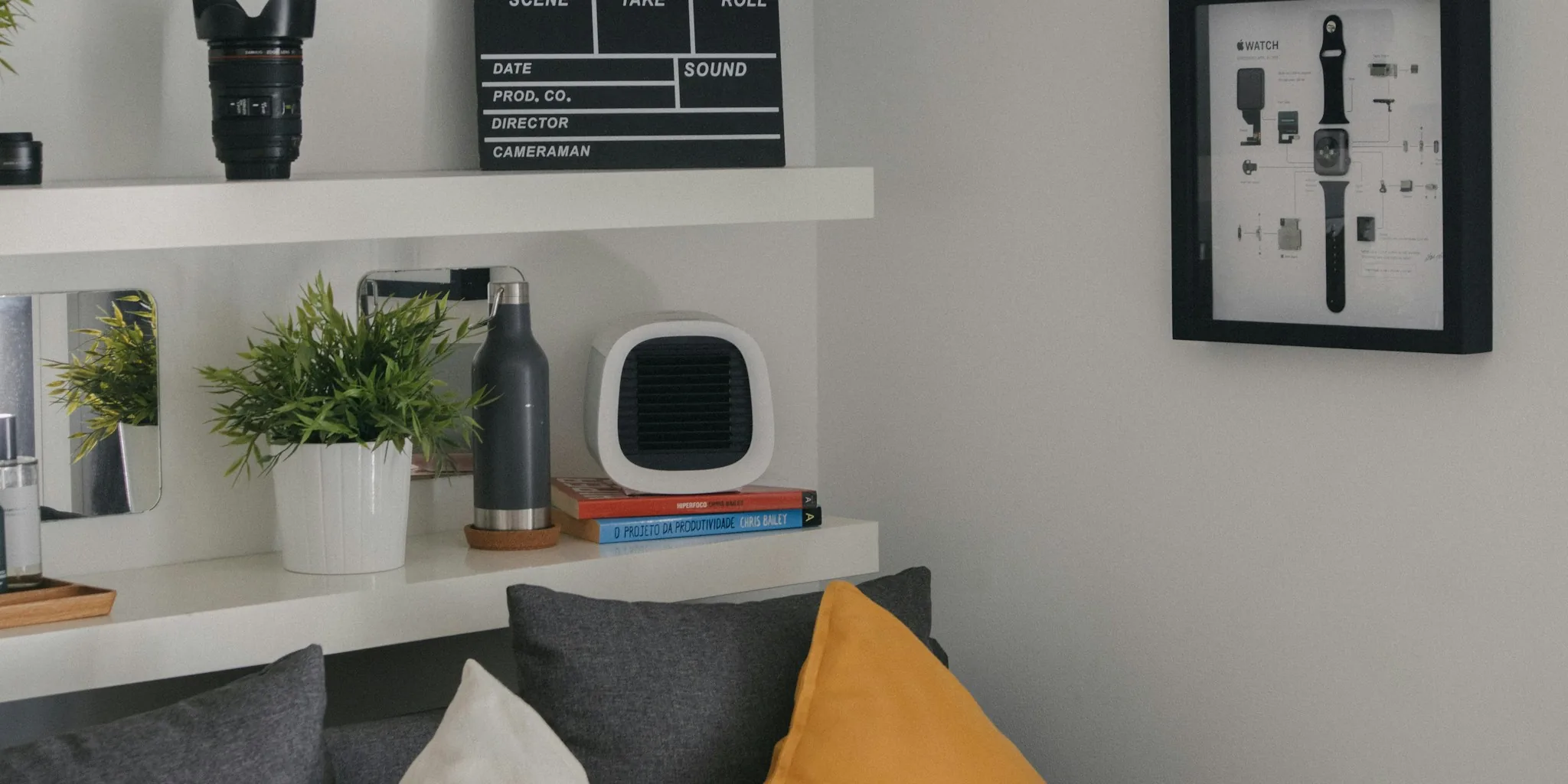
A software developer recently discovered a way to remove a Coway Airmega IconS air purifier from the manufacturer’s cloud system and run it entirely on a local home automation server. This move highlights growing frustrations among consumers who want independence from cloud-dependent smart devices, and it raises important questions about what you should expect from your connected home devices.
Why One Buyer Took Control Into His Own Hands
The developer, Scott J. Goldman, started with a simple goal: he wanted his Coway air purifier to work reliably with his home automation setup so he could control it through his smart home ecosystem. The problem was that the Airmega IconS relied on Coway’s cloud service for any remote functionality, and that connection proved unreliable. The community-built integration that connected the device to his home automation platform broke multiple times per year, sometimes disconnecting for weeks at a time.
Goldman’s account was even banned from the manufacturer’s service after running an outdated version of the integration, leaving him without remote control for an extended period. Like many consumers with connected devices, he discovered that relying on a manufacturer’s cloud means accepting their server outages, policy changes, and the risk that support could disappear entirely. When Coway rebranded its cloud service and changed the underlying infrastructure, it broke the integration he depended on.
The Technical Discovery That Changed Everything

The solution came from exploiting a significant security vulnerability in how the device handles its digital certificates during setup. The air purifier downloads a trusted certificate over plain, unencrypted HTTP rather than the more secure HTTPS protocol. This oversight allowed Goldman to intercept and replace that certificate with his own, redirecting all the device’s communication to his local home automation server instead of Coway’s cloud.
The device communicates with the cloud using MQTT, a lightweight messaging standard common in smart home systems. By setting up his own local MQTT broker on his home automation server, Goldman essentially created a stand-in for Coway’s infrastructure. The purifier now sends all its commands to his equipment on his home network rather than to the manufacturer’s distant servers.
Interestingly, Goldman noted that major AI assistants with stronger safety guidelines refused to help him set up the technical infrastructure, citing cybersecurity concerns. Others were more accommodating and even helped reconstruct the device’s Bluetooth protocol using Android debug logs, a process that would have taken many hours if done manually.
What This Means for Air Purifier Shoppers
This development underscores a critical truth about modern connected devices: you are fundamentally dependent on the manufacturer’s willingness and ability to maintain cloud services. Coway’s range of air purifiers, from budget compact models to premium options, exemplifies this trend toward cloud-dependent smart features. While convenience is appealing, the reality includes risks like service outages, account bans, app redesigns that break third-party integrations, and the possibility that companies could eventually charge subscription fees for basic functionality or discontinue support entirely.
Goldman’s project demonstrates that some consumers are willing to invest significant time and technical expertise to regain control. His solution required knowledge of networking, certificate handling, protocol reconstruction, and home automation platforms. Most household buyers will never pursue such complex workarounds. However, the existence of such workarounds raises important questions about what consumers should demand from manufacturers.
Reliability and Long-Term Ownership

Before purchasing a connected air purifier, shoppers should consider how heavily it depends on cloud services for core functionality. Smart home devices increasingly rely on remote servers for features you might expect to work locally, which means you should research whether a device can operate if the cloud service becomes unavailable.
Some relevant questions to ask: Can the device run without internet for basic operation? Does the manufacturer have a history of maintaining cloud services for older products? Are there community-built alternatives if official support disappears? The Coway situation is not unique, many smart appliances face similar reliability issues when they depend entirely on manufacturer infrastructure.
The Broader Implications
This incident also highlights security vulnerabilities that extend beyond convenience. Downloading security certificates over unencrypted connections is a fundamental mistake that leaves devices vulnerable to attacks where someone could intercept and modify the certificate, potentially gaining control of the device or collecting data from it.
Consumers purchasing connected air purifiers should look for manufacturers that prioritize local functionality and transparent security practices. While not every buyer needs or wants to run their own server, the existence of options for local control serves as an indicator of a company’s commitment to customer independence and data security.
The reality is that smart home integration remains fragmented, with different manufacturers using incompatible systems. Until industry standards improve, situations like this will continue to emerge. Shoppers considering a connected air purifier should weigh the convenience of smart home control against the risks of permanent cloud dependence, and they should choose brands that have demonstrated reliability over time.
About the author
Ava is REMOVU's laptop writer, balancing speed, battery life, and build quality against price across the whole range. She helps readers find the sweet spot as each new chip shifts what a dollar buys.