Apple Silicon Now Runs on PC Through New Translation Layer What Shoppers Need to Know
A fresh translation layer makes it possible to install Apple Silicon macOS on standard x86-64 computers.
 By Kylie Fields
Updated November 13, 2026
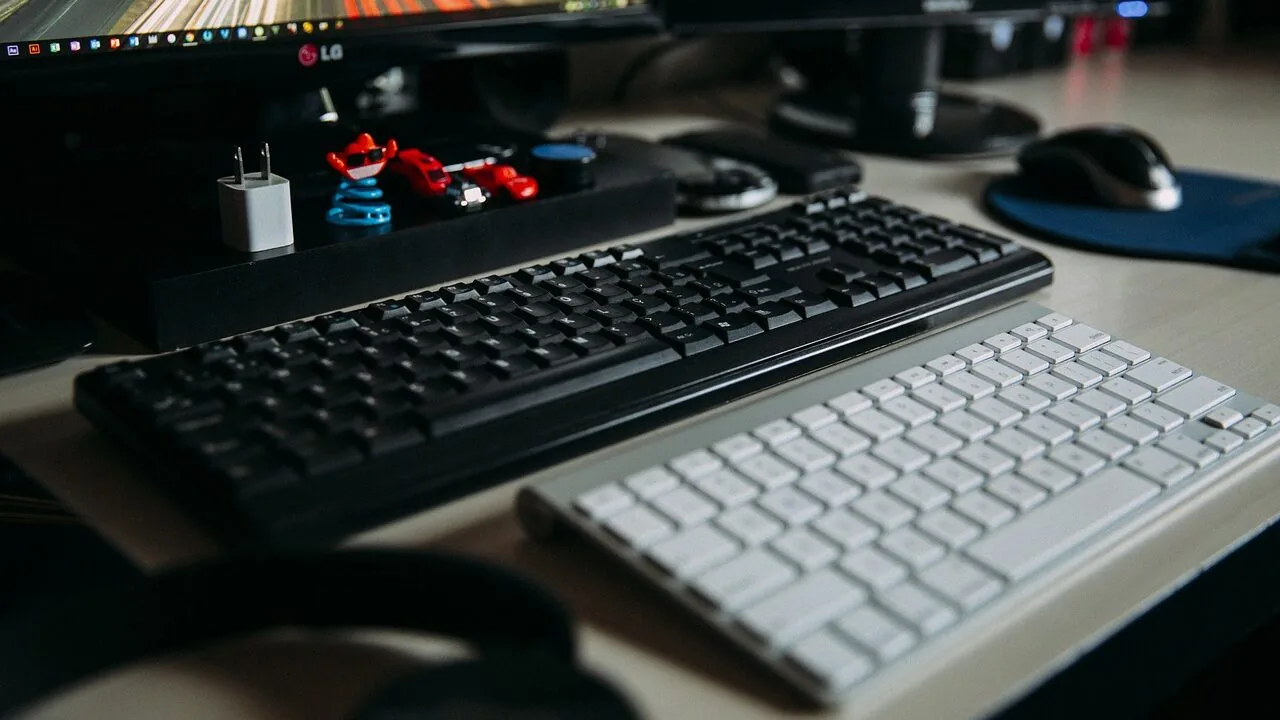
Apple Silicon dominated conversations in tech circles when the company introduced its proprietary Arm-based chips in 2020. These processors delivered impressive performance-per-watt efficiency, making them ideal for laptops and compact desktops. As Apple continued to refine its chip designs, the company phased out Intel processors entirely from its Mac lineup. For many consumers, this shift locked macOS into an exclusive ecosystem tied to Apple’s premium hardware prices.
A recent development is changing that calculus. Stela, a new Linux-based translation layer created by developer Tyler Smith, now makes it possible to run Apple Silicon-compatible macOS on standard x86-64 PCs. This revival of the Hackintosh community opens up possibilities that seemed closed just months ago.
How the Translation Layer Works
Stela functions as a UEFI application that sits between your PC’s hardware and macOS. When you boot your computer with Stela, the system presents itself to macOS as a virtual M2 Mac Mini. The software then translates Arm architecture instructions into x86-64 commands your PC understands in real time. This translation happens through a combination of ahead-of-time and just-in-time compilation for the CPU, while Apple’s Metal graphics calls get converted to Mesa’s NIR instructions. The unmodified macOS image goes through the same restoration process you would use on actual Apple hardware.
Hardware Requirements and Current Limitations
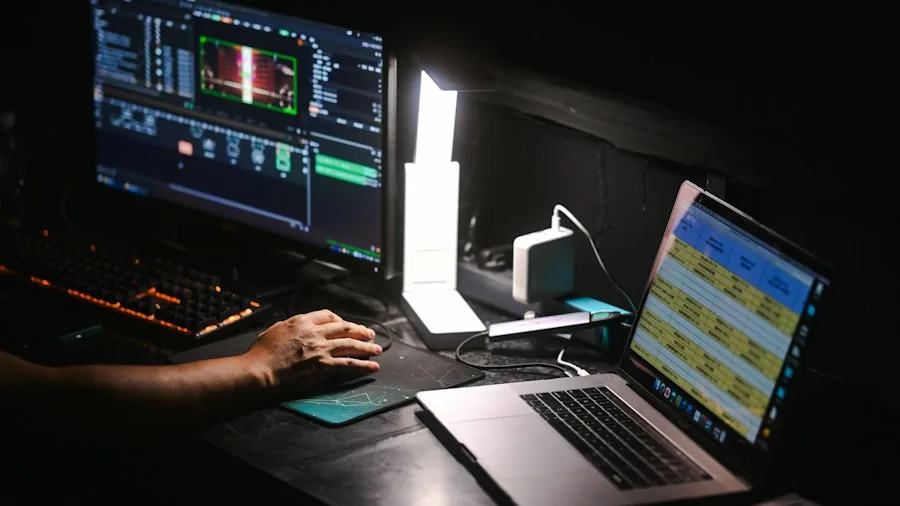
The barrier to entry remains remarkably low from a hardware perspective. You need an x86-64-v2 compatible processor, which covers Intel Core chips from 2008 onward and AMD FX processors from 2011 and newer. The system can leverage AVX2 and AVX-512 instruction sets if your processor supports them. You’ll also need 8 GB of RAM, UEFI firmware support, a GPT partition scheme, and an Nvidia graphics card from the 16xx series through the current 5000 series. A USB stick serves as your boot device, and you’ll need your own copy of macOS.
The current version carries significant caveats. Stela is acknowledged by its creator as slow and unstable in its early form. Wi-Fi connectivity isn’t yet supported, and Bluetooth remains limited. However, processor compatibility expands continually, and the developer has committed to eventually supporting all hardware that the Linux kernel recognizes. Ethernet connectivity works across Intel, Realtek, Broadcom, Aquantia, Atheros controllers, plus USB Ethernet adapters.
What This Means for PC Users
For shoppers considering their operating system options, Stela presents an intriguing alternative pathway. You could theoretically build or repurpose existing hardware to run macOS without purchasing Apple’s computers, which carry substantial price premiums compared to equivalent Windows machines. The software remains in early development, so stability and performance will improve as the project matures.
The practical challenges shouldn’t be understated. Much of macOS contains code that only exists during runtime, like JavaScript JIT compilation in web browsers, which means pre-translation of the entire OS remains impractical. Additionally, macOS includes cryptographic protections that verify the operating system’s authenticity before execution, which could present obstacles to modified or translated versions.
For developers and tech enthusiasts, this capability opens creative possibilities. Those interested in exploring macOS software development or simply preferring the operating system’s interface and features now have a potential hardware route that doesn’t require investing in expensive Apple machines. However, consumers seeking a mainstream, fully supported computing experience should continue evaluating official Mac hardware and its accessory ecosystem as their primary options.
The Broader Landscape
This development reflects a fascinating cycle in computing history. Apple’s vertical integration through custom Silicon initially seemed to lock users into the company’s ecosystem permanently. Yet the ingenuity of the developer community continues to find creative workarounds. The Stela project demonstrates that determined engineers can architect translation layers sophisticated enough to bridge architectural divides.
Consumer interest in Stela has already surged, with users sharing experiences and requesting hardware support additions. The Discord community associated with the project has grown substantially as people experiment with running macOS on their existing PC hardware.
For average shoppers, the key takeaway is clear: if you’re drawn to macOS as an operating system but hesitated due to Apple’s hardware costs, developments in translation technology may eventually provide alternatives. Currently, these alternatives remain experimental and best suited for technically-minded users. As the technology matures and stabilizes, mainstream consumers could eventually benefit from expanded access to macOS. For now, patience and monitoring the project’s progress represents the wisest approach for those curious about where this innovation leads.
About the author
Kylie covers processors for REMOVU, balancing core count, clock speed, and platform cost against what readers actually run. She helps builders pick a CPU that fits their workload and budget.