Smartwatch Now Has Meta Muse AI What Buyers Should Know
Meta brings its Muse AI assistant to Apple Watch and Wear OS devices, changing how consumers use smartwatches.
 By Kristen Jennings
Updated November 10, 2026
Smartwatch AI Just Got a Major Upgrade
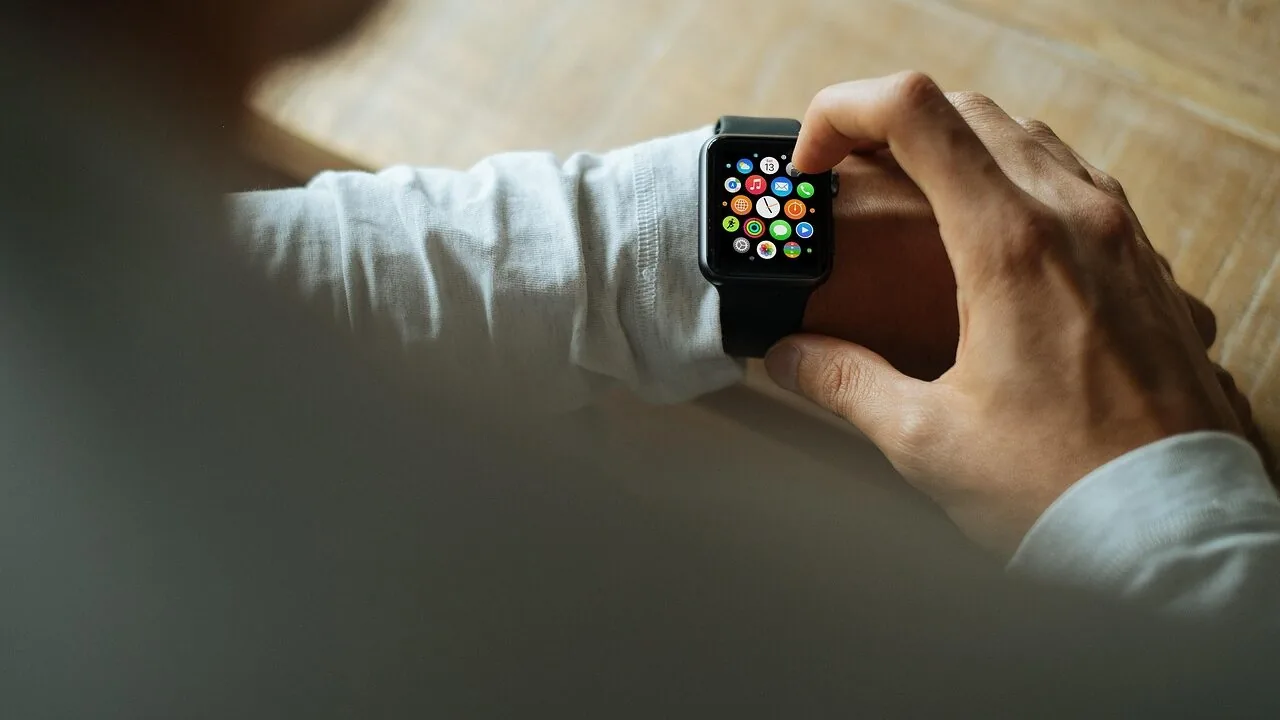
Meta has quietly launched one of the year’s most significant smartwatch features: access to its Muse AI assistant directly from your wrist. If you own an Apple Watch or any Wear OS device and already use Meta Muse on your phone, you can now interact with this agentic AI tool without reaching for your phone. This development marks a turning point in how consumers will experience artificial intelligence on wearable devices.
What This Means for Your Daily Routine
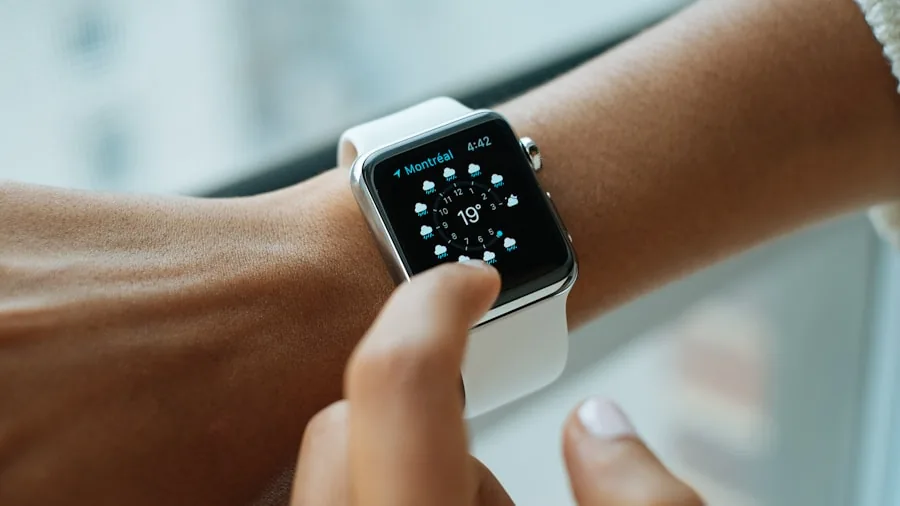
The rollout makes interacting with Muse seamless across your devices. On compatible smartwatches, Muse appears as a customizable clock face featuring Jolly, the assistant’s mascot. Once you tap into the app, you can communicate via voice conversation, text message, or voice recording directly from your wrist. The assistant then displays responses in a chat-like interface, allowing you to assign tasks, receive updates on completed projects, or have casual conversations as you would with a friend through messaging.
For Apple Watch users, you’ll need watchOS 9 or later to access the feature. Wear OS compatibility requirements are less clearly defined by Meta, so Android smartwatch owners should verify their device’s specifications before expecting full functionality. The companion app works independently of other smartwatch functions, meaning you can check on Muse without disrupting your health tracking, notifications, or other wearable features.
Why This Matters for the Smartwatch Market
Agentic AI tools remain relatively uncommon on smartwatches, making this launch particularly noteworthy. Most smartwatch users have grown accustomed to basic voice assistants and fitness tracking, but Muse represents a more sophisticated, conversational level of artificial intelligence that can actually plan and execute actions on your behalf. This capability transforms your smartwatch from a passive information display into an active digital assistant.
Meta’s move also reflects a broader industry trend. At Meta Connect in September, CEO Mark Zuckerberg unveiled plans for the Muse Charm, a dedicated device designed exclusively for accessing Muse. This pocket-sized gadget will offer a Tamagotchi-like experience without access to other software. The Charm is expected to launch before year-end, giving consumers a choice: integrate Muse into their existing smartwatch ecosystem or adopt a standalone device.
How Muse Compares to Other Options
The launch arrives at a critical moment for AI assistants on wearables. OpenAI’s ChatGPT offers a competing agent called Dots, but with a significant catch: users pay a minimum of $100 per month for access. By contrast, Meta’s Muse has achieved over 10 million downloads in its first 40 days, demonstrating substantial consumer interest and suggesting Meta is positioning itself as the more accessible option.
Side-by-side comparisons reveal that ChatGPT’s Dots agent may outperform Muse for routine daily tasks, according to published evaluations. However, the cost difference represents a fundamental shift in strategy: Meta is prioritizing adoption and market share through free access, while OpenAI is targeting users willing to pay for premium capabilities.
What You Need to Get Started
Accessing Muse on your smartwatch requires three prerequisites. First, you must already have Muse set up on your smartphone. Second, your smartwatch must be compatible: Apple Watch with watchOS 9 or later, or a Wear OS device that meets Meta’s technical requirements. Third, the Muse smartwatch app must be downloaded to your device.
Once installed, the experience is remarkably straightforward. The default interface shows Jolly integrated into your watch face, making it impossible to forget you have access to this capability. You control how much you use it, whether that means quick voice queries while cooking or longer conversations during your commute.
The Bigger Picture for Smartwatch Buyers
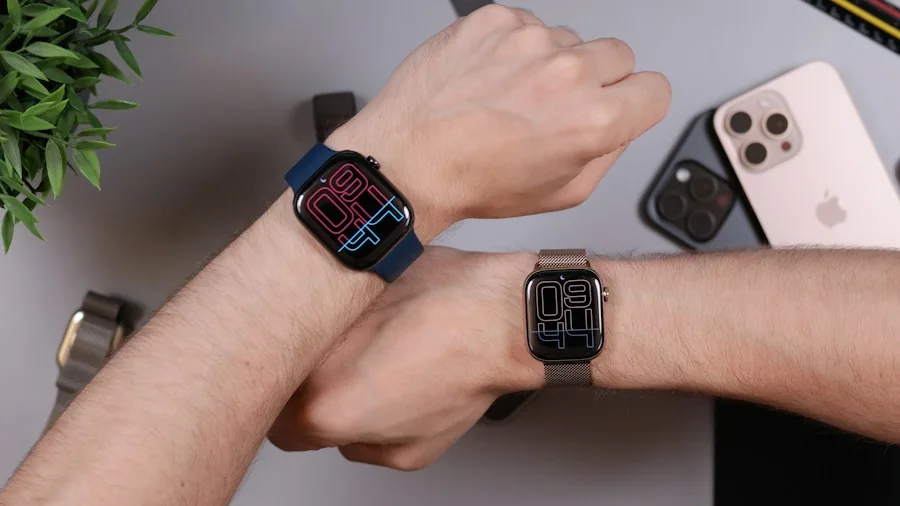
If you’re considering purchasing a new smartwatch or evaluating whether to upgrade your current device, this development adds another dimension to your decision. Smartwatches are increasingly becoming platforms for advanced features beyond fitness tracking and notifications. Muse represents the first major mainstream consumer deployment of agentic AI on a wearable device, suggesting that future smartwatch purchases should factor in compatibility with AI tools.
The distinction between smartwatch AI and standalone devices like the Muse Charm also matters. If you value the versatility of a full-featured smartwatch, the integrated Muse option offers convenience. If you prefer a specialized device focused solely on AI interaction, the upcoming Charm provides that alternative.
Looking Ahead
Meta’s smartwatch rollout signals that AI assistants will become standard features on wearables within the next two years. Other manufacturers will likely follow suit, creating a competitive landscape where AI capability becomes a primary differentiator. For consumers, this means better value, more choice, and the need to understand these features when making purchasing decisions.
The timing of this launch, combined with the Muse Charm announcement, suggests Meta is committed to establishing itself as the leader in wearable AI. Whether through your existing smartwatch or a new specialized device, consumers now have legitimate reasons to consider artificial intelligence as a core feature rather than a novelty.
About the author
Kristen writes about smartwatches for REMOVU, comparing features, battery life, and ecosystem fit. She helps readers tie together health tracking, notifications, and apps on the right watch.