Video Doorbell Security Showdown: What Shoppers Need to Know About Encryption and Features
Discover the key encryption differences between Ring and Google Nest video doorbells and which offers better privacy protection for shoppers.
 By Hannah Mitchell
Updated November 7, 2026

As homeowners increasingly turn to video doorbells to monitor their front entrances remotely, the choice between major brands has become more important than ever. Two names dominate the market: Google Nest and Amazon Ring. Both companies have invested heavily in security technology, but new details about how they protect your footage reveal significant differences that could influence your buying decision.
Encryption Standards: The Critical Difference
The most important distinction between these platforms lies in how they encrypt and handle your video data. Google Nest uses 128-bit AES encryption combined with TLS/SSL protocols. Ring, meanwhile, employs end-to-end encryption, or E2EE, as its primary protection method. Understanding this difference is key to evaluating which option better suits your privacy needs.
With E2EE technology, your video data is encrypted on the device itself before being transmitted anywhere. This means only you, and anyone you explicitly authorize, can ever view your footage. Ring doesn’t retain access to your encrypted files, not even for company support purposes. Ring has also introduced TAKE technology, which uses rotating encryption keys to add another layer of protection. When Ring uses these keys for processing and support features, the company deletes them afterward, ensuring long-term data remains inaccessible to everyone except you and trusted users.
Google’s approach differs fundamentally. When you use Google Nest, the company retains access to your video data during transmission and storage. Google states it uses this access to improve its services. For many consumers, this means Google can view and analyze your footage, even if external hackers cannot breach it. The distinction matters: your data is protected from outside threats, but not from the company itself.
It’s worth noting that E2EE on Ring devices is optional and requires you to enable it within the Ring app. However, most users benefit from activating this feature since it costs nothing and provides superior privacy protection.
Hardware and Video Resolution
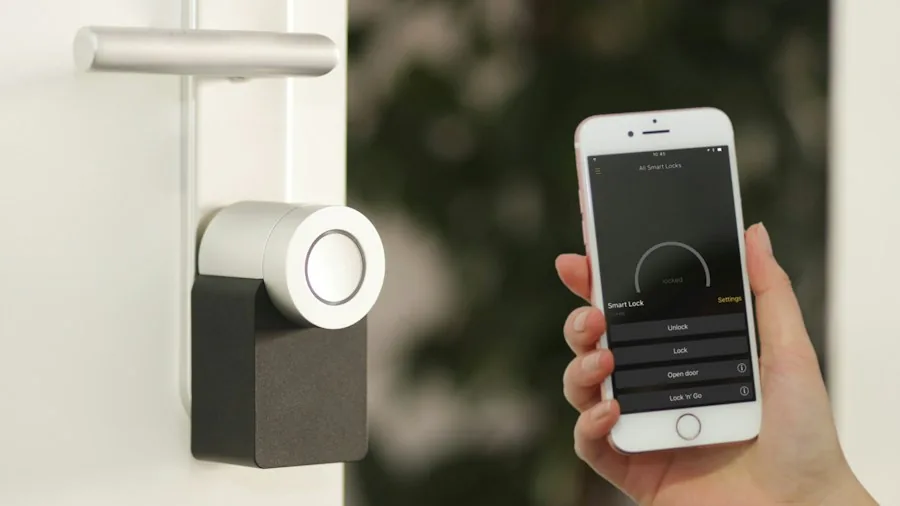
Beyond encryption, the two brands differ in their product lineups and capabilities. Video doorbells from Ring come in eight different models, covering various price points and preferences. Ring offers 4K resolution options for those who want maximum clarity, with models starting around $100 and reaching $500 for premium versions. Google, by contrast, offers only two options: a wired model recording in 2K resolution and a battery-powered unit limited to HD quality. Both Google models cost approximately $200 each.
Ring’s wired doorbells cannot store footage locally, but Google Nest provides up to an hour of on-device backup storage. This means if your internet connection fails, your Nest doorbell continues recording. Ring users seeking offline backup must purchase additional components, including a compatible subscription and the Ring Alarm Pro Base Station.
Smart Home Integration and Professional Monitoring

Both companies offer professional monitoring services, though their value propositions differ. Ring’s Pro Plan costs $20 monthly and covers unlimited devices at your home, includes 180 days of video history, and supports advanced Alexa features like custom greetings and descriptions. Google Home Premium also costs $20 monthly but provides only 60 days of history and daily summaries. If you want professional monitoring on Google Nest, ADT handles it separately for $70 per month.
For smart home ecosystem compatibility, Ring integrates seamlessly with Amazon Alexa and Echo devices. Google Nest works naturally with the entire Google Home lineup. If you’ve already invested in one ecosystem, that manufacturer’s doorbell will feel more integrated and convenient. However, the specific encryption and monitoring capabilities remain the deciding factors for privacy-conscious shoppers.
What This Means for Your Purchase
Video doorbells worth buying depend on your priorities. If privacy and data ownership are paramount, Ring’s end-to-end encryption gives you a meaningful advantage. You control your footage completely, and Ring cannot access it. If you prefer simplicity and already use Google services, Nest offers solid performance and integrates well with your existing devices. The best video doorbells for apartments include both battery-powered options, which neither require professional installation nor commitment to long-term wiring changes.
The encryption difference matters most in today’s privacy-conscious environment. While both systems protect your footage from external attackers, Ring’s architecture ensures the company itself cannot view your videos. For many homeowners, that peace of mind justifies choosing Ring, even if Google Nest offers certain convenience features. Ultimately, evaluate your own priorities regarding privacy, budget, video resolution needs, and existing smart home investments before making your final decision.
About the author
Hannah writes about video doorbells for REMOVU, comparing video quality, smart alerts, and subscription value. She helps readers keep an eye on the porch without overpaying for storage.