GPU Prices Surge Amid AI Boom: What Buyers Should Know About the Extended Shortage
AI data centers are consuming memory faster than factories can make it, driving component prices sharply higher through 2028 and beyond.
 By Katrina Dean
Updated November 7, 2026
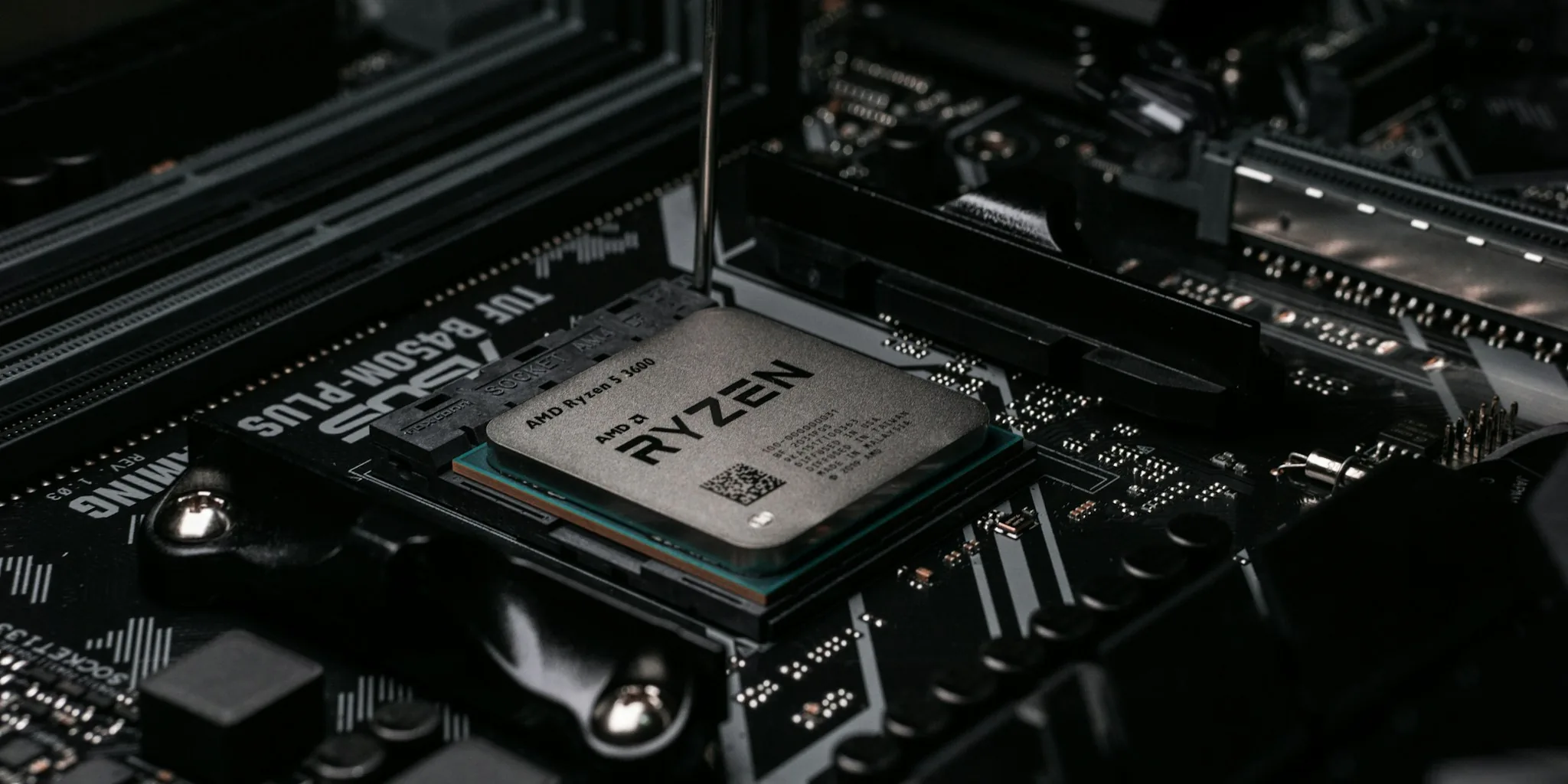
Graphics processing units have become one of the most expensive components in the consumer tech market, and the situation shows no signs of improvement anytime soon. The culprit behind this ongoing crisis is an aggressive pivot by manufacturers toward artificial intelligence data centers, which are consuming memory chips faster than factories can produce them. For everyday shoppers looking to upgrade their gaming rigs, work machines, or creative workstations, understanding what is happening in the memory market is essential to making informed purchasing decisions.
The AI Demand Driving Up GPU Prices
The core issue stems from what industry observers call chipflation: a dramatic acceleration in component costs that far outpaces regular inflation. According to major financial analysis, dynamic random access memory, or DRAM, prices are projected to rise by 400 percent between 2024 and the end of 2026. In real terms, this means that high-end graphics cards like Nvidia’s GeForce RTX 5090 are selling for nearly $4,920, far above the original $1,999 launch price announced in January 2025.
The price inflation is not limited to the United States. Consumers in Japan, for example, are paying roughly 41 percent more for gaming GPUs compared to American shoppers. This global surge reflects a fundamental supply problem: artificial intelligence companies and data center operators have redirected the overwhelming majority of available memory production toward their own needs. AI model training and deployment require specialized high-bandwidth memory, or HBM, which is a faster and more capable form of DRAM than what typical consumer devices use.
How Data Center Demand Reshapes Manufacturing
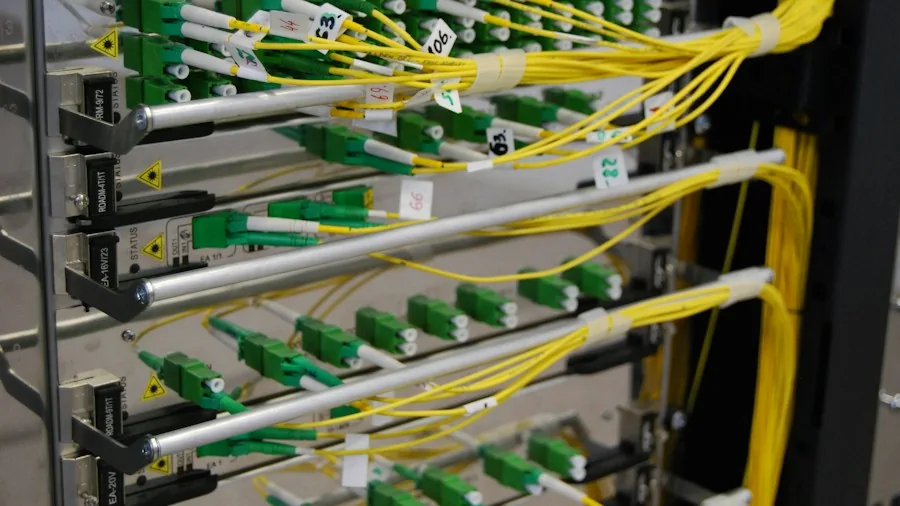
The problem is compounded by the fact that HBM production uses the same manufacturing capacity as conventional DRAM and other memory products. With a limited number of wafer fabrication facilities worldwide, suppliers have systematically shifted their output toward artificial intelligence applications, where profit margins are higher. High-bandwidth memory sells for approximately 30 percent more than traditional DRAM, making it an attractive business priority for manufacturers.
Adding to the squeeze, the industry is transitioning to newer HBM4 and HBM4E standards, which further strains production capacity during the changeover period. Three companies control roughly 90 percent of global DRAM manufacturing: Micron Technologies, Samsung Electronics, and SK Hynix. All three have announced plans to expand production, yet all three simultaneously predict that shortages will persist and potentially worsen through 2028 and beyond.
Micron stopped selling directly to consumers last year to focus resources on data center contracts. Samsung has already committed roughly 80 percent of its 2027 memory output through long-term agreements, with approximately 70 percent locked into five-year deals. These forward sales are occurring at prices significantly higher than current retail levels, meaning consumers should prepare for continued price increases in the months ahead.
The Ripple Effect Across Consumer Tech
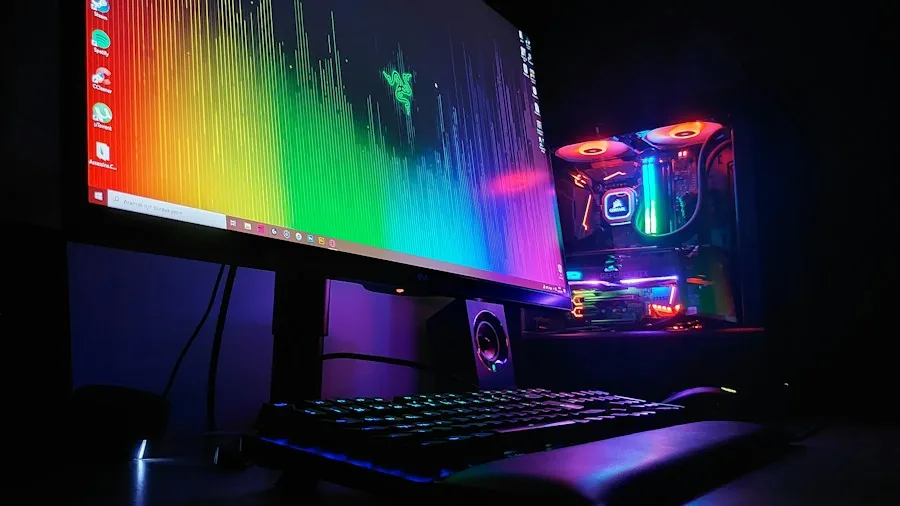
The memory shortage has created shockwaves throughout the consumer electronics industry. Prices for software, accessories, video game consoles, and laptops have all climbed sharply over the past two years, with some categories rising by nearly 25 percent. Computer shipments have fallen noticeably as customers delay purchases in response to higher costs. Even the resale market has become a source of frustration, with third-party sellers marking up items like gaming consoles well above the manufacturer’s suggested retail price.
For anyone considering purchases of gaming peripherals or computer upgrades, the timing feels increasingly unfavorable. Yet waiting may not be the answer either, as industry executives openly state they expect conditions to tighten further in 2027 and 2028. Some analysts predict the crisis could extend into the 2030s, though there is disagreement about the timeline and severity.
When Will Relief Come
A few optimists suggest that prices could stabilize by next year if cheaper alternatives from Chinese manufacturers enter the market in volume. Others argue that the artificial intelligence industry will not generate sufficient demand to justify the massive manufacturing buildouts now underway, potentially creating a supply glut by 2029. However, major chip companies remain confident in long-term demand growth.
What is certain is that multiple executives from leading memory suppliers have publicly stated 2027 and 2028 will be the most constrained years the industry has experienced. Building adequate manufacturing capacity to meet demand will require four to five years, according to industry leaders, meaning production will remain at least 20 percent below what the market needs through 2030. For shoppers, this translates into sustained pricing pressure and limited availability, particularly for premium components that rely on the latest memory technology.
About the author
Katrina covers graphics cards for REMOVU, tracking gaming performance, features, and value as prices shift with every launch. She helps builders find the right GPU for their resolution and budget.