iPhone Keyboard Has Secret Word Filters: What Shoppers Should Know
Apple silently blocks thousands of words from keyboard suggestions, including political phrases and regional independence terms.
 By Josephine Mason
Updated November 6, 2026

Apple maintains a substantial hidden list of words and phrases that its iPhone keyboard deliberately avoids suggesting, a discovery that raises questions about privacy, censorship, and how autocomplete systems shape what you can easily type. Security researcher Derik Kauffman uncovered tens of thousands of filtered entries baked into the iOS keyboard at the system level, revealing that smartphones may be controlling your typing more than you realize.
How the Hidden Filter Actually Works
When you type on an iPhone, the predictive system doesn’t outright block certain words. Instead, it silently refuses to suggest them in autocomplete or during swipe-typing. The words still appear if you type them manually, but the keyboard’s intelligence skips recommending them as you compose messages, search queries, or social media posts. This means thousands of terms exist in a digital gray zone: technically available, but strategically hidden from easy access.
Kauffman discovered the filter by attempting to swipe-type common phrases and noticing unusual behavior. He then used artificial intelligence tools to systematically examine iOS code and identify the complete list. When he tried phrases like “Tibetan independence” and “United Ireland,” the keyboard would auto-correct them to “Tibetan independences” and “United Iceland.” Similar manipulation occurs with phrases like “dictator Trump” and “sleepy Joe,” both of which appear regularly in mainstream political conversation.
What’s on the List, and Why That Matters
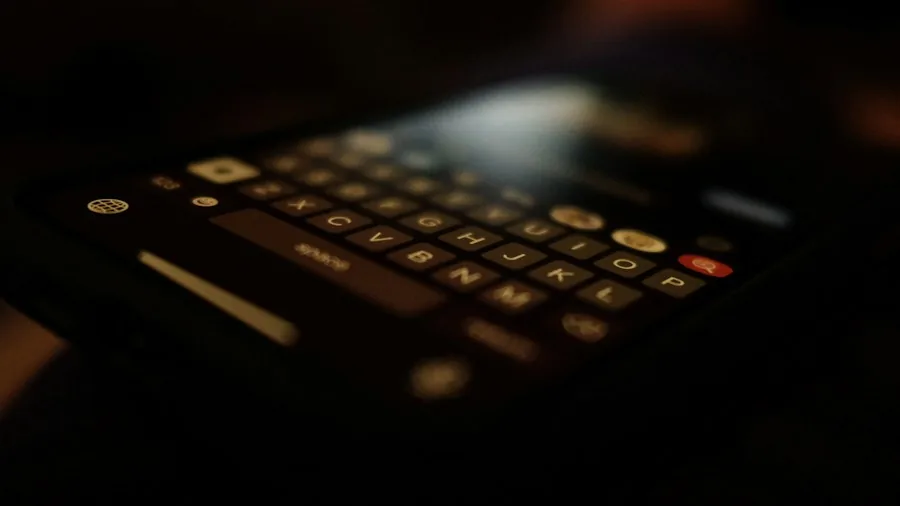
The majority of filtered words fit expected categories: explicit sexual content, graphic violence, and drug-related terminology. However, the list extends far beyond offensive language. Political phrases, geopolitical references, and criticism of specific leaders in multiple countries appear on the hidden register. Terms mocking Indian Prime Minister Narendra Modi and Leader of the Opposition Rahul Gandhi are filtered, as are phrases suggesting independence movements in contested regions.
Reuters independently verified the behavior and found that swipe-typing “white man” produces “white mean,” while “red man” and “blue man” go through without issue, suggesting the filtering targets specific combinations rather than individual words. Every major language supported by iOS contains its own version of this invisible gray list, according to Kauffman, yet Apple has never publicly disclosed the list’s existence or contents.
Apple’s Explanation Falls Short
In a brief statement to Reuters, Apple said the iPhone keyboard is designed to avoid suggesting words that could be offensive or inappropriate. The company provided no detailed explanation, no transparency about which words are filtered, and no clarity about the criteria used to determine what belongs on the list. For consumers accustomed to companies publishing community standards and moderation policies, this silence is notable.
Digital rights advocates have raised concerns about the approach. David Greene, an attorney at the Electronic Frontier Foundation, told Reuters that while he understood the case for limiting inflammatory suggestions, he found the undisclosed filtering “creepy.” The lack of transparency prevents users from understanding how their typing is being subtly influenced or appealing decisions they disagree with.
The Broader Implications for iPhone Users
This discovery connects to larger conversations about how technology companies shape user behavior without explicit consent. When you pick up an iPhone to compose a message, you assume the keyboard is a neutral tool for converting your thoughts into text. Learning that thousands of terms are silently deprioritized challenges that assumption. Over the years, users have reported scattered instances where predictive systems seemed to refuse certain words, but the scale and scope of Apple’s filter were previously unknown.
The filtering raises questions about consistency across Apple devices and whether similar systems exist in other company products. It also highlights how artificial intelligence and automated suggestion systems can embed values or restrictions that weren’t chosen by individual users. iPhone users who care about digital freedom may want to consider disabling autocomplete entirely or using third-party keyboard applications, though that sacrifices convenience.
What This Means When You Buy an iPhone
For consumers evaluating iPhone purchases, this revelation adds a consideration to your decision-making process. If you rely heavily on predictive text and swipe-typing for efficiency, understanding that Apple’s system silently filters thousands of terms could matter. You’re not prevented from typing anything, but your ease of access is engineered in ways you cannot fully control or customize through settings.
The discovery also underscores the importance of reading privacy policies and understanding how device manufacturers shape your experience. iPhone accessories and ecosystem products may interact with these filtered systems, making awareness even more relevant as your digital life expands.
Apple’s approach reflects a philosophy of curating the experience by default, but the lack of disclosure prevents informed choice. As consumers become more conscious of how algorithms and filters influence their digital lives, transparency from manufacturers becomes increasingly important. Whether you find this filtering reasonable or problematic likely depends on your views about corporate control, free expression, and how much influence a device manufacturer should have over your communication.
About the author
Josephine covers mechanical keyboards for REMOVU, comparing switch feel, layout, and build quality for typing and gaming. She helps readers navigate a deeply personal choice with clear, practical advice.