iPhone Duo Launch: What Buyers Should Expect About App Compatibility
Early iPhone Duo owners face app display issues, but history shows fixes arrive quickly.
 By Eleanor Garcia
Updated October 25, 2026
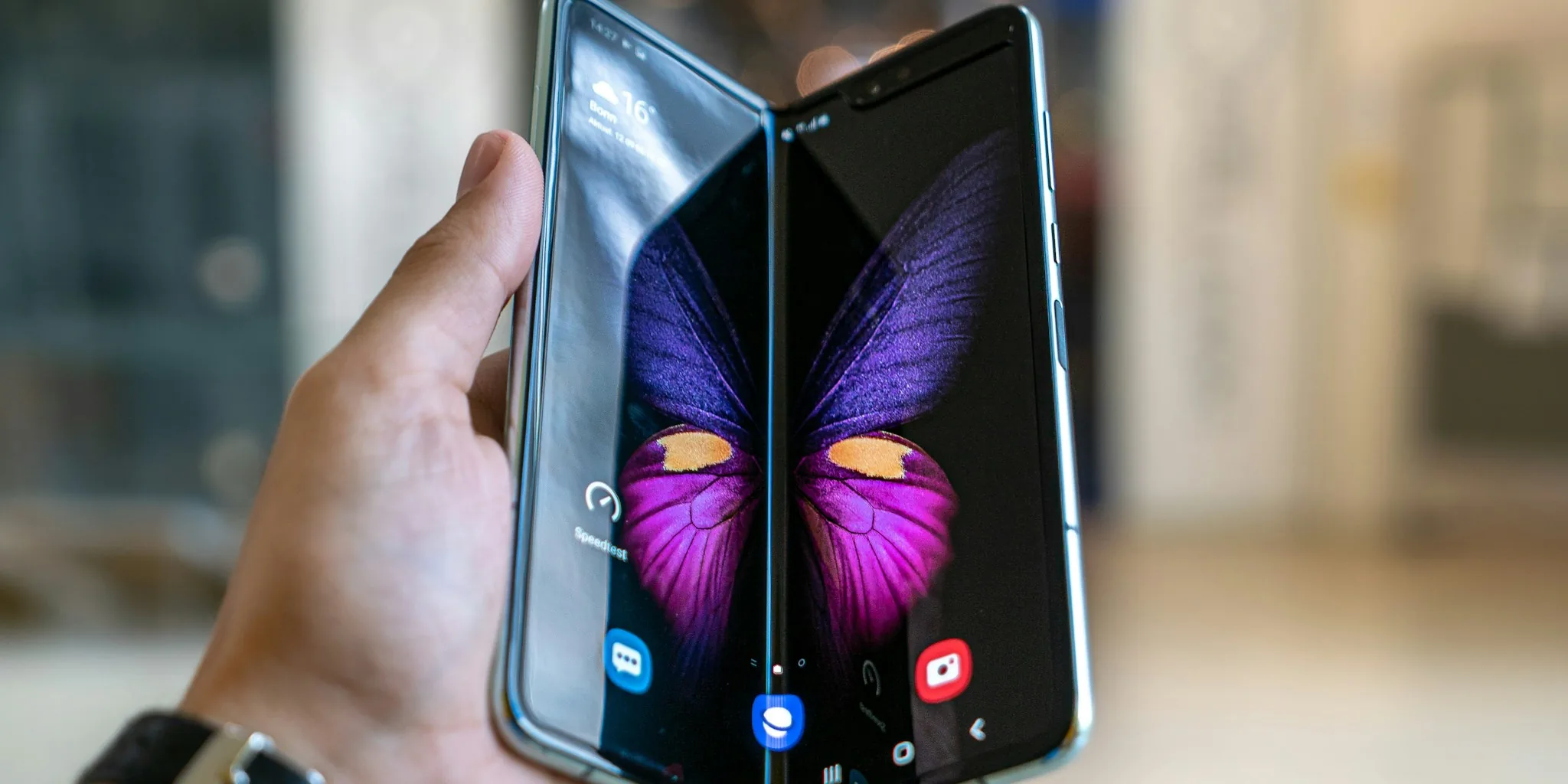
Apple’s highly anticipated iPhone Duo foldable phone is finally arriving in shoppers’ hands, but early adopters should brace themselves for a reality that comes with being at the front of a new technology wave: many third-party apps won’t initially display properly on the device’s unique dual-screen format.
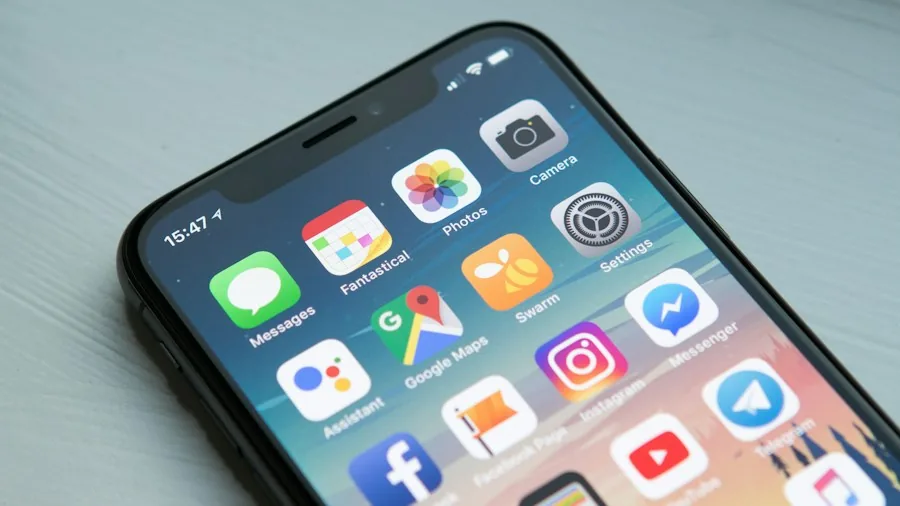
The iPhone Duo features two displays with distinct purposes: a compact outer screen for everyday use and a larger inner screen for expanded viewing. While Apple’s own native apps are already optimized for these dimensions, popular third-party applications like Instagram and many others are showing significant display issues, with awkward empty spaces and poor scaling across the Duo’s unconventional screen ratios.
Why Apps Are Struggling With the New Format
The challenge facing developers is substantial. When users open and close a foldable device, applications must perform complex adjustments, instantly switching between internal and external displays while simultaneously expanding or contracting the viewing window and reorganizing all visual elements. This represents a fundamentally different challenge than what app makers have previously encountered.
The good news is that history suggests improvement is coming relatively quickly. When the original Samsung Galaxy Fold launched in early 2019, it faced identical problems. Apps appeared squashed and improperly formatted on the larger inner display. However, over the following years, both Android and foldable manufacturers developed better software solutions to accommodate flexible screens, and most applications now display correctly on comparable Samsung and Google foldable devices.
Apple’s Structural Advantage
The iPhone Duo actually benefits from a design feature that could accelerate app updates across the board. Both the outer display and the larger inner display share the same aspect ratio, meaning developers only need to create one optimized app size that works flawlessly on both screens. This contrasts sharply with competing foldables from Samsung and Google, where the outer and inner screens have vastly different proportions, requiring developers to design multiple versions.
Additionally, the iPhone Duo benefits from Apple’s established relationships with major app developers. Because these partnerships often result in apps launching on iOS before moving to Android platforms, Apple has significant influence in encouraging rapid optimization. The company will likely work closely with software partners to ensure they leverage the Duo’s proportions effectively from the outset.
Learning From Past Device Transitions
The smartphone industry has weathered major display transitions before. When the iPhone X introduced an all-glass front panel and the distinctive notch at the top in 2017, many smartphone apps initially struggled to adapt. Users saw black bars above and below improperly optimized apps as developers scrambled to adjust their designs. Eventually, through software updates and developer effort, the ecosystem adapted entirely.
The path forward will follow a similar trajectory. Early iPhone Duo owners will experience some display awkwardness initially, but updates will arrive progressively as developers prioritize optimization. This growing pain is a natural part of adopting cutting-edge hardware technology.
Timeline Expectations Remain Uncertain
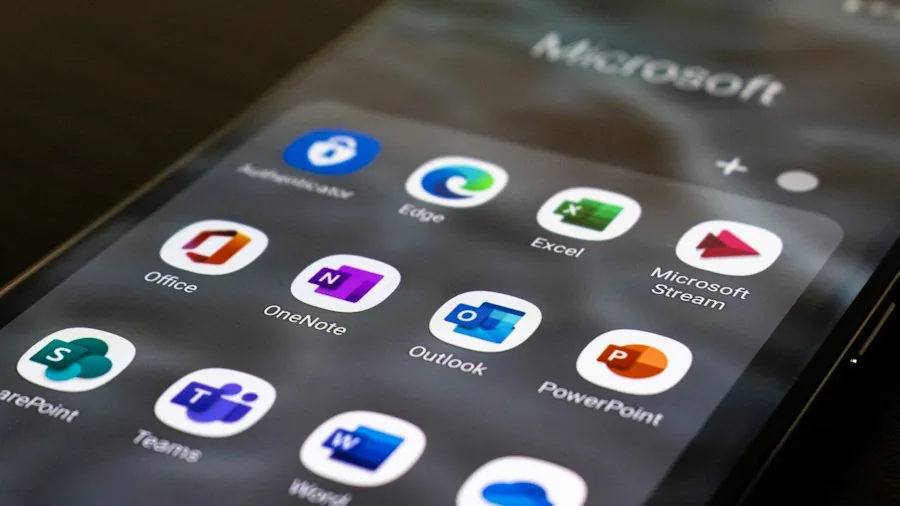
Predicting exactly when major apps will receive their optimization updates is challenging. As one reference point, Instagram did not release a native iPad application until approximately 15 years after the iPad’s initial launch, demonstrating that large app makers can move at their own pace. However, developers today have substantially more tools and resources for adapting to flexible displays than were available during the first generation of Android foldables.
The original Galaxy Fold’s struggles are instructive here. Native apps could be sluggish to load in those early days, while third-party applications struggled significantly to accommodate the folding screen’s demands. Some were barely functional. Now, most iPhone accessories and complementary apps have been designed with foldable considerations in mind, thanks partly to years of Google software updates specifically addressing flexible display technology.
What This Means for Your Purchase Decision
Potential buyers should understand that purchasing an iPhone Duo represents an early-adopter commitment. The device itself is exceptionally well-engineered, featuring a minimal crease, a smooth and apparently durable hinge, internal software specifically suited to a folding screen with intuitive animations, and IP68 dust and water resistance. These qualities represent genuine advantages over the first-generation Android foldables that faced hardware challenges years ago.
What you’re signing up for is a brief window during which your favorite apps may not display optimally. This isn’t a permanent condition but rather a transitional phase that should resolve as developers update their applications. Users investing in the iPhone ecosystem have consistently benefited from rapid software improvements and developer support.
The iPhone Duo launch represents a significant milestone for mainstream foldable technology in the United States, and early adopters can take comfort in knowing that app optimization challenges are temporary and expected. Within months, the vast majority of commonly used applications should display beautifully across both screens, making the Duo’s innovative form factor fully realized.
About the author
Eleanor covers smartphones for REMOVU, balancing cameras, battery life, and software support against price. She helps readers find the best value as the field shifts with every release.