Motorola Razr Flex 27 Launch: What Shoppers Should Know About a New Foldable Competitor
Leak confirms Razr Flex 27 specs and name. Could it be the affordable foldable shoppers want?
 By Eleanor Garcia
Updated October 19, 2026
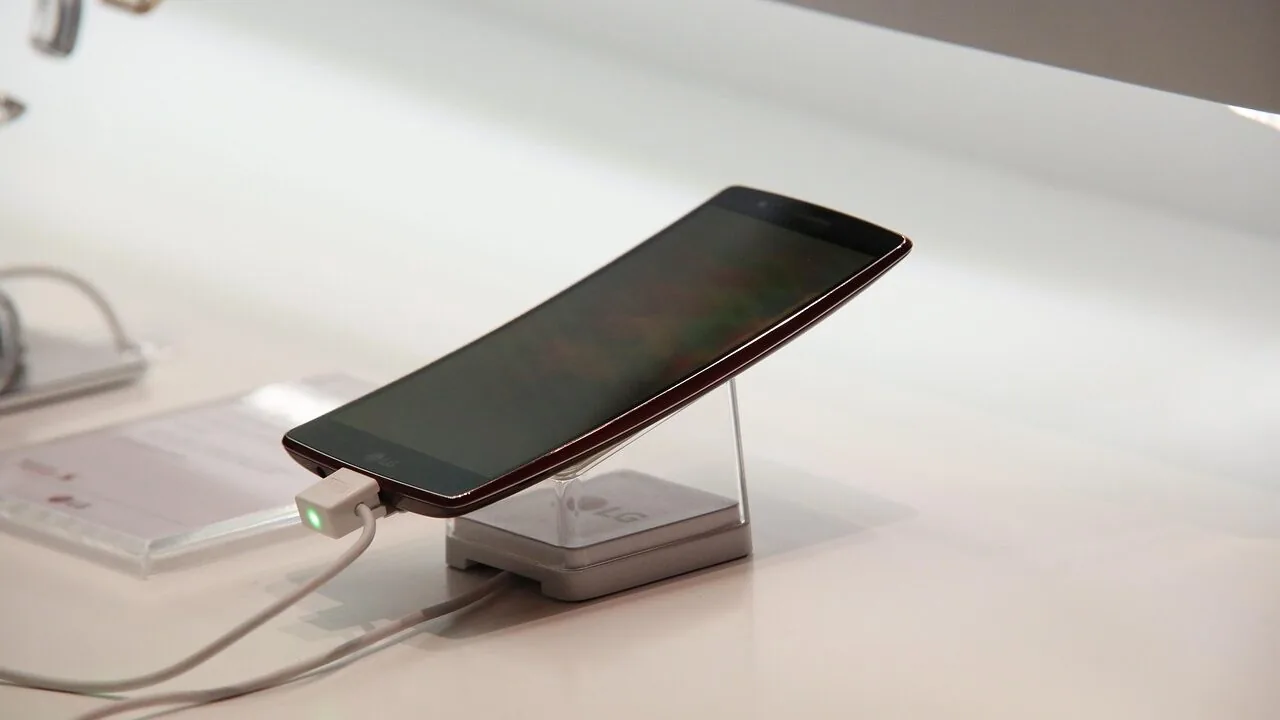
The foldable smartphone market is about to get more crowded. Motorola is preparing to enter the passport-style foldable category with a device that could reshape how consumers think about pricing for these premium devices. Recent leaks and benchmark data have revealed key details about the upcoming Motorola Razr Flex 27, a phone designed to compete directly with Apple’s iPhone Duo and Samsung’s Galaxy Z Fold 8.
What Is the Razr Flex 27?
Motorola’s upcoming foldable represents the company’s first serious entry into the passport-style segment. The device has been confirmed through Geekbench benchmark results, which revealed the phone’s name and core specifications. This confirmation follows official teasers and earlier leaks, suggesting an official announcement could arrive by mid-December.
The Razr Flex 27 is designed as a direct alternative to larger, more expensive competitors. Rather than attempting to match the top-tier specifications of flagship foldables, Motorola appears to be positioning this device as an affordable gateway into the smartphone foldable category.
Key Specifications and Performance

The Geekbench results confirm the Razr Flex 27 will be powered by the Snapdragon 8 Gen 5 chipset paired with 12GB of RAM and running Android 17. The device recorded benchmark scores of 2,669 in single-core performance and 8,837 in multi-core testing. Storage capacity is expected to come in a single 256GB configuration.
Battery capacity should reach 5,000 mAh with support for Qi2 wireless charging at speeds up to 25W. The device will feature dual 50MP rear cameras alongside two 32MP front-facing cameras for video calls and selfies on both displays. Durability ratings of IP48 and IP49 suggest solid protection against dust and water.
Display Specifications That Matter
One of the Razr Flex 27’s defining features is its display configuration. The inner foldable screen measures 6.92 inches with a resolution of 2,364 by 1,728 pixels and a 165Hz refresh rate for smooth scrolling. The outer cover display is smaller at 4.97 inches with 1,140 by 1,736 pixels resolution.
This size combination matters significantly for consumers. The inner display is slightly smaller than the 7.6-inch screens found on both the iPhone Duo and Galaxy Z Fold 8. However, it remains sufficiently large for productive work and entertainment. The outer screen is comparable to competitors, measuring between the iPhone Duo’s 5.4-inch and Galaxy Z Fold 8’s 5.5-inch cover displays.
Pricing and Affordability
The most compelling aspect of the Razr Flex 27 for many shoppers is likely to be its expected price. The iPhone Duo starts at $1,999, while the Galaxy Z Fold 8 begins at $1,899. Industry expectations suggest the Motorola device will command a significantly lower price point given its more modest processor and memory configuration.
For consumers interested in foldable technology but hesitant about flagship pricing, this represents a meaningful opportunity. The gap between standard smartphone costs and premium foldables has been a major barrier to mainstream adoption. A more affordable option could accelerate foldable popularity among everyday users.
Design and Color Options
Motorola plans to offer the Razr Flex 27 in distinctive colorways that emphasize individuality. Leaked renders show the device in Pantone Coriander, a neutral earthy tone, and Pantone Dark Botanical Garden, a rich forest green. These refined color choices suggest Motorola is positioning the device as stylish and aspirational, not merely budget-conscious.
The color strategy could appeal to consumers who view their phone as a personal expression rather than just a tool. This approach differs from the more conservative palette typical of flagship devices.
What This Means for Shoppers
The arrival of a more affordable foldable option addresses a genuine market need. Passport-style foldables represent the future direction for premium smartphones, yet their high prices have limited them to early adopters and professionals willing to invest heavily. The Razr Flex 27 could democratize access to this technology.
Consumers shopping for foldables now face three distinct market tiers rather than just two. If Motorola prices aggressively, existing iPhone Duo and Galaxy Z Fold 8 owners might face stronger resale competition. Meanwhile, shoppers with moderate budgets finally have a serious alternative to either accepting lower-end traditional phones or stretching for flagship foldable pricing.
The specifications suggest practical compromises rather than severe cutbacks. The Snapdragon 8 Gen 5 remains a capable processor suitable for everyday use and gaming. The 165Hz inner display refresh rate matches or exceeds what most users notice in practical scenarios. Battery capacity is competitive with existing foldables.
Motorola’s strategy appears sound: create a functional foldable experience for consumers who want the form factor and versatility without premium flagship pricing. This approach could drive broader foldable adoption across price-conscious markets. Whether the company executes successfully on build quality, software optimization, and supply chain management remains to be seen, but the product positioning and specifications suggest a thoughtful market entry designed to expand the total addressable market rather than simply compete for existing flagship customers.
About the author
Eleanor covers smartphones for REMOVU, balancing cameras, battery life, and software support against price. She helps readers find the best value as the field shifts with every release.