Xbox Helix Job Posting Signals Major Shift Toward Physical Games Support
New job posting suggests Microsoft will continue supporting physical game releases for the next-gen Xbox console.
 By Serenity Richards
Updated October 18, 2026
By Serenity Richards
Updated October 18, 2026
Microsoft has made a significant move that could reshape the future of console gaming. The company recently posted a job opening for an Xbox Games Supply Strategist with a focus on physical game distribution, signaling that the company may be planning to support disc-based or alternative physical formats for its upcoming next-generation console, codenamed Helix.
This development comes at a critical moment in the gaming industry. Sony announced that the PlayStation 6 will abandon physical media entirely, moving to a fully digital-only model. In contrast, Microsoft appears to be positioning Xbox as the consumer-friendly alternative that respects ownership and player choice.
What the Job Posting Reveals
The newly advertised position includes responsibilities for overseeing the launch of physical Xbox game releases, managing global distribution networks, coordinating inventory planning, and handling retail channel operations across all stages of the product lifecycle. The posting emphasizes establishing and maintaining supply chains that are predictable, reliable, and cost-effective.
While the job description does not explicitly mention disc drives or any specific physical format, its existence strongly suggests Microsoft intends to continue supporting tangible game purchases. This represents a direct departure from the industry trend toward all-digital ecosystems and positions Xbox competitively against PlayStation’s controversial decision.
The Broader Context of Gaming Media
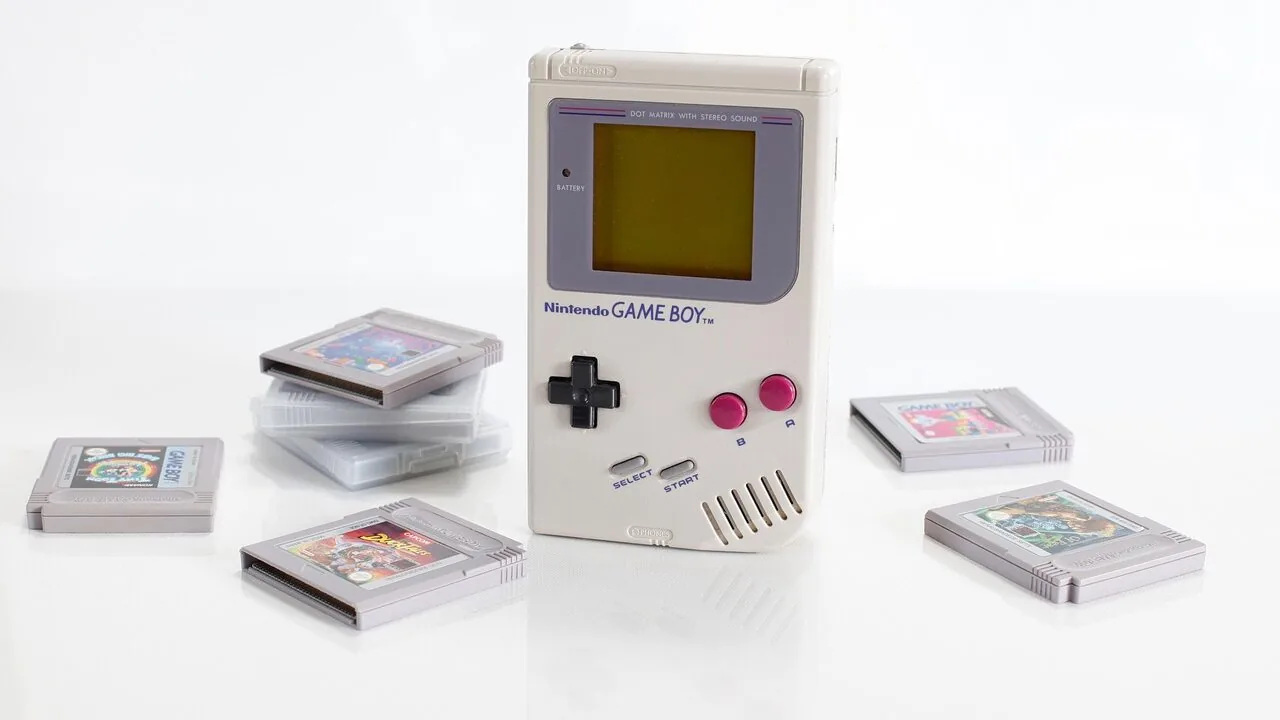
The gaming industry is at a crossroads regarding physical media. With manufacturers shifting away from disc drive production and focusing on emerging technologies, maintaining a viable supply chain for traditional Blu-ray discs would be challenging. However, alternative approaches exist. Nintendo’s Switch platform successfully uses cartridges, and emerging technologies like NFC chips embedded in collectibles could provide other pathways for physical game licensing.
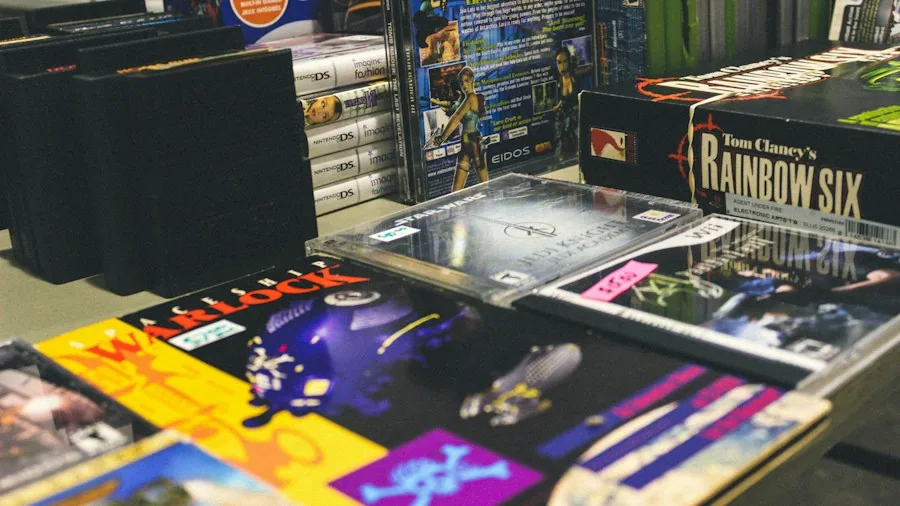
The gaming console landscape has historically relied on physical media as a cornerstone feature, and major retailers continue to stock physical game copies. Across the hobbyist and collector communities, physical ownership remains highly valued for reasons ranging from resale potential to the tangible satisfaction of building a library.
Why This Matters for Shoppers
Microsoft’s apparent commitment to physical games has substantial implications for consumers. Players who prefer owning physical copies rather than licensing digital versions will have a viable option with Xbox Helix. This approach also addresses growing concerns about digital ownership, particularly after Sony’s recent courtroom testimony suggesting that digital purchases do not constitute true ownership.
The company has already demonstrated its willingness to bridge physical and digital through its Disc-to-Digital program, which allows owners of physical Xbox games to receive digital licenses by inserting their discs into current-generation consoles. This program has been well-received by players who value the flexibility of playing their owned games across formats.
Beyond individual player preferences, retail support for physical games creates marketplace competition and alternative distribution channels. This encourages pricing competition and maintains options for consumers who may not have reliable internet connections or who prefer the certainty of physical media ownership.
Market Trends and Consumer Sentiment
While digital gaming dominates in terms of sales volume, recent years have shown surprising resilience in physical media formats. The vinyl record resurgence, growth in 4K Blu-ray sales, and continued demand for physical games among enthusiasts demonstrate that a substantial segment of consumers values tangible media. Xbox accessory communities particularly emphasize the importance of hardware investments and collectors’ value, suggesting that this consumer base would welcome physical format support.
Gaming convenience has shifted significantly toward digital delivery through services like Game Pass, Steam, and mobile platforms. However, the core gaming audience, particularly console hobbyists, has shown consistent attachment to physical ownership. This split in consumer preferences creates an opportunity for Microsoft to differentiate Xbox Helix in the market.
What Comes Next
Microsoft has remained officially silent on Helix’s media format approach. The job posting represents the first concrete evidence that physical game support is under serious consideration. The company may pursue traditional disc technology, alternative formats like cartridges similar to Nintendo’s approach, or proprietary solutions specifically designed for cost-effectiveness.
The decision to prioritize this hire demonstrates that physical games remain a meaningful business opportunity for Microsoft, despite industry-wide pressure to abandon physical media. As console manufacturers prepare next-generation hardware announcements, this Xbox initiative could influence competitive positioning and shape consumer purchasing decisions.
For buyers evaluating next-generation options, this signal from Microsoft provides confidence that console choices will include support for physical media ownership, regardless of which platform suits their preferences and gaming habits.
About the author
Serenity covers home game consoles for REMOVU, weighing performance, exclusive libraries, and the ecosystem each platform locks you into. She helps players pick the console that fits how and what they play.