Liquid Cooling in Qi2 Power Banks: What Buyers Need to Know
Thermal management tech finally makes wireless charging worth it for regular users seeking speed and battery longevity.
 By Adrian Rogers
Updated October 17, 2026
By Adrian Rogers
Updated October 17, 2026
Wireless charging has come a long way, but shoppers have long complained about one persistent problem: heat. Now that Qi2 technology supports faster charging speeds, manufacturers are addressing thermal issues in new ways. A breakthrough approach using liquid cooling in compact power banks is changing how consumers think about wireless charging performance and battery longevity.
Why Thermal Management Matters for Wireless Power Banks
When wireless power banks first entered the market, they delivered charging speeds that felt glacial by today’s standards. More frustrating was the heat buildup. Excessive warmth not only made devices uncomfortable to hold during charging but also triggered thermal throttling, which slowed down phones and degraded battery health over time. For years, many shoppers abandoned wireless charging entirely and returned to traditional wired power banks because the tradeoff wasn’t worth it.
The introduction of Qi2.2 charging promised improvement, offering output up to 25W. Yet the heat problem lingered even with faster speeds. This contradiction created demand for a smarter solution that could maintain high power delivery without the thermal penalty.
How Liquid Cooling Addresses Heat in Wireless Charging
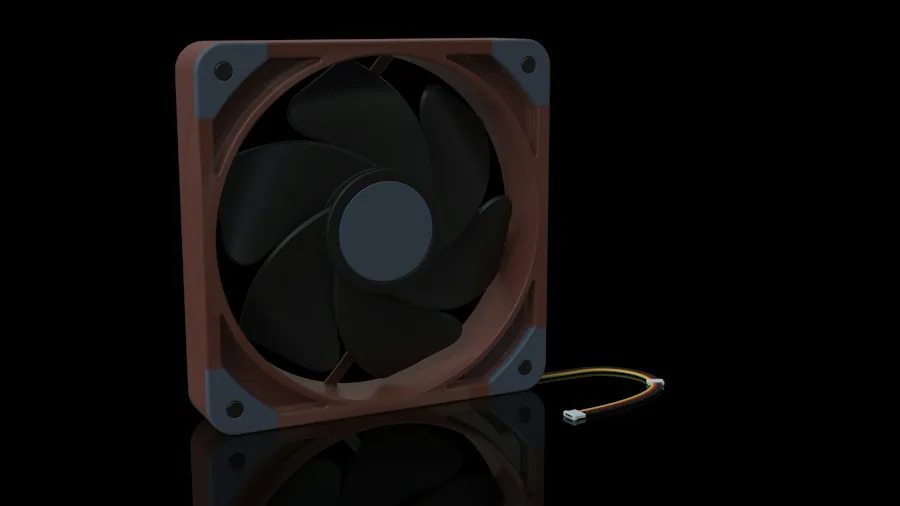
Liquid cooling in modern wireless power banks uses a micro-pump and coolant channels to circulate liquid alongside a copper vapor chamber. The system pulls heat away from the wireless charging coil, keeping the power bank’s internal components at safer temperatures even during extended charging sessions. This allows the device to sustain higher output levels without throttling performance.
For users, the difference is tangible. A comparable Qi2.2 power bank without cooling showed temperature readings between 104 and 106 degrees Fahrenheit during charging, while a liquid-cooled model stayed between 92 and 97 degrees. Those extra 10 degrees might sound minor, but they translate directly to noticeable changes in how warm the power bank feels in your hand and how responsive your phone remains while charging.
One practical advantage is that liquid-cooled power banks perform better over longer use periods. The cooler operating environment helps prevent the thermal throttling that causes charging to slow down after 30 minutes or more of continuous use.
Performance Differences Shoppers Can Expect
Real-world charging speed also benefits from better thermal management. A liquid-cooled 25W power bank charged a newer flagship phone from 5 percent to full in roughly 90 to 110 minutes, while a standard 25W power bank took 130 to 135 minutes. The difference stems from consistent power delivery rather than throttling caused by excessive heat buildup.
Beyond speed, there’s a battery health consideration. Since high temperatures degrade phone batteries faster, using a cooler charging method during wireless power transfer could extend your device’s lifespan. This makes liquid-cooled power banks a smart investment if you regularly rely on wireless charging at home or at the office.
Convenience features matter too. Many liquid-cooled models include small displays showing real-time charging speed, battery percentage, and whether the cooling system is active. An attached USB-C cable that doubles as a lanyard eliminates the need to carry separate cables and makes managing two devices simultaneously much easier.
Is Liquid Cooling Worth the Extra Cost
Liquid-cooled power banks do cost more than standard wireless models with equivalent capacity and output. The question for shoppers becomes whether the performance and longevity benefits justify the higher price.
For anyone who charges wirelessly multiple times per week, the answer leans toward yes. Faster charging times, reduced thermal throttling, and potential improvements to long-term battery health add up over months and years of use. The ability to comfortably use your phone while it charges, rather than letting it sit idle, also increases day-to-day convenience.
For casual users who might charge wirelessly once or twice a week, a standard power bank under $50 might offer sufficient value. The key is matching the device to your actual charging habits and priorities.
What This Means for Future Power Banks
Liquid cooling represents the next evolution in wireless charging technology. As manufacturers continue refining the approach, expect the premium to shrink and the feature to become more common across product lines. Traditional wired power banks remain effective, but adding some form of thermal management should become industry standard as Qi2 and beyond become universal.
For now, shoppers considering a new wireless charger should compare models side by side, paying special attention to published operating temperatures and charging speed sustainability. If wireless charging is central to how you use your devices, a liquid-cooled option from quality power bank brands is worth exploring. The cooler performance and faster charging translate to real improvements in daily experience and device care.
About the author
Adrian writes about power banks for REMOVU, balancing capacity, charging speed, and pocketability for phones and laptops. He helps readers stay topped up without carrying a brick.